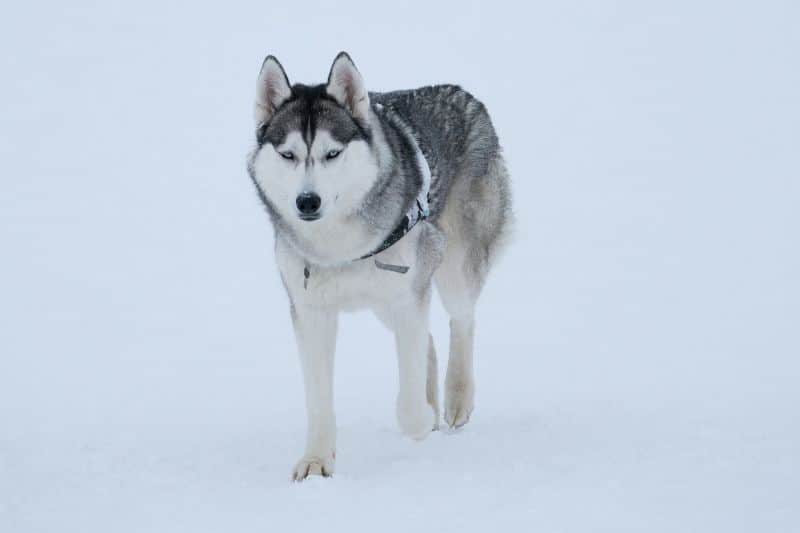
The Siberian Husky is one of the most recognizable dog breeds in the world. Famous for its wolf-like appearance, piercing blue eyes, and endless energy, this breed has won the hearts of active families across the United States. Originally bred to pull sleds across the frozen landscapes of Siberia, Huskies are intelligent working dogs that thrive when given plenty of exercise, mental stimulation, and companionship.
If you’re considering bringing home a Husky puppy—or simply want to learn more about this fascinating breed—this Siberian Husky Complete Guide covers everything you need to know. From personality and history to grooming needs and ownership expectations, you’ll discover whether this energetic breed is the perfect fit for your lifestyle.
Unlike family-oriented breeds such as the Labrador Retriever or highly obedient working dogs like the German Shepherd, the Siberian Husky combines remarkable athleticism with an independent streak that makes ownership both rewarding and challenging. Understanding these unique traits before adopting one is essential for long-term success.
Quick Breed Overview
| Characteristic | Details |
|---|---|
| Breed Group | Working Group |
| Origin | Siberia, Russia |
| Purpose | Sled pulling, transportation, companionship |
| Height | 20–24 inches |
| Weight | 35–60 lbs |
| Life Expectancy | 12–15 years |
| Coat Type | Thick double coat |
| Shedding | Very High |
| Energy Level | Extremely High |
| Trainability | Moderate |
| Good With Children | Excellent |
| Good With Other Dogs | Excellent |
| Apartment Friendly | Only with extensive daily exercise |
| Climate Preference | Cold weather |
| Barking | Low |
| Howling | Frequent |
| AKC Recognition | Yes |
The Siberian Husky is recognized by the American Kennel Club (AKC) as a member of the Working Group. If you’re interested in official breed standards, appearance requirements, and temperament expectations, the American Kennel Club’s Siberian Husky breed standard is an excellent resource.
Key Characteristics
Energy Level ⭐⭐⭐⭐⭐
Siberian Huskies are among the most energetic dog breeds. Originally developed to run dozens of miles while pulling sleds, they still possess incredible stamina today. Daily physical activity isn’t optional—it’s essential.
Without enough exercise, Huskies often invent their own entertainment, which may include digging, escaping the yard, or chewing furniture.
Trainability ⭐⭐⭐⭐☆
Huskies are exceptionally intelligent but don’t always aim to please. Unlike breeds that naturally seek human approval, Huskies often evaluate whether following a command benefits them.
Positive reinforcement, patience, and consistency produce the best results.
Friendliness ⭐⭐⭐⭐⭐
The Siberian Husky is famous for its friendly personality.
Most Huskies:
- Welcome strangers
- Love meeting new people
- Get along with children
- Enjoy playing with other dogs
Because of this outgoing nature, Huskies rarely make effective guard dogs.
Shedding ⭐⭐⭐⭐⭐
Few breeds shed as heavily as the Siberian Husky.
They experience seasonal “coat blowing” twice a year, during which large amounts of undercoat are shed over several weeks.
Regular brushing is necessary to keep loose fur under control. Choosing one of the Best Dog Brushes designed for double-coated breeds can dramatically reduce hair around your home while keeping your Husky’s coat healthy.
Intelligence ⭐⭐⭐⭐☆
Huskies learn quickly and solve problems exceptionally well.
Unfortunately, they often use that intelligence to:
- Open gates
- Escape fenced yards
- Figure out puzzle toys rapidly
- Outsmart inexperienced owners
Mental enrichment is just as important as physical exercise.
Affection ⭐⭐⭐⭐☆
While Huskies enjoy spending time with their families, they tend to be less clingy than breeds like the Golden Retriever. Most enjoy affection on their own terms while maintaining an independent personality.
Breed History
The Siberian Husky has one of the oldest and most fascinating histories of any modern dog breed.
More than 3,000 years ago, the Chukchi people of northeastern Siberia selectively bred these dogs to transport supplies across frozen terrain while conserving energy. Unlike larger sled dogs, Huskies were developed to travel long distances efficiently rather than pull extremely heavy loads.
Because the Chukchi depended on their dogs for survival, they emphasized qualities such as endurance, intelligence, resilience, and a gentle temperament. Huskies weren’t just working animals—they were trusted members of the family and often slept alongside children to provide warmth during harsh Arctic winters.
In the early 1900s, Siberian Huskies were brought to Alaska during the Nome Gold Rush, where they quickly gained recognition in long-distance sled racing. Their speed and endurance consistently outperformed larger sled dogs, making them highly sought after throughout North America.
The breed’s most famous historical moment came during the 1925 serum run to Nome, Alaska. Teams of sled dogs transported life-saving diphtheria antitoxin across nearly 700 miles of dangerous winter conditions. While Balto became widely celebrated for completing the final leg, another remarkable Husky named Togo actually covered the longest and most challenging portion of the journey, cementing the breed’s reputation for courage and determination.
Today, Siberian Huskies remain beloved companions across the United States. Although most no longer pull sleds professionally, many excel in activities such as skijoring, bikejoring, canicross, agility, hiking, and recreational sledding.
Their athletic heritage still influences their personality, making them happiest when given opportunities to run, explore, and work alongside their owners.
Temperament & Personality
The Siberian Husky is often described as a dog with the heart of an adventurer. Friendly, curious, energetic, and playful, Huskies thrive in active households where they receive plenty of interaction and exercise.
Their personalities are remarkably different from many traditional family breeds, which makes understanding their temperament especially important before bringing one home.
Loyal Without Being Possessive
Huskies form deep bonds with their families but usually aren’t overly protective.
Instead of guarding their home, many Huskies enthusiastically greet visitors with wagging tails and excitement.
If you’re looking for a watchdog, breeds such as the German Shepherd or Rottweiler are generally better suited for protective roles.
Excellent Family Dogs
With proper training and supervision, Siberian Huskies make wonderful companions for families.
They typically:
- Love children
- Enjoy group activities
- Thrive on companionship
- Prefer being involved in daily life
Because they’re highly social, Huskies dislike being left alone for long periods.
Separation anxiety and destructive behavior may develop if they don’t receive sufficient attention.
Great With Other Dogs
Since Huskies historically worked in sled teams, they naturally enjoy canine companionship.
Many Huskies:
- Prefer living with another dog
- Enjoy dog parks
- Love group play
- Adapt well to multi-dog households
Early socialization further strengthens these natural tendencies.
High Prey Drive
One important consideration is the Husky’s instinct to chase.
They may pursue:
- Rabbits
- Squirrels
- Cats
- Birds
- Small pets
Even well-trained Huskies should remain on a leash in unfenced areas because their prey drive can override obedience.
Independent Thinkers
Unlike eager-to-please breeds, Huskies constantly evaluate situations independently.
Owners often notice behaviors like:
- Ignoring commands they’ve already learned
- Choosing exploration over recall
- Testing household rules
- Looking for opportunities to escape
This isn’t stubbornness in the traditional sense—it’s a reflection of centuries of selective breeding for dogs capable of making decisions while traveling far ahead of sled teams.
Vocal Communicators
Instead of barking excessively, Huskies communicate through:
- Talking
- Whining
- Howling
- Unique vocal sounds
Many owners enjoy these conversations, although neighbors in apartments may not always share the enthusiasm.
Endless Curiosity
Everything interests a Siberian Husky.
They love investigating:
- New trails
- Snow
- Water
- Wildlife scents
- Moving objects
This curiosity makes them wonderful hiking companions but also talented escape artists.
A secure fence at least six feet tall with reinforced digging barriers is strongly recommended.
Emotional Intelligence
Huskies are surprisingly perceptive and often recognize changes in their owner’s mood.
Although they aren’t typically considered emotional support dogs, many owners report that their Huskies instinctively offer companionship during stressful times through playful interactions or quiet presence.
Living With a Husky
Owning a Siberian Husky is less about having a pet and more about embracing an active lifestyle. They flourish in homes where daily adventures, outdoor activities, and family interaction are part of the routine.
If you enjoy hiking, running, camping, or winter sports, a Husky may become your ideal companion. However, if you prefer a relaxed dog that spends most of the day lounging indoors, a lower-energy breed such as the Bulldog or French Bulldog may be a better match.
Training & Socialization
The Siberian Husky is exceptionally intelligent, but intelligence doesn’t always equal obedience. Unlike breeds bred to work closely with humans, Huskies were developed to make independent decisions while traveling across harsh Arctic terrain. As a result, training requires consistency, patience, and creativity rather than strict discipline.
Owners who understand the breed’s mindset often find training enjoyable and rewarding, while those expecting instant obedience may become frustrated.
Start Training Early
Training should begin as soon as your Husky puppy comes home—typically around 8 weeks of age.
Focus on:
- House training
- Name recognition
- Basic obedience
- Leash walking
- Crate training
- Positive social experiences
Early lessons establish lifelong habits and make future training much easier.
Positive Reinforcement Works Best
Siberian Huskies respond far better to encouragement than punishment.
Reward desired behaviors with:
- Small training treats
- Praise
- Favorite toys
- Play sessions
Harsh corrections often cause Huskies to lose trust or simply ignore their owner.
Keep sessions short—10 to 15 minutes is usually enough to hold their attention.
Socialization is Essential
Expose your Husky to a wide variety of experiences during puppyhood.
Introduce them to:
- Children of different ages
- Adults wearing hats, uniforms, or sunglasses
- Friendly dogs
- Cats (when possible)
- Car rides
- Busy parks
- Outdoor cafés
- Veterinary clinics
- Grooming salons
Well-socialized Huskies grow into confident, adaptable companions who are comfortable in new environments.
Recall Training Requires Extra Practice
One of the biggest challenges for Husky owners is teaching reliable recall.
Because of their strong prey drive and love of exploration, many Huskies will ignore a recall command if something more exciting catches their attention.
Practice recall:
- In fenced areas
- Using long training leads
- With high-value treats
- During games of fetch
- Several times each week
Even with excellent training, it’s safest to keep a Husky leashed in unfenced areas.
Mental Exercise Matters Too
A tired Husky isn’t just physically tired—it should also be mentally satisfied.
Excellent enrichment activities include:
- Puzzle feeders
- Scent games
- Hide-and-seek
- Agility training
- Obedience challenges
- Interactive toys
- Learning new tricks
Mental stimulation reduces boredom and destructive behaviors.
Common Training Challenges
New Husky owners often encounter:
- Pulling on the leash
- Jumping on guests
- Digging
- Escaping fences
- Counter surfing
- Selective hearing
- Excessive excitement
Most of these behaviors improve through consistent training, regular exercise, and clear household rules.
Is the Siberian Husky Right for You?
Although Siberian Huskies are beautiful dogs, they aren’t the perfect choice for every family.
Before bringing one home, honestly evaluate your lifestyle.
A Siberian Husky May Be Perfect If You:
✔ Enjoy hiking, running, or outdoor adventures
✔ Can provide 1–2 hours of daily exercise
✔ Have a securely fenced yard
✔ Enjoy training and interactive play
✔ Want a social, outgoing companion
✔ Don’t mind frequent grooming
✔ Have time for daily interaction
A Husky May Not Be the Best Fit If You:
✘ Work long hours away from home
✘ Want an off-leash hiking companion
✘ Prefer a low-energy dog
✘ Dislike dog hair around the house
✘ Need a guard dog
✘ Live in a very small apartment without daily exercise opportunities
✘ Want a dog that always follows commands immediately
Apartment Living
Can Huskies live in apartments?
Yes—but only under the right circumstances.
Apartment owners should provide:
- Two long walks daily
- Off-leash exercise in secure dog parks
- Interactive toys
- Training sessions
- Weekend outdoor adventures
Without sufficient activity, apartment life can quickly become stressful for both the dog and neighbors.
Climate Considerations
Thanks to their dense double coat, Huskies thrive in colder climates.
During hot American summers:
- Walk early morning or evening
- Avoid hot pavement
- Provide constant fresh water
- Offer shaded rest areas
- Never leave them in parked vehicles
Contrary to popular belief, shaving a Husky’s coat can actually make it harder for them to regulate body temperature.
Care & Maintenance
Proper care keeps your Siberian Husky healthy, comfortable, and looking its best.
Although they naturally maintain a relatively clean coat, their heavy shedding means grooming is a year-round responsibility.
Grooming Requirements
Huskies have a weather-resistant double coat consisting of:
- Dense insulating undercoat
- Protective outer guard hairs
This combination protects them from both freezing winters and surprisingly warm temperatures.
Brushing
Brush your Husky:
- 2–3 times per week
- Daily during spring and fall shedding seasons
High-quality grooming tools make this task much easier. Our guide to the Best Dog Brushes explains which slicker brushes, undercoat rakes, and de-shedding tools work best for thick double-coated breeds like the Siberian Husky.
Bathing
Unlike many breeds, Huskies have very little natural dog odor.
Most only require a bath every:
8–12 weeks
unless they become unusually dirty.
Over-bathing strips natural oils and may dry out the skin.
For step-by-step instructions on safely bathing a double-coated breed, check out our Dog Bathing Guide. Pair the process with one of the Best Dog Shampoos formulated for sensitive skin to keep your Husky’s coat soft, healthy, and free from irritation.
Drying After Baths
Because Huskies have an extremely dense undercoat, moisture can become trapped after bathing.
Allowing the coat to stay damp may contribute to:
- Skin irritation
- Hot spots
- Fungal infections
- Unpleasant odors
A high-velocity dryer designed for pets removes moisture far more effectively than household hair dryers. Our guide to the Best Dog Hair Dryers compares top options that help thick-coated breeds dry faster while protecting the coat.
Nail Care
Active Huskies naturally wear down their nails, but regular inspections are still important.
Trim nails approximately every:
3–4 weeks
Long nails can affect posture, reduce traction, and increase the risk of injury.
If you’re shopping for grooming tools, our review of the Best Dog Nail Clippers highlights beginner-friendly options with safety guards and ergonomic designs.
Coat Care Between Grooming Sessions
Although Huskies require less trimming than many long-haired breeds, routine maintenance keeps them comfortable.
Helpful tools include:
- Undercoat rakes
- Slicker brushes
- Grooming gloves
- Shedding combs
If you’re building a complete grooming setup at home, our roundup of the Best Dog Grooming Kits includes everything needed for regular coat maintenance.
For even more seasonal grooming advice, visit our comprehensive Dog Grooming Guide, where you’ll find expert tips on brushing schedules, coat maintenance, and preventing matting throughout the year.
Exercise Requirements
Exercise is the single most important part of Husky ownership.
Most adult Huskies require:
Daily Exercise
- 60–120 minutes every day
Ideal activities include:
- Hiking
- Trail running
- Jogging
- Bikejoring
- Canicross
- Sledding
- Fetch
- Swimming (with supervision)
- Agility courses
A bored Husky quickly becomes a destructive Husky.
Living Environment
The ideal Husky home includes:
- Secure six-foot fencing
- Plenty of room to play
- Air conditioning during summer
- Access to shade
- Family interaction throughout the day
Avoid leaving Huskies outdoors alone for extended periods, as they enjoy companionship just as much as exercise.
Common Health Problems
Siberian Huskies are generally one of the healthier purebred dogs, but they can still develop inherited or age-related conditions.
Responsible breeders screen breeding dogs to reduce the risk of genetic diseases.
Before purchasing a puppy, ask the breeder for health clearances. The Orthopedic Foundation for Animals (OFA) maintains health screening recommendations and a public database of certified test results, making it a valuable resource for verifying responsible breeding practices.
Hip Dysplasia
Although less common than in giant breeds, hip dysplasia can affect Huskies.
Symptoms include:
- Limping
- Difficulty standing
- Reduced activity
- Pain after exercise
Maintaining a healthy weight and regular veterinary checkups can help minimize complications.
Progressive Retinal Atrophy (PRA)
PRA is an inherited eye disease that gradually causes blindness.
Early signs include:
- Night blindness
- Hesitation in dim lighting
- Bumping into objects
Routine veterinary eye examinations are recommended.
Cataracts
Juvenile cataracts may develop in young Huskies.
Modern veterinary surgery often restores vision successfully when appropriate.
Corneal Dystrophy
This inherited eye condition causes cloudy spots on the cornea.
Although many dogs experience few symptoms, veterinary monitoring is recommended.
Zinc-Responsive Dermatosis
Some Huskies have difficulty absorbing dietary zinc.
Signs include:
- Crusty skin
- Hair loss
- Thickened skin around the nose
- Footpad problems
A veterinarian may recommend dietary adjustments or zinc supplementation.
If your dog develops recurring itching, redness, or skin irritation, our Dog Skin Care Guide explains common causes and preventive care strategies for maintaining healthy skin throughout the year.
Allergies
Like many breeds, Huskies may experience:
- Environmental allergies
- Food sensitivities
- Seasonal allergies
Common symptoms include:
- Excessive scratching
- Ear infections
- Paw licking
- Red skin
Our Dog Allergy Guide helps owners recognize allergy symptoms early and discusses ways to reduce common triggers in the home.
Preventive Healthcare
Schedule routine veterinary visits:
- Annually for healthy adults
- Twice yearly for senior dogs
Stay current on:
- Vaccinations
- Parasite prevention
- Dental care
- Weight monitoring
- Annual bloodwork (when recommended)
Preventive care is almost always less expensive than treating advanced disease.
Diet & Nutrition
Nutrition plays a major role in your Siberian Husky’s energy levels, coat quality, muscle development, and long-term health.
Because Huskies are naturally athletic, they benefit from high-quality, balanced diets that meet AAFCO nutritional standards.
The Association of American Feed Control Officials (AAFCO) establishes nutritional profiles used by reputable pet food manufacturers. Choosing foods that meet AAFCO nutrient standards helps ensure your Husky receives complete and balanced nutrition for its life stage.
What Should a Siberian Husky Eat?
Choose a food with:
- Real meat as the first ingredient
- Healthy fats for skin and coat
- Balanced carbohydrates
- Omega-3 and Omega-6 fatty acids
- Vitamins and minerals
- No unnecessary fillers
Our Best Dog Foods guide compares top-rated formulas available in the US, making it easier to choose the right diet for Husky puppies, active adults, and senior dogs.
Feeding Schedule
Puppies (2–6 months)
3–4 meals daily
Young Adults (6–12 months)
2–3 meals daily
Adults
2 meals daily
Fresh, clean water should always be available, especially after exercise or during warm weather.
Portion Guide
Daily food intake depends on:
- Age
- Weight
- Activity level
- Metabolism
- Food calorie density
A highly active Husky that enjoys hiking or dog sports typically requires more calories than one with a sedentary lifestyle. Always follow your veterinarian’s guidance and the feeding recommendations on your chosen dog food.
Price & Cost of Owning a Siberian Husky (US)
Before bringing home a Siberian Husky, it’s important to understand both the initial purchase price and the ongoing costs of responsible ownership. While Huskies are not the most expensive breed to purchase, their grooming, nutrition, veterinary care, and exercise needs can add up over time.
Initial Purchase Price
| Source | Typical Cost (USD) |
|---|---|
| Reputable Breeder | $800–$2,500 |
| Show-Quality Bloodline | $2,500–$4,500+ |
| Rescue or Adoption | $150–$500 |
A responsible breeder should provide:
- Health screening documentation
- Vaccination records
- AKC registration (if applicable)
- Genetic testing information
- Puppy health guarantee
Avoid purchasing puppies from puppy mills or sellers unwilling to answer questions or provide health records.
First-Year Expenses
| Expense | Estimated Cost |
|---|---|
| Purchase/Adoption | $150–$2,500+ |
| Initial Veterinary Care | $250–$600 |
| Vaccinations | $100–$250 |
| Spay/Neuter | $250–$600 |
| Crate & Bed | $150–$300 |
| Food & Treats | $500–$900 |
| Toys | $150–$300 |
| Grooming Supplies | $150–$350 |
| Training Classes | $150–$500 |
| Pet Insurance | $300–$700 |
Estimated First-Year Total:
$2,000–$6,000+
Annual Ownership Costs
After the first year, most owners spend approximately:
| Category | Annual Cost |
|---|---|
| Food | $600–$1,000 |
| Veterinary Care | $300–$800 |
| Flea, Tick & Heartworm Prevention | $200–$450 |
| Grooming Supplies | $100–$250 |
| Toys & Accessories | $100–$300 |
| Pet Insurance | $300–$800 |
Estimated Annual Cost:
$1,600–$3,600
Highly active Huskies participating in dog sports or frequent outdoor adventures may incur additional costs for specialized equipment, travel, and training.
Pros & Cons
Every breed has strengths and challenges. Understanding both will help determine whether a Siberian Husky is the right match for your lifestyle.
Pros
✔ Beautiful wolf-like appearance
✔ Friendly with people
✔ Excellent with children
✔ Usually gets along well with other dogs
✔ Highly intelligent
✔ Athletic and adventurous
✔ Long lifespan
✔ Minimal dog odor
✔ Suitable for active owners
✔ Loyal and entertaining companion
Cons
✘ Heavy shedding throughout the year
✘ Seasonal coat blowouts
✘ Requires extensive daily exercise
✘ Strong prey drive
✘ Difficult recall training
✘ Can be an escape artist
✘ Not an ideal guard dog
✘ May howl frequently
✘ Can become destructive when bored
✘ Independent personality requires patient training
Common Mistakes New Husky Owners Make
Many first-time Husky owners underestimate how much time and commitment this breed requires. Avoiding these common mistakes can lead to a happier relationship and a healthier dog.
1. Underestimating Exercise Needs
A quick walk around the block is rarely enough.
Huskies were bred to travel long distances every day, so inadequate exercise often leads to destructive behaviors, excessive vocalization, or attempts to escape.
2. Letting Them Off-Leash Too Soon
Even well-trained Huskies may chase wildlife or ignore recall commands.
Until recall is exceptionally reliable—and even then in appropriate environments—it’s safest to use a leash or exercise only in securely fenced areas.
3. Ignoring Mental Stimulation
Physical exercise alone isn’t enough.
Puzzle toys, obedience training, scent work, and interactive games help prevent boredom and destructive habits.
4. Choosing the Wrong Fence
Many Huskies are expert climbers and diggers.
A secure fence should ideally:
- Be at least six feet tall
- Extend below ground or include dig barriers
- Have secure gate latches
5. Over-Bathing
Frequent bathing removes natural oils that protect the Husky’s double coat.
Following a proper bathing schedule and using a high-quality dog shampoo helps maintain healthy skin and coat condition.
6. Neglecting Grooming During Shedding Season
During seasonal coat blowouts, loose undercoat accumulates quickly.
Regular brushing reduces:
- Matting
- Hair around the home
- Skin irritation
- Loose undercoat buildup
7. Leaving Them Alone Too Long
Huskies are highly social.
Long periods of isolation may lead to:
- Separation anxiety
- Digging
- Excessive howling
- Destructive chewing
Best Homes for a Siberian Husky
The Siberian Husky isn’t simply looking for a house—it’s looking for a lifestyle.
This breed thrives with owners who enjoy spending time outdoors and consider their dog an active member of the family.
Ideal Owners
- Active families
- Runners
- Hikers
- Campers
- Outdoor enthusiasts
- Multi-dog households
- Experienced dog owners
- Owners with secure yards
Less Suitable For
- Frequent travelers
- Very busy households
- People seeking a low-maintenance dog
- Sedentary lifestyles
- Owners wanting a guard dog
- Families unable to provide daily exercise
If your lifestyle revolves around outdoor adventures, a Siberian Husky can become an incredible lifelong companion.
Frequently Asked Questions
1. Are Siberian Huskies good family dogs?
Yes. Huskies are affectionate, playful, and generally excellent with children when properly trained and supervised.
2. Do Huskies bark a lot?
Not usually. They are better known for howling, “talking,” and making expressive vocal sounds than frequent barking.
3. How much exercise does a Husky need?
Most adult Huskies require 60–120 minutes of exercise every day, along with mental enrichment activities.
4. Are Huskies difficult to train?
They are intelligent but independent. Consistent positive reinforcement and patience are essential for successful training.
5. Do Huskies shed all year?
Yes. They shed moderately year-round and experience heavy seasonal shedding, often called “blowing the coat,” twice each year.
6. Can Siberian Huskies live in hot climates?
Yes, provided owners take precautions such as limiting exercise during peak heat, ensuring access to shade and fresh water, and avoiding hot pavement.
7. Are Huskies good with cats?
Some are, especially when raised together from puppyhood. However, their strong prey drive means introductions should always be supervised.
8. How long do Siberian Huskies live?
With proper nutrition, exercise, and veterinary care, most Huskies live 12–15 years.
9. Are Siberian Huskies good for first-time owners?
They can be, but only if new owners are prepared for their exercise needs, grooming requirements, and independent personality.
10. Can Huskies stay home alone?
They can tolerate short periods alone, but they thrive on companionship. Extended isolation often leads to boredom and unwanted behaviors.
Ready to Welcome a Siberian Husky?
The Siberian Husky is much more than a beautiful face. Behind those striking blue eyes is an energetic, intelligent, and adventurous companion that thrives on activity, exploration, and close family bonds.
This breed rewards dedicated owners with years of loyalty, fun, and unforgettable outdoor experiences. However, Huskies are not low-maintenance pets. Their exercise requirements, heavy shedding, and independent nature demand commitment, consistency, and an active lifestyle.
If you can provide daily physical activity, regular grooming, positive training, and plenty of companionship, the Siberian Husky can become one of the most rewarding canine companions you’ll ever own.
Whether you’re planning mountain hikes, snowy adventures, or simply looking for an energetic best friend, a well-cared-for Husky has the heart and spirit to keep up every step of the way.
Continue Exploring SmartPetCareGuide
To help your Siberian Husky live a long, healthy, and happy life, be sure to explore our other expert resources:
- Best Dog Foods — Compare top-rated AAFCO-approved diets for puppies, adults, and senior dogs.
- Best Dog Brushes — Discover the best de-shedding tools for thick double coats.
- Dog Grooming Guide — Learn professional grooming techniques you can use at home.
- Dog Bathing Guide — Step-by-step bathing instructions for every coat type.
- Best Dog Shampoo — Find gentle shampoos that protect sensitive skin.
- Best Dog Grooming Kits — Complete grooming solutions for home use.
- Best Dog Nail Clippers — Safe, easy-to-use nail trimming tools.
- Best Dog Hair Dryers — High-velocity dryers ideal for double-coated breeds.
- Dog Skin Care Guide — Tips for maintaining healthy skin and preventing irritation.
- Dog Allergy Guide — Recognize allergy symptoms and learn how to manage common triggers.
These guides are designed to help you make informed decisions and provide the best possible care for your dog.