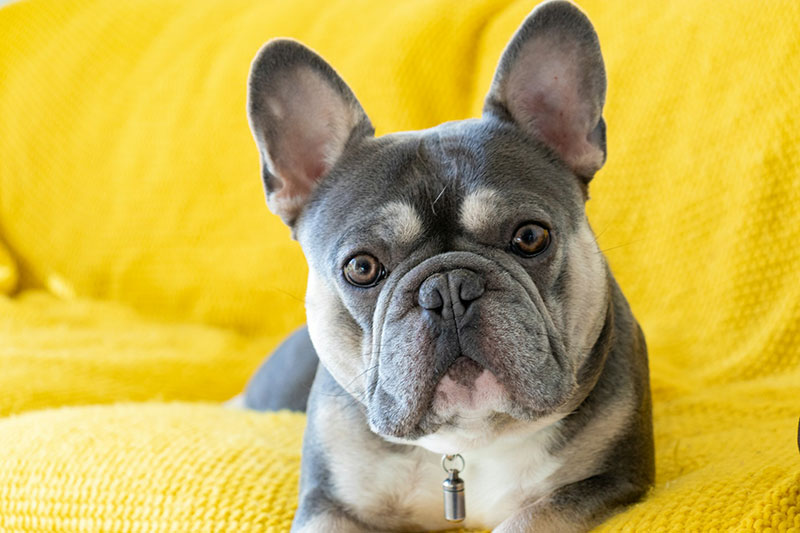
The French Bulldog has become one of America’s most popular dog breeds, and it’s easy to see why. With their distinctive bat-like ears, compact size, affectionate personality, and adaptability to apartment living, Frenchies have won the hearts of families across the United States.
This French Bulldog Guide covers everything you need to know about owning and caring for this charming companion breed, including temperament, training, health concerns, diet, grooming requirements, and ownership costs.
Quick Breed Overview
| Characteristic | Details |
|---|---|
| Origin | France |
| Breed Group | Non-Sporting Group |
| Size | Small |
| Weight | Under 28 lbs |
| Height | 11–13 inches |
| Lifespan | 10–12 years |
| Temperament | Affectionate, Playful, Adaptable |
| Coat Type | Short, Smooth |
| Grooming Needs | Low |
| Exercise Needs | Moderate |
| Family Friendly | Excellent |
| Apartment Friendly | Excellent |
| Good with Children | Yes |
| Good with Other Pets | Usually |
| Trainability | Moderate |
Key Characteristics
Energy Level
French Bulldogs enjoy daily play sessions and short walks but are not high-energy dogs. Unlike a German Shepherd or Golden Retriever, they do not require extensive exercise.
Trainability
Frenchies are intelligent but can be stubborn. Positive reinforcement works best.
Friendliness
They thrive on human companionship and love spending time with their families.
Shedding
Although they have short coats, French Bulldogs shed year-round. Regular brushing helps manage loose hair.
Breed History
Despite their name, French Bulldogs trace part of their ancestry to England. During the Industrial Revolution, lace workers from Nottingham migrated to France, bringing small Bulldogs with them.
These smaller Bulldogs were bred with local companion dogs, eventually developing into the French Bulldog we know today. Their distinctive bat ears became a defining characteristic and helped separate them from traditional Bulldogs.
By the late 1800s, French Bulldogs had gained popularity among artists, socialites, and wealthy families throughout Europe and eventually the United States.
Today, they consistently rank among the most popular dog breeds in America due to their affectionate nature and adaptability.
Temperament & Personality
One of the biggest reasons for the breed’s popularity is its wonderful personality.
French Bulldogs are:
- Affectionate
- Loyal
- Playful
- Adaptable
- Social
- Entertaining
They love being near their owners and often follow family members from room to room. Unlike some independent breeds, Frenchies crave companionship and can become unhappy if left alone for long periods.
With Families
French Bulldogs are excellent family dogs. They form strong bonds with both adults and children and generally enjoy participating in family activities.
With Kids
Their patient and playful nature makes them great companions for respectful children. Supervision is always recommended with young kids.
With Other Pets
Most French Bulldogs get along well with other dogs and cats when properly socialized.
Intelligence
While not as eager to work as a German Shepherd or as obedient as a Golden Retriever, French Bulldogs are smart enough to learn commands, tricks, and household routines.
Training & Socialization
French Bulldogs benefit greatly from early socialization and consistent training.
Start Early
Introduce your puppy to:
- New people
- Different environments
- Other dogs
- Household sounds
- Car rides
Early experiences help build confidence and reduce anxiety later in life.
Positive Reinforcement
French Bulldogs respond best to:
- Treat rewards
- Praise
- Toys
- Short training sessions
Harsh corrections often lead to resistance.
Potty Training
Housebreaking may take longer than with some breeds. Consistency and patience are essential.
Crate Training
Crates provide a safe space and can help with house training and preventing destructive behavior.
Is This Breed Right for You?
French Bulldogs are ideal for many households, but not every lifestyle.
Great Choice If You:
✔ Live in an apartment or condo
✔ Want a low-exercise companion
✔ Work from home
✔ Prefer a small dog
✔ Enjoy spending lots of time with your pet
✔ Want a family-friendly breed
May Not Be Ideal If You:
✘ Spend long hours away from home
✘ Want a jogging partner
✘ Prefer an independent dog
✘ Live in extremely hot climates without air conditioning
Care & Maintenance
Grooming
Weekly grooming should include:
- Brushing the coat: Using the right brush helps remove loose hair while keeping the coat healthy. Check out our Best Dog Brushes guide to find the best option for short-coated breeds like the French Bulldog.
- Cleaning facial folds: Use a gentle, dog-specific cleanser during bath time. See our Best Dog Shampoo guide for formulas suitable for sensitive skin and short-coated breeds.
- Ear inspections
- Nail trimming: Keeping nails trimmed improves comfort and mobility. Our Best Dog Nail Clippers guide reviews the safest tools for home grooming.
- Dental care
- French Bulldogs are relatively low-maintenance. Wondering how often to bathe your Frenchie? Follow our complete Dog Bathing Guide for step-by-step bathing tips and best practices.
Facial wrinkles should be kept clean and dry to prevent infections. After baths, use one of the pet-safe options featured in our Best Dog Hair Dryers guide to dry your French Bulldog’s short coat comfortably while avoiding excessive heat.
Want everything in one place? Our Best Dog Grooming Kits guide covers complete grooming sets that make routine maintenance easier for French Bulldog owners.
Exercise
French Bulldogs need approximately 30–60 minutes of daily activity.
Good exercise options include:
- Short walks
- Indoor games
- Fetch
- Puzzle toys
Avoid strenuous activity during hot weather.
Living Conditions
French Bulldogs excel in:
- Apartments
- Condos
- Urban environments
- Suburban homes
Because of their short noses, they are highly sensitive to heat and humidity.
Common Health Problems
French Bulldogs are prone to several health issues due to their brachycephalic (flat-faced) structure.
Brachycephalic Airway Syndrome
This condition can make breathing difficult, especially during exercise or hot weather.
Prevention
- Maintain healthy weight
- Avoid overheating
- Use a harness instead of a collar
Hip Dysplasia
This orthopedic condition can affect mobility and comfort.
Allergies
Many French Bulldogs suffer from environmental and food allergies. If your French Bulldog frequently scratches, licks its paws, or develops skin irritation, our Dog Allergy Guide explains common causes, symptoms, and management strategies.
Skin Fold Infections
Moisture trapped in facial wrinkles can lead to irritation and infection. Healthy skin starts with proper daily care. Read our Dog Skin Care Guide to learn how to prevent irritation, dryness, and skin infections in dogs.
Intervertebral Disc Disease (IVDD)
French Bulldogs may develop spinal issues that can affect mobility.
Eye Problems
Common concerns include:
- Cherry eye
- Cataracts
- Corneal ulcers
Regular veterinary visits are essential for early detection and treatment.
Diet & Nutrition
Proper nutrition plays a major role in maintaining a healthy French Bulldog. Not sure which diet is best? Explore our Best Dog Foods guide to compare high-quality formulas for French Bulldogs and other small breeds.
Recommended Food
Choose high-quality, AAFCO-approved dog food that contains:
- Quality animal protein
- Healthy fats
- Essential vitamins
- Omega fatty acids
Popular US brands include:
Feeding Schedule
Puppies
3–4 meals daily
Adults
2 meals daily
Portion Sizes
Most adult French Bulldogs require approximately 500–900 calories daily, depending on:
- Age
- Weight
- Activity level
- Health status
Consult your veterinarian for individualized recommendations.
Weight Management
Obesity significantly increases the risk of breathing difficulties and joint problems.
Avoid excessive treats and monitor weight regularly.
Price & Cost in the US
French Bulldogs are among the most expensive dog breeds in America.
Initial Purchase Price
Reputable Breeder
$2,500–$6,000+
Show Quality Bloodlines
$6,000–$10,000+
Adoption
$200–$800
First-Year Expenses
| Expense | Estimated Cost |
| Purchase/Adoption | $200–$6,000+ |
| Supplies | $300–$700 |
| Veterinary Care | $500–$1,200 |
| Food | $400–$900 |
| Training | $150–$600 |
Annual Ownership Cost
Most owners spend approximately:
$1,500–$3,500 per year
depending on healthcare, food quality, and lifestyle.
Pet Insurance
Because French Bulldogs are prone to health issues, pet insurance can be a worthwhile investment.
Pros & Cons
Pros
- Excellent apartment dog
- Affectionate and loving
- Minimal grooming needs
- Good with children
- Adaptable lifestyle
- Quiet compared to many breeds
Cons
- Expensive purchase price
- Heat-sensitive
- Potential breathing issues
- Can be stubborn
- Prone to allergies
- Requires regular wrinkle cleaning
Common Mistakes New Owners Make
Overexercising
French Bulldogs are not endurance athletes. Excessive activity can cause overheating.
Ignoring Weight Gain
Even a few extra pounds can worsen breathing problems.
Skipping Wrinkle Care
Facial folds require regular cleaning.
Leaving Them Alone Too Long
French Bulldogs are companion dogs and can develop separation anxiety.
Buying From Unethical Breeders
Always choose health-tested, reputable breeders.
Best For
French Bulldogs are ideal for:
- Apartment dwellers
- Singles
- Couples
- Families with children
- First-time dog owners
- Seniors
They may not be the best fit for highly active owners seeking a working breed like a German Shepherd or Rottweiler.
Frequently Asked Questions
Are French Bulldogs good family dogs?
Yes. French Bulldogs are affectionate, gentle, and generally excellent with children.
Do French Bulldogs bark a lot?
No. They are relatively quiet compared to many small breeds.
Can French Bulldogs be left alone all day?
No. They prefer companionship and may develop separation anxiety if left alone for extended periods.
How much exercise does a French Bulldog need?
Most French Bulldogs need 30–60 minutes of moderate daily activity.
Are French Bulldogs easy to train?
They are intelligent but sometimes stubborn. Positive reinforcement training works best.
Why are French Bulldogs so expensive?
Their breeding process is often complicated and costly, contributing to their high purchase price.
Related Dog Breed Guides
If you enjoyed this French Bulldog Guide, you may also like:
- Bulldog – Complete Guide
- German Shepherd – Complete Guide
- Golden Retriever – Complete Guide
- Rottweiler – Complete Guide
Each breed offers unique characteristics and lifestyle requirements, making it important to choose a dog that fits your household and activity level.
Final Thoughts
The French Bulldog continues to be one of America’s favorite companion dogs for good reason. Their charming personality, compact size, and loving nature make them excellent pets for families, singles, and apartment dwellers alike.
However, potential owners should understand the breed’s health challenges, grooming needs, and desire for constant companionship. With proper care, nutrition, training, and regular veterinary attention, a French Bulldog can become a loyal and entertaining member of your family for many years.
Looking for more breed guides? Explore our detailed articles on Bulldogs, Golden Retrievers, German Shepherds, and Rottweilers to find the perfect canine companion for your lifestyle.
New to dog ownership? Our comprehensive Dog Grooming Guide walks you through brushing, bathing, nail care, ear cleaning, and other essential grooming routines.