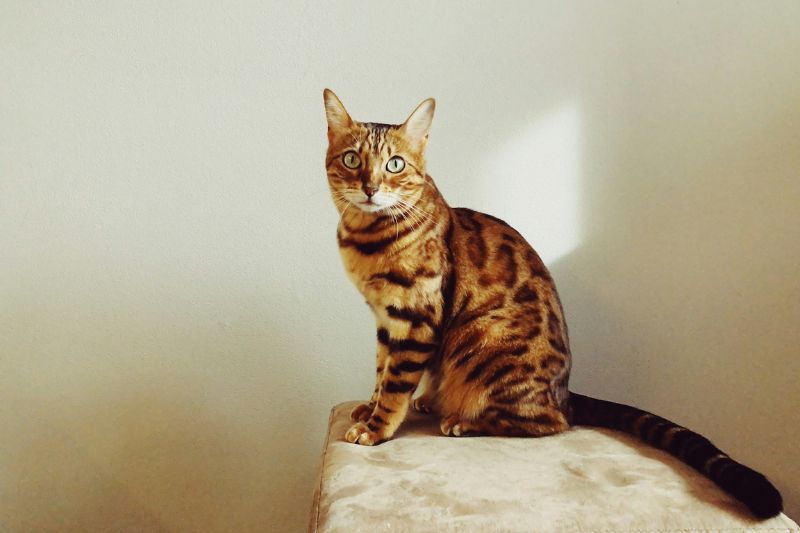
The Bengal Cat is one of the most beautiful, active, and popular cat breeds in the world. Known for its wild-looking spotted coat and playful personality, the Bengal combines exotic beauty with the affectionate nature of a domestic companion. If you’re looking for an intelligent, active, and highly interactive pet, this Bengal Cat Guide will help you understand everything you need to know before bringing one home.
Whether you’re comparing the Bengal to a British Shorthair, a Ragdoll, a Siamese Cat, or a Maine Coon, Bengals stand out for their athleticism, curiosity, and love of adventure. Furthermore, their intelligence and playful nature make them one of the most engaging cat breeds available today.
Quick Breed Overview
| Characteristic | Details |
|---|---|
| Origin | United States |
| Breed Type | Hybrid Domestic Cat |
| Weight | 8–15 lbs |
| Height | 8–10 inches |
| Lifespan | 12–16 years |
| Coat Type | Short, Dense, Silky |
| Colors | Brown, Silver, Snow, Charcoal |
| Temperament | Energetic, Intelligent, Curious |
| Grooming Needs | Low |
| Family Friendly | Yes |
| Child Friendly | Yes |
| Other Pets | Usually |
| Apartment Friendly | Moderately |
| Exercise Needs | High |
Key Characteristics
Energy Level – Very High
Bengal Cats are among the most active cat breeds. They love climbing, running, jumping, and exploring every corner of the house.
Intelligence – Exceptional
Their intelligence is similar to that of many smart dog breeds. Bengals can learn tricks, solve puzzles, and even walk on a leash.
Friendliness – High
While not always lap cats, Bengals form strong bonds with their families and enjoy being involved in daily activities.
Shedding – Low to Moderate
Their short coat sheds less than many other breeds and requires minimal maintenance.
Breed History
The Bengal Cat originated in the United States during the 1960s and 1970s. Breeders crossed domestic cats with the Asian Leopard Cat to create a breed that retained the beautiful wild appearance while maintaining a friendly domestic temperament.
The modern Bengal became recognized by major cat associations in the 1980s and quickly gained popularity due to its unique leopard-like markings and energetic personality.
Unlike some calm breeds such as the British Shorthair, the Bengal was developed to be highly active and interactive. Today, it remains one of the most sought-after exotic-looking cat breeds in America.
Temperament & Personality
The Bengal Cat is often described as having a dog-like personality.
Affectionate but Independent
Bengals enjoy spending time with their owners but generally prefer interactive play over sitting quietly on laps.
Extremely Curious
These cats investigate everything. Cabinets, drawers, shelves, and even doors may become subjects of exploration.
Highly Vocal
Although not as talkative as a Siamese Cat, Bengals frequently communicate through chirps, meows, and trills.
Great with Families
Their playful nature makes them excellent companions for active households with children.
Social and Interactive
In addition, they dislike boredom and need regular mental stimulation.
Because of their energy level, they are usually more demanding than relaxed breeds such as the Ragdoll or British Shorthair.
Training & Socialization
One of the biggest advantages of owning a Bengal is their trainability.
Can Bengals Be Trained?
Absolutely.
Likewise, Bengal owners often teach their cats tricks and commands successfully.
- Sit
- High five
- Fetch
- Come when called
- Leash walking
- Agility exercises
Early Socialization
Expose kittens to:
- Different people
- Household noises
- Other pets
- Visitors
This helps develop confidence and reduces fear-based behaviors.
Mental Stimulation Is Essential
Provide:
- Puzzle feeders
- Cat trees
- Interactive toys
- Window perches
- Rotating play sessions
Without adequate stimulation, Bengals may develop destructive habits.
Is the Bengal Cat Right for You?
Before adopting a Bengal, consider the following checklist.
Good Choice If You:
✔ Want an active and engaging pet
✔ Have time for daily play
✔ Enjoy training animals
✔ Can provide climbing space
✔ Want a unique-looking cat
May Not Be Ideal If You:
✘ Prefer a calm lap cat
✘ Spend long hours away from home
✘ Have limited space and enrichment
✘ Want a low-interaction pet
People seeking a laid-back companion may find a Ragdoll or British Shorthair a better fit.
Care & Maintenance
Grooming
Bengals are surprisingly low maintenance.
Weekly brushing is usually sufficient to:
- Remove loose hair
- Reduce shedding
- Maintain coat shine
Their coats naturally feel soft and silky.
Exercise Requirements
Daily exercise is critical.
Recommended activities:
- Wand toys
- Laser play
- Cat wheels
- Climbing towers
- Fetch games
Interestingly, many Bengals enjoy water, making them unique among cat breeds.
Living Conditions
A Bengal thrives in homes with:
- Vertical climbing spaces
- Interactive toys
- Large windows
- Regular human interaction
Apartment living can work if sufficient exercise and enrichment are provided.
Common Health Problems
Like all breeds, Bengals can be prone to certain health conditions.
Hypertrophic Cardiomyopathy (HCM)
A common heart disease in cats that may be inherited.
Prevention:
- Health-tested breeders
- Regular veterinary exams
Progressive Retinal Atrophy (PRA)
An inherited eye disorder that can lead to vision loss.
Prevention:
- Genetic screening
Patellar Luxation
A kneecap condition affecting mobility.
Prevention:
- Healthy weight maintenance
- Responsible breeding
Gastrointestinal Sensitivities
Some Bengals may experience digestive issues.
Prevention:
- High-quality diet
- Gradual food transitions
Obesity
While uncommon due to their activity level, Bengals can gain weight if under-exercised.
Prevention:
- Daily play
- Portion control
Routine veterinary care remains essential throughout your Bengal’s life.
Diet & Nutrition
Proper nutrition plays a major role in maintaining a healthy Bengal Cat.
Nutritional Requirements
Choose foods meeting AAFCO standards and containing:
- High animal protein
- Moderate fat
- Limited fillers
- Essential vitamins and minerals
Feeding Schedule
Kittens
3–4 meals daily
Adults
2 meals daily
Seniors
Based on veterinary guidance
Recommended US Brands
Popular options include:
Portion Guidelines
Adult Bengals generally consume:
- 200–350 calories daily
Requirements vary according to:
- Weight
- Age
- Activity level
Always consult your veterinarian for personalized recommendations.
Bengal Cat Price & Cost in the US
Initial Purchase Price
Reputable Breeder
$1,500–$4,000+
Show Quality Bengals
$4,000–$10,000+
Adoption
$100–$500
Monthly Expenses
| Expense | Estimated Cost |
| Food | $30–$80 |
| Litter | $15–$40 |
| Toys | $10–$30 |
| Pet Insurance | $20–$60 |
| Miscellaneous | $10–$30 |
Monthly Total
Approximately $85–$240
Annual Cost
Most owners spend between:
$1,000–$3,000 annually
depending on healthcare, insurance, and lifestyle.
Pros & Cons
Pros
- Stunning exotic appearance
- Extremely intelligent
- Trainable
- Affectionate and social
- Low grooming requirements
- Good with active families
Cons
- High energy level
- Can become destructive when bored
- Expensive to purchase
- Needs significant attention
- Highly curious and mischievous
- Not ideal for owners seeking a quiet lap cat
Common Mistakes New Owners Make
Underestimating Their Energy
Many people choose Bengals based solely on appearance without understanding their activity needs.
Not Providing Vertical Space
Bengals love climbing and need cat trees or shelves.
Skipping Mental Enrichment
Without puzzles and interactive toys, boredom becomes a major issue.
Buying from Unethical Breeders
Always request health testing documentation.
Leaving Them Alone Too Often
Bengals love spending time with people and staying involved in family activities.
Best For
The Bengal Cat is best suited for:
Families
Excellent with active children.
Singles
Provides constant companionship and entertainment.
Experienced Cat Owners
Ideal for those familiar with feline behavior.
Active Households
Perfect for owners who enjoy interacting with their pets daily.
Not typically recommended for people wanting the calm temperament often found in a Ragdoll or British Shorthair.
Frequently Asked Questions
Are Bengal Cats good pets?
Yes. Bengal Cats are affectionate, intelligent, and highly interactive companions for active families.
Do Bengal Cats shed a lot?
No. Their short coat sheds relatively little and requires minimal grooming.
Are Bengal Cats legal in all US states?
Most states allow Bengal ownership, though regulations can vary. Always check local laws.
Can Bengal Cats be left alone?
Short periods are fine, but Bengals prefer regular interaction and stimulation.
Do Bengal Cats get along with dogs?
Yes. With proper introductions, Bengals often do very well with cat-friendly dogs.
Are Bengal Cats hypoallergenic?
No cat is truly hypoallergenic, but some allergy sufferers report fewer reactions to Bengals due to their coat type.
Related Cat Breed Guides
If you’re researching cat breeds, you may also enjoy:
The British Shorthair offers a calmer personality, while the Siamese Cat shares the Bengal’s intelligence and vocal nature. If you prefer a large, gentle companion, the Maine Coon is an excellent alternative. For those wanting a relaxed and affectionate lap cat, the Ragdoll remains one of the most popular choices.
Final Thoughts
The Bengal Cat is one of the most exciting and visually stunning feline companions available today. Its combination of intelligence, athleticism, and affectionate behavior makes it an exceptional pet for owners who can provide sufficient attention and enrichment.
This Bengal Cat Guide highlights the breed’s unique needs, personality, and costs so prospective owners can make an informed decision. While Bengals require more engagement than many traditional breeds, their loyalty, beauty, and playful spirit make the extra effort worthwhile. Ultimately, owners who can meet their needs are rewarded with a loving, entertaining, and unforgettable companion.
Ready to learn more about cats? Explore our British Shorthair, Ragdoll, Siamese Cat, and Maine Coon breed guides to find the perfect feline companion for your lifestyle.