Ragdoll cats are one of the most loved cat breeds in the United States, known for their striking blue eyes, silky coats, and calm personality. If you’re looking for a friendly indoor cat that enjoys human companionship, the Ragdoll often tops the list.
This Ragdoll cat breed guide covers everything you need to know — from history and temperament to grooming, health, nutrition, and average prices in the US. Whether you’re considering adopting a kitten or simply researching cat breeds, this guide will help you decide if a Ragdoll is the right match for your family.
Ragdoll Cat Characteristics
Ragdolls are large, affectionate cats with a gentle nature. They are famous for going limp when held, which is where the breed gets its name.
Quick Overview
| Trait | Details |
|---|---|
| Origin | California |
| Size | Large |
| Weight | 10–20 pounds |
| Lifespan | 12–17 years |
| Coat Type | Medium to long, silky |
| Eye Color | Bright blue |
| Temperament | Gentle, affectionate, relaxed |
| Energy Level | Moderate |
| Good for Families | Excellent |
| Good with Children | Yes |
| Good with Other Pets | Yes |
Ragdolls are often compared to dogs because they tend to follow their owners around and enjoy interactive companionship.
Breed History
The Ragdoll breed originated in the 1960s in California. A breeder named Ann Baker developed the breed by selectively breeding long-haired cats with calm personalities.
Her goal was to create a cat that was affectionate, beautiful, and relaxed enough to fit perfectly into home life. The result was the Ragdoll: a laid-back cat with a striking appearance and an unusually trusting nature.
Over time, the breed gained popularity across the US and eventually worldwide. Today, it consistently ranks among the most popular cat breeds in America.
Appearance
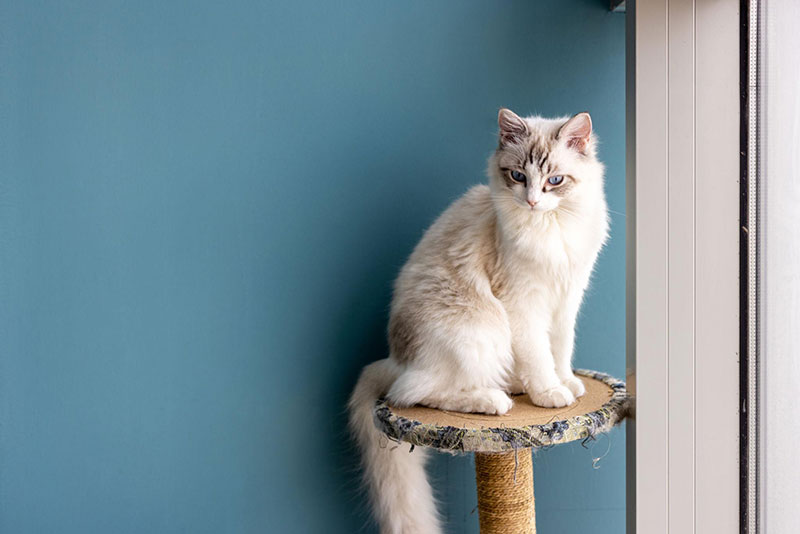
Ragdolls are large and elegant cats with plush coats and deep blue eyes. They mature slowly and may not reach full size until around 3–4 years old.
Physical Features
- Large muscular body
- Semi-long fur
- Blue almond-shaped eyes
- Soft fluffy tail
- Broad chest
- Rounded paws
- Color-point coat pattern
Common coat colors include:
- Seal
- Blue
- Chocolate
- Lilac
- Cream
- Red
Patterns include:
- Colorpoint
- Mitted
- Bicolor
- Lynx
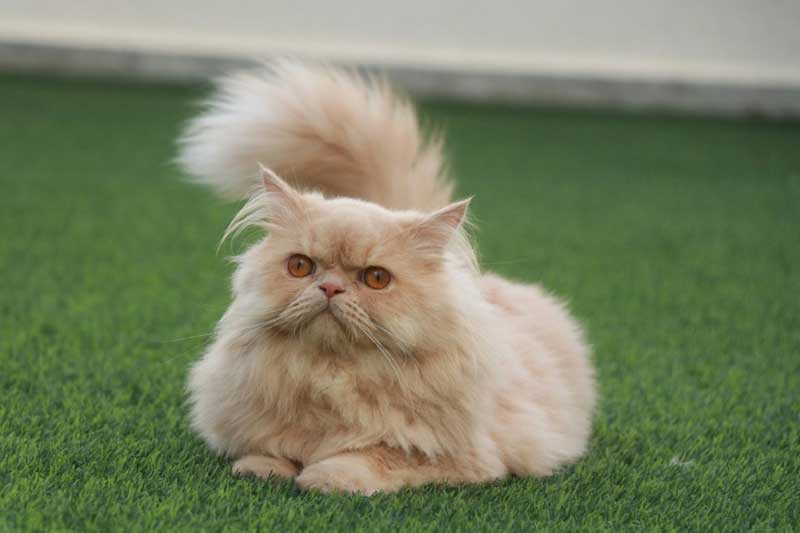
Their luxurious fur gives them a majestic look similar to Persian Cat cats, but Ragdolls have a less dense undercoat, making grooming easier.
Temperament and Personality
Ragdolls are best known for their calm and affectionate personality. They enjoy being around people and generally adapt well to indoor life.
Personality Traits
- Gentle
- Loyal
- Social
- Quiet
- Relaxed
- Playful
- Loving
They often greet owners at the door and may follow them from room to room. Unlike many independent cats, Ragdolls prefer being near their humans.
They usually get along well with:
- Children
- Seniors
- Visitors
- Dogs
- Other cats
Because of their trusting nature, they should ideally stay indoors for safety.
Compared to the active Siamese Cat, Ragdolls are usually quieter and less demanding, making them suitable for apartment living.
Ragdoll Training and Care
Ragdolls are intelligent and relatively easy to train. They can learn routines, respond to names, and even play fetch.
Training Tips
- Start socialization early
- Use positive reinforcement
- Keep litter box clean
- Offer scratching posts
- Introduce toys regularly
- Reward good behavior
Daily Care
Ragdolls thrive when owners maintain:
- Clean water
- Nutritious food
- Grooming schedule
- Vet visits
- Mental stimulation
- Comfortable resting spaces
Because they are highly social, they may not do well when left alone for long periods.
Grooming Requirements
Although their coat looks high-maintenance, Ragdolls are easier to groom than many long-haired breeds.
Grooming Routine
- Brush 2–3 times weekly
- Trim nails monthly
- Clean ears weekly
- Check eyes regularly
- Dental care weekly
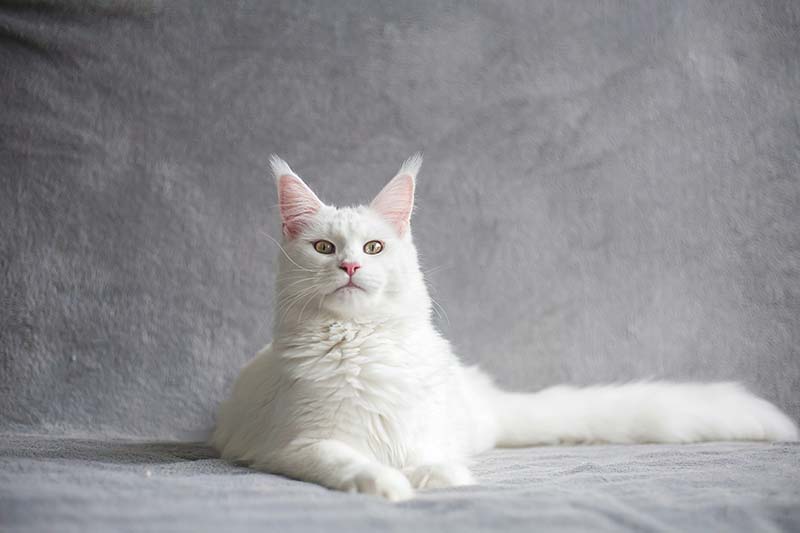
Their fur tangles less than that of a Maine Coon or Persian, but regular brushing prevents matting.
Shedding
Ragdolls do shed, especially during seasonal changes, but their shedding is moderate compared to many other fluffy cat breeds.
Exercise Needs
Ragdolls are not hyperactive, but they still need play and exercise.
Best Activities
- Feather toys
- Wand toys
- Cat tunnels
- Puzzle feeders
- Climbing trees
- Soft fetch toys
They enjoy interactive play with owners more than solo activity.
Common Health Problems
Like all purebred cats, Ragdolls can be prone to certain inherited conditions.
Common Issues
- Hypertrophic cardiomyopathy (HCM)
- Obesity
- Urinary issues
- Dental disease
- Hairballs
- Joint issues
Responsible breeders test for genetic conditions, so always choose reputable sources.
Signs to Watch
- Weight gain
- Reduced activity
- Breathing issues
- Appetite changes
- Lethargy
- Limping
Annual veterinary care helps detect problems early.
Diet and Nutrition
A balanced diet is essential for maintaining the health of a Ragdoll.
Best Diet
Choose food that includes:
- High-quality protein
- Healthy fats
- Taurine
- Omega fatty acids
- Vitamins
- Hydration support
Recommended Foods
wet cat food and premium dry foods both work well. Many owners use a mix.
Feeding Guide
Kittens
- 3–4 small meals daily
Adults
- 2 meals daily
Avoid
Do not feed:
- Chocolate
- Onions
- Garlic
- Dairy excess
- Bones
- Human junk food
Because Ragdolls are less active than some breeds, overfeeding can lead to obesity.
Is the Ragdoll Good for Families?
Yes. Ragdolls are considered one of the best family cats in the US.
Great for:
- Families with kids
- Apartment owners
- First-time cat owners
- Seniors
- Multi-pet homes
Their calm temperament means they tolerate handling better than many other breeds.
Ragdoll Price in the US
The price depends on breeder quality, bloodline, color pattern, and location.
Average Price
- Pet quality: $800–$2,000
- Show quality: $2,000–$4,000+
- Adoption: $100–$500
Additional yearly costs:
- Food
- Litter
- Grooming
- Insurance
- Vet visits
A Ragdoll can cost several thousand dollars over its lifetime.
Pros and Cons
Pros
- Very affectionate
- Family friendly
- Beautiful appearance
- Quiet nature
- Easygoing temperament
- Good indoor pet
Cons
- Expensive
- Needs companionship
- Sheds
- Can develop hereditary issues
- Indoor-only preference
Is a Ragdoll Right for You?
A Ragdoll is ideal if you want a calm, affectionate cat that bonds deeply with family. They fit well in homes where people are around frequently and can provide attention.
If you prefer a highly active or independent cat, another breed may be better. But for companionship and gentleness, few cats compare to the Ragdoll.
FAQ
Are Ragdoll cats good for first-time cat owners?
Yes, Ragdolls are one of the best choices for first-time cat owners. They are gentle, affectionate, and easy to manage indoors. Their calm personality makes them easier to handle than many more active breeds.
Do Ragdoll cats like being held?
Yes, many Ragdolls enjoy being carried and cuddled. They are known for relaxing in their owner’s arms, which is how the breed got its name. However, every cat has its own personality, so some may prefer affection on their own terms.
Are Ragdoll cats indoor cats?
Ragdolls are best kept indoors. Their trusting and friendly nature means they may approach strangers or other animals without caution, making outdoor life riskier for them.
How much does a Ragdoll cat cost in the US?
A Ragdoll kitten from a reputable breeder usually costs between $800 and $2,000. Show-quality kittens can exceed $4,000. Adoption from shelters is often much more affordable.
Do Ragdoll cats shed a lot?
Ragdolls do shed, but usually less than many long-haired breeds. Brushing them two to three times a week helps reduce loose fur and keeps their coat healthy.
Are Ragdoll cats hypoallergenic?
No, Ragdolls are not considered hypoallergenic. They still produce allergens through saliva, skin, and dander, although some people may tolerate them better than other breeds.
How long do Ragdoll cats live?
Ragdolls typically live 12 to 17 years with proper care. A healthy diet, indoor living, and regular veterinary checkups can help them live even longer.
Do Ragdoll cats get along with dogs?
Yes, Ragdolls usually adapt well to dogs, especially calm and cat-friendly breeds. Early introductions help create positive relationships.
Are Ragdolls better than Siamese Cat cats?
That depends on your lifestyle. Ragdolls are generally quieter and more relaxed, while Siamese cats are more vocal and energetic. Families looking for a calm companion often prefer Ragdolls.
Do Ragdolls need a lot of grooming?
Not as much as many people expect. Their coat is silky and less prone to matting than breeds like the Persian Cat. Regular brushing a few times a week is usually enough.
Final Thoughts
The Ragdoll is one of the most affectionate and family-friendly cat breeds available. Their calm temperament, beautiful appearance, and loving personality make them a favorite among US cat owners.
This Ragdoll cat breed guide shows why they are such a popular companion. With proper grooming, nutrition, exercise, and healthcare, a Ragdoll can become a loving member of your family for many years.
If you’re exploring other affectionate breeds, compare the Ragdoll with the Siamese Cat, Maine Coon, and Persian Cat to find the best match for your lifestyle.