QUICK BREED OVERVIE
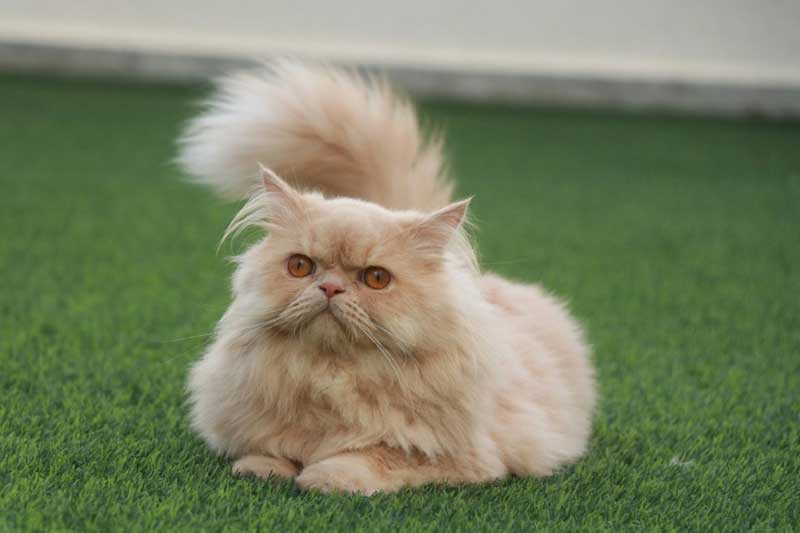
The Persian cat is a calm, affectionate breed known for its luxurious coat and relaxed personality. It is ideal for indoor living and low-energy households.
| Trait | Details |
|---|---|
| Origin | Persia (Modern-day Iran) |
| Size | Medium |
| Weight | 7–12 lbs |
| Lifespan | 12–17 years |
| Temperament | Calm, Affectionate, Quiet |
| Coat Type | Long, Thick, Double Coat |
| Grooming Needs | Very High |
| Family Friendly | Yes |
| Apartment Friendly | Excellent |
KEY CHARACTERISTICS
Persian cats are low-energy pets that prefer comfort over activity. They are affectionate but not overly demanding.
- Energy Level: Low – prefers lounging over active play
- Trainability: Moderate – responds well to gentle training
- Friendliness: High – very affectionate with owners
- Shedding: High – requires daily grooming
BREED HISTORY
The Persian Cat is one of the oldest and most recognizable cat breeds in the world. Originating from Persia (modern-day Iran), these cats were brought to Europe in the 1600s and quickly became a symbol of luxury and elegance.
Over time, selective breeding in the United States refined their signature flat face (brachycephalic features) and long, flowing coat. Today, Persian cats are among the most popular pedigree cats in the US, especially for indoor living.
TEMPERAMENT & PERSONALITY
Persian cats are known for their calm, gentle, and affectionate nature. They thrive in quiet households and prefer predictable environments.
- With Families: Loving and loyal, but not overly demanding
- With Kids: Good with calm, respectful children
- With Other Pets: Generally tolerant, especially other calm pets
- Behavior: Quiet, rarely vocal, prefers lounging beside owners
They are not highly active cats and enjoy spending most of their time relaxing, making them ideal companions for people seeking a peaceful pet.
TRAINING & SOCIALIZATION
Training a Persian cat requires patience and consistency. They respond best to gentle methods and positive reinforcement.
Training Tips:
- Use positive reinforcement (treats and praise)
- Keep sessions short and calm
- Litter training is usually easy
- Avoid harsh discipline—they are sensitive
Early socialization helps them adapt better to new environments and people.
IS THIS BREED RIGHT FOR YOU?
This breed is perfect for people who want a relaxed indoor pet. However, grooming commitment is essential.
✔ Great for first-time cat owners
✔ Perfect for apartment living
✔ Ideal for low-energy households
✔ Requires significant grooming time
✔ Best for owners who are home often
Not ideal if:
- You want a highly active or playful cat
- You don’t have time for daily grooming
CARE & MAINTENANCE
Persian cats require consistent grooming and a clean indoor environment. Their coat and eyes need regular attention.
Grooming
Persian cats require daily brushing to prevent mats and tangles. Regular bathing (every 3–4 weeks) is also recommended.
Exercise
Low exercise needs. Light play sessions with toys are sufficient.
Living Conditions
Best suited for indoor living to protect their coat and prevent health issues.
COMMON HEALTH PROBLEMS
Due to their flat face and genetics, Persian cats can develop specific health issues. Regular vet care is important.
- Polycystic Kidney Disease (PKD)
- Respiratory Issues (due to flat face)
- Eye Discharge & Tear Staining
- Dental Problems
Prevention Tips:
- Regular vet checkups
- Buy from reputable breeders
- Maintain hygiene (especially eyes and coat)
DIET & NUTRITION
A balanced diet is essential for maintaining their coat and overall health. Choose high-quality US-approved pet food.
Feeding Guidelines:
- Adult cats: 2 meals per day
- Portion: ~½ to 1 cup daily (depending on weight)
Popular US Brands:
- Royal Canin Persian Formula
- Hill’s Science Diet
- Blue Buffalo Indoor Cat Food
Ensure constant access to fresh water.
PRICE & COST
Owning a Persian cat involves both initial and ongoing costs. Grooming and healthcare add to the overall expense.
Initial Cost:
- Breeder: $1,000 – $3,500
- Adoption: $75 – $300
Monthly Cost:
- Food: $30 – $60
- Grooming: $50 – $100
- Vet care: $20 – $50
Annual Cost:
- Approx. $800 – $1,500
Pet insurance is recommended due to potential health issues.
PROS & CONS
Understanding advantages and disadvantages helps you make an informed decision before adoption.
Pros:
✔ Calm and affectionate
✔ Great for apartments
✔ Low exercise needs
✔ Beautiful appearance
Cons:
✖ High grooming maintenance
✖ Prone to health issues
✖ Not very active or playful
✖ Can be expensive
COMMON MISTAKES
Many new owners underestimate the grooming and care needs of Persian cats. Avoiding these mistakes ensures a healthier pet.
- Skipping daily grooming
- Ignoring eye cleaning
- Feeding low-quality food
- Not considering long-term health costs
- Buying from unreliable breeders
BEST FOR
Persian cats are best suited for calm households and owners who enjoy caring for their pets regularly.
- Apartment dwellers
- Seniors or low-activity households
- Families with calm children
- First-time cat owners willing to groom
FAQ
Q1: Are Persian cats good for beginners?
Yes, but only if you’re ready for daily grooming.
Q2: Do Persian cats shed a lot?
Yes, they shed heavily and require regular brushing.
Q3: Are Persian cats hypoallergenic?
No, they are not hypoallergenic.
Q4: How long do Persian cats live?
Typically 12–17 years with proper care.
Q5: Can Persian cats be left alone?
They prefer company but can tolerate short periods alone.