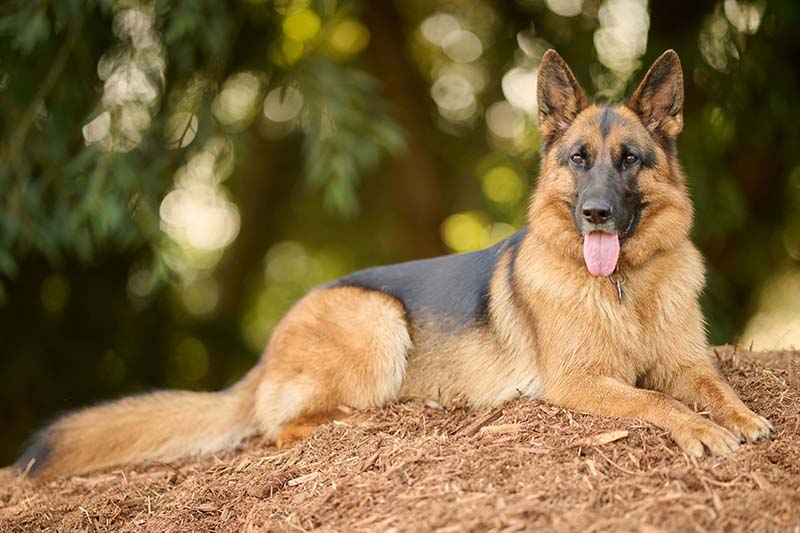
The German Shepherd is one of the most intelligent, loyal, and versatile dog breeds in the United States. Known for their courage and working ability, these dogs are commonly used as police dogs, military dogs, service animals, and loving family companions.
Whether you are considering adopting a German Shepherd puppy or already own one, understanding their temperament, care requirements, training needs, and health concerns is essential. This complete guide covers everything dog owners need to know about German Shepherds.
If you’re already planning to bring one home, don’t miss our complete German Shepherd Puppy Care guide, where we cover daily routines, grooming schedules, exercise, and long-term care in greater detail.
Quick Breed Overview
| Feature | Details |
|---|---|
| Breed Name | German Shepherd |
| Origin | Germany |
| Breed Group | Herding Group |
| Size | Large |
| Weight | 50–90 lbs |
| Height | 22–26 inches |
| Lifespan | 9–13 years |
| Temperament | Loyal, Intelligent, Protective |
| Coat Type | Double Coat |
| Shedding Level | High |
| Grooming Needs | Moderate to High |
| Energy Level | Very High |
| Trainability | Excellent |
| Family Friendly | Yes |
| Good with Kids | Yes (with training) |
| Apartment Friendly | Not Ideal |
| Exercise Needs | 1–2 hours daily |
Key Characteristics
High Intelligence
German Shepherds are among the smartest dog breeds in the world. They learn commands quickly and excel in obedience training, agility, search-and-rescue, and protection work.
Extremely Loyal
This breed forms strong bonds with family members and is naturally protective. German Shepherds are known for standing by their owners in all situations.
Energetic and Active
They require regular exercise and mental stimulation. Without enough activity, they may become bored and develop destructive behaviors.
Heavy Shedding
German Shepherds shed year-round and experience seasonal “coat blowouts” twice a year. Regular brushing is necessary to manage loose hair.
Excellent Working Ability
Their confidence, courage, and trainability make them popular in police departments, military operations, and service work throughout the US.
Breed History
The German Shepherd originated in Germany during the late 1800s. Captain Max von Stephanitz is credited with developing the breed by selectively breeding highly intelligent and capable herding dogs.
The goal was to create the perfect working dog with strength, obedience, intelligence, and endurance. German Shepherds quickly became popular as farm dogs and guardians.
During World War I and World War II, German Shepherds gained worldwide recognition for their military service. After the wars, the breed became increasingly popular in the United States due to their loyalty and versatility.
Today, German Shepherds are one of the most registered dog breeds in America and are commonly seen as family pets, service dogs, police K9s, and therapy animals.
Temperament & Personality
Protective Nature
German Shepherds are naturally protective and alert. They make excellent guard dogs because they are cautious around strangers while remaining deeply devoted to their families.
Proper socialization is important to ensure they grow into confident and well-balanced dogs.
Great Family Dogs
When trained properly, German Shepherds are affectionate and gentle with children. They enjoy being involved in family activities and thrive when they feel included.
They are best suited for active families who can provide regular exercise and companionship.
Intelligence and Confidence
German Shepherds are highly intelligent and confident dogs. They respond well to structured training and enjoy tasks that challenge their minds.
Because of their intelligence, they can quickly learn both good and bad habits.
Compatibility with Other Pets
German Shepherds can live peacefully with other dogs and pets if introduced and socialized early. However, some may show dominant or territorial behavior without proper training.
Training & Socialization
Easy to Train
German Shepherds are highly trainable and eager to please. Positive reinforcement methods work best, including treats, praise, and consistency.
Training should begin as early as possible. For step-by-step obedience training and puppy socialization tips, visit our complete German Shepherd Training Guide.
Importance of Socialization
Early socialization helps reduce fearfulness and aggression. Expose your puppy to:
- Different people
- Children
- Other dogs
- New environments
- Sounds and situations
Puppy training classes are highly recommended for first-time owners.
Mental Stimulation Matters
German Shepherds need mental exercise in addition to physical activity. Puzzle toys, obedience exercises, scent games, and agility training help prevent boredom.
Avoid Harsh Training
Harsh punishment can damage trust and create anxiety. German Shepherds respond best to calm, confident leadership.
Is This Breed Right for You?
Before bringing home a German Shepherd, consider the following checklist.
| Lifestyle Factor | Suitable? |
|---|---|
| First-Time Dog Owners | Possibly with commitment |
| Apartment Living | Not Ideal |
| Active Lifestyle | Excellent Match |
| Families with Kids | Yes |
| Seniors | Only if active |
| Large Yard Available | Recommended |
| Long Work Hours Away | Not Recommended |
| Daily Exercise Commitment | Required |
A German Shepherd may be right for you if:
- You enjoy outdoor activities
- You can provide daily training and exercise
- You want a loyal companion
- You have enough space for a large dog
This breed may not be ideal if:
- You prefer low-maintenance dogs
- You are away from home most of the day
- You dislike dog hair and shedding
Care & Maintenance
Grooming Needs
German Shepherds have thick double coats that require regular grooming. Choosing the right grooming tools makes a huge difference during shedding season. Check out our guide to the Best Dog Brushes to find the right brush for heavy double-coated breeds like German Shepherds.
Brushing
- Brush 3–4 times weekly
- Daily brushing during shedding season
- Use an undercoat rake or de-shedding tool
Bathing
- Bathe every 2–3 months
- Avoid overbathing to protect natural skin oils
Regular bathing is just as important as brushing. Our German Shepherd Grooming Guide explains the ideal bathing schedule, coat care routine, nail trimming, and ear cleaning.
Nail Trimming
Trim nails every 3–4 weeks or as needed.
Dental Care
Brush teeth several times weekly to prevent dental disease.
Exercise Requirements
German Shepherds need at least 1–2 hours of exercise daily. Looking for fun ways to keep your dog active? Read our complete German Shepherd Exercise Guide for age-specific exercise routines, games, and mental enrichment ideas.
Great exercise options include:
- Long walks
- Running
- Hiking
- Fetch
- Agility training
- Obedience work
Without enough activity, they may bark excessively or become destructive.
Living Environment
German Shepherds do best in homes with:
- Secure fenced yards
- Space to move around
- Active owners
- Consistent routines
They can adapt to smaller homes if given enough exercise, but apartments are generally not ideal.
Common Health Problems
Like many large dog breeds, German Shepherds are prone to certain health conditions.
Hip Dysplasia
A common joint condition that affects mobility and causes pain.
Prevention Tips
- Maintain healthy weight
- Avoid excessive jumping during puppyhood
- Buy from reputable breeders who test hips
Elbow Dysplasia
This joint disorder can lead to arthritis and lameness.
Regular vet checkups and proper nutrition help reduce risks.
Degenerative Myelopathy
A spinal cord disease that affects mobility in older German Shepherds.
Symptoms include:
- Weakness in back legs
- Difficulty walking
- Loss of coordination
Bloat (Gastric Dilatation-Volvulus)
This life-threatening condition causes the stomach to twist.
Prevention Tips
- Feed smaller meals
- Avoid intense exercise after eating
- Use slow feeder bowls if needed
Allergies and Skin Problems
Some German Shepherds experience food allergies or skin sensitivities.
Common signs include:
- Itching
- Ear infections
- Hot spots
Regular veterinary care is essential for early detection and treatment. Many common health problems can be prevented or managed through proper nutrition, exercise, and regular veterinary care. Learn more in our detailed German Shepherd Health Guide.
Diet & Nutrition
Proper nutrition is critical for maintaining a healthy German Shepherd. Not sure which food is best? See our expert recommendations for the Best Food for German Shepherds, including puppy, adult, and senior formulas.
Choose AAFCO-Approved Foods
Look for dog foods that meet AAFCO nutritional standards and contain:
- High-quality protein
- Healthy fats
- Vitamins and minerals
- Joint-support ingredients
Feeding Schedule
Puppies
- 3–4 meals daily
Adults
- 2 meals daily
Portion Sizes
Adult German Shepherds generally eat:
- 3–5 cups of food daily
Portion size depends on:
- Age
- Activity level
- Weight
- Metabolism
Always consult your veterinarian for personalized feeding recommendations.
Popular Dog Food Brands in the US
Some popular choices among US owners include:
Healthy Treats
Healthy treat options include:
- Carrots
- Blueberries
- Apple slices
- Training treats in moderation
Avoid overfeeding treats to prevent obesity.
Price & Cost in the US
Puppy Price
German Shepherd puppy prices vary depending on breeder quality, bloodline, and location.
| Source | Average Price |
|---|---|
| Reputable Breeder | $1,000–$3,500 |
| Working Line Puppies | $2,500–$6,000 |
| Adoption/Rescue | $100–$500 |
Monthly Expenses
Typical monthly costs include:
| Expense | Monthly Estimate |
|---|---|
| Food | $60–$120 |
| Grooming | $30–$80 |
| Vet Care | $40–$100 |
| Pet Insurance | $40–$90 |
| Toys & Supplies | $20–$50 |
Annual Cost Estimate
Owning a German Shepherd in the US may cost:
- $1,500–$4,000+ annually
Costs depend on health, food quality, training, and lifestyle.
Pros & Cons
Pros
- Extremely intelligent
- Loyal and protective
- Excellent family companion
- Easy to train
- Great working dog
- Athletic and versatile
Cons
- Heavy shedding
- Requires lots of exercise
- Can develop separation anxiety
- Needs consistent training
- Large size requires space
- Health issues can be expensive
Common Mistakes New Owners Make
Not Exercising Enough
German Shepherds become bored quickly without activity.
Skipping Early Socialization
Poor socialization may lead to fear or aggression issues.
Using Harsh Training Methods
This can damage trust and worsen behavior.
Ignoring Mental Stimulation
These dogs need mental challenges daily.
Overfeeding
Obesity increases joint problems and other health risks.
Best For
German Shepherds are best suited for:
- Active families
- Experienced dog owners
- Homes with yards
- People who enjoy training dogs
- Owners seeking protection and companionship
They are excellent for individuals who want a loyal and intelligent dog capable of participating in outdoor activities and advanced training.
FAQ Section
Are German Shepherds good family dogs?
Yes, German Shepherds are loyal, affectionate, and protective family dogs when properly trained and socialized.
Do German Shepherds shed a lot?
Yes, German Shepherds are heavy shedders and require frequent brushing throughout the year.
How much exercise does a German Shepherd need?
They typically need 1–2 hours of exercise daily along with mental stimulation.
Are German Shepherds aggressive?
German Shepherds are not naturally aggressive when trained and socialized properly. They are protective and alert by nature.
How long do German Shepherds live?
Most German Shepherds live between 9–13 years.
Are German Shepherds easy to train?
Yes, they are among the easiest dog breeds to train because of their intelligence and eagerness to learn.
Final Thoughts
The German Shepherd is one of the most loyal, intelligent, and versatile dog breeds in the world. With proper training, socialization, exercise, and care, they become loving family companions and dependable protectors.
However, this breed requires commitment, consistency, and an active lifestyle. If you can meet their physical and mental needs, a German Shepherd can become an incredible lifelong companion.
Want to become the best German Shepherd owner possible? Continue with these expert guides: