Quick Breed Overview
| Trait | Details |
|---|---|
| Origin | United States (Maine) |
| Breed Type | Large Domestic Cat |
| Weight | 10–25 lbs |
| Lifespan | 12–15 years |
| Temperament | Friendly, intelligent, affectionate |
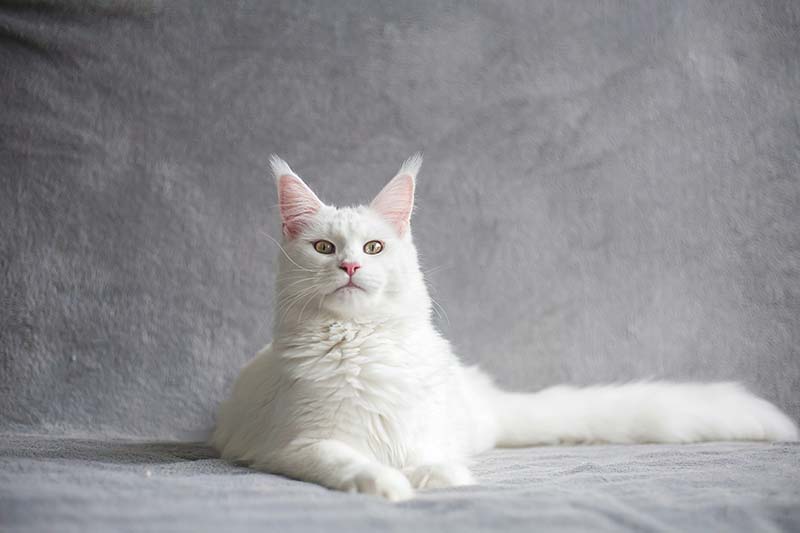
| Coat Type | Long, thick, water-resistant |
| Grooming Needs | Moderate to High |
| Energy Level | Moderate |
| Family Friendly | Excellent |
| Apartment Friendly | Yes, with enough space |
| Good With Kids | Excellent |
| Good With Other Pets | Very Good |
| Vocalization | Moderate |
| Trainability | High |
Introduction
The Maine Coon is one of the most popular cat breeds in the United States — and for good reason. Known for their giant size, fluffy coats, and dog-like personalities, Maine Coons are affectionate companions that fit well into many American households.
Often called “gentle giants,” these cats are friendly, intelligent, and surprisingly adaptable. Whether you live in a suburban home or a city apartment, a Maine Coon can become a loyal member of your family with proper care and attention.
In this complete guide, you’ll learn everything you need to know about Maine Coon cats, including temperament, grooming, health concerns, diet, training, and the average price of owning one in the US.
Key Characteristics
Friendly and Social
Maine Coons are extremely people-oriented cats. They enjoy spending time with their owners and usually get along well with children, visitors, and even dogs.
Highly Intelligent
These cats are smart and curious. Many Maine Coons learn tricks, respond to their names, and even enjoy puzzle toys or leash training.
Moderate Energy Level
Unlike hyperactive breeds, Maine Coons balance playfulness with calm behavior. They love interactive play sessions but also enjoy relaxing near their owners.
Heavy Shedding
Their thick double coat sheds throughout the year, especially during seasonal changes. Regular grooming helps reduce hair buildup around the home.
Excellent Adaptability
Maine Coons adapt well to different environments and lifestyles, making them ideal for many US households.
Breed History
The Maine Coon originated in the state of Maine and is considered one of America’s oldest natural cat breeds. Although the exact origin remains uncertain, several legends surround the breed.
One popular myth claims Maine Coons descended from long-haired cats brought by Viking explorers or sailors. Another theory suggests they developed naturally by adapting to the cold climate of New England.
Farmers and sailors valued these cats for their excellent hunting skills and rugged survival abilities. Their thick coats, bushy tails, and large paws helped them survive harsh winters.
By the late 1800s, Maine Coons became popular in cat shows across the US. Although their popularity briefly declined after exotic breeds entered the market, dedicated breeders preserved the breed. Today, the Maine Coon is one of the most registered cat breeds in America.
Temperament & Personality
Gentle and Affectionate
Maine Coons are loving cats without being overly demanding. They often follow their owners around the house and enjoy being part of daily activities.
Unlike some lap cats, many Maine Coons prefer sitting beside you rather than directly on your lap. Their affectionate yet independent personality appeals to many pet owners.
Great With Families
These cats are known for their patience and gentle nature around children. They tolerate handling well and usually enjoy interactive family environments.
Because of their playful personality, they can become excellent companions for active kids who understand how to treat pets respectfully.
Friendly With Other Pets
Maine Coons generally coexist peacefully with other cats and cat-friendly dogs. Early socialization improves their ability to adapt to multi-pet households.
Vocal but Not Loud
Instead of loud meows, Maine Coons communicate using chirps, trills, and soft vocal sounds. Many owners describe their communication style as charming and unique.
Intelligent Problem Solvers
Their intelligence means they enjoy stimulation. Maine Coons often learn routines quickly and may even figure out how to open doors or cabinets.
Training & Socialization
Easy to Train
Thanks to their intelligence and desire for interaction, Maine Coons are among the easiest cat breeds to train.
Positive reinforcement works best. Use treats, praise, and consistency during training sessions.
Litter Box Training
Most Maine Coons adapt quickly to litter box routines. Large litter boxes are recommended because of their size.
Leash Training
Many Maine Coons enjoy supervised outdoor walks using a harness and leash. Start slowly indoors before introducing outdoor environments.
Socialization Tips
Early exposure to people, sounds, and other pets helps create a confident adult cat. Kittens that experience positive interactions early usually become more adaptable.
Mental Stimulation
Interactive toys, climbing trees, scratching posts, and puzzle feeders help prevent boredom and destructive behavior.
Is This Breed Right for You?
A Maine Coon may be a perfect choice if you:
- Want a friendly and affectionate cat
- Have children or other pets
- Enjoy interactive and playful pets
- Can commit to regular grooming
- Prefer a social cat that enjoys companionship
This breed may not be ideal if you:
- Want a low-maintenance grooming routine
- Dislike shedding
- Spend very long hours away from home
- Have limited space for a large cat
Although Maine Coons adapt well to apartments, they thrive best when they have room to climb, play, and explore.
Care & Maintenance
Grooming Needs
Maine Coons have long, thick coats that require consistent maintenance.
Brushing
Brush your Maine Coon at least 2–3 times weekly to prevent matting and reduce shedding. During heavy shedding seasons, daily brushing may help.
Focus on areas prone to tangles:
- Under the legs
- Belly
- Behind the ears
- Tail area
Bathing
Most Maine Coons tolerate water better than many other cats. Occasional baths can help maintain coat cleanliness.
Nail and Dental Care
Trim nails every few weeks and maintain dental hygiene using cat-safe toothpaste or dental treats.
Exercise Requirements
Although not extremely hyperactive, Maine Coons need daily exercise to maintain a healthy weight.
Good exercise options include:
- Interactive toys
- Feather wands
- Cat trees
- Laser play sessions
- Puzzle feeders
Living Environment
Maine Coons thrive indoors where they remain safe from traffic, predators, and diseases. Indoor cats also typically live longer.
Provide:
- Vertical climbing space
- Cozy sleeping areas
- Scratching posts
- Large litter boxes
Common Health Problems
Like many purebred cats, Maine Coons can develop certain inherited health conditions.
Hypertrophic Cardiomyopathy (HCM)
HCM is one of the most common heart diseases in cats. Responsible breeders often screen breeding cats for this condition.
Symptoms may include:
- Lethargy
- Breathing difficulties
- Rapid heartbeat
Hip Dysplasia
Because of their large size, Maine Coons can develop hip joint problems that affect mobility.
Spinal Muscular Atrophy (SMA)
This inherited condition affects muscle development and movement. Genetic testing helps reduce the risk.
Obesity
Maine Coons love food and can gain weight easily without proper portion control and exercise.
Dental Disease
Routine dental care helps prevent gum infections and tooth problems.
Prevention Tips
- Schedule annual vet visits
- Use high-quality food
- Maintain healthy weight
- Provide regular exercise
- Consider pet insurance
Always work with a licensed veterinarian for early detection and preventive care.
Diet & Nutrition
Proper nutrition plays a major role in keeping a Maine Coon healthy and active.
Choose High-Quality Cat Food
Look for foods that meet Association of American Feed Control Officials nutritional standards.
High-protein diets support muscle development and overall health.
Feeding Schedule
Kittens
- 3–4 small meals daily
Adult Cats
- 2 balanced meals daily
Portion Control
Because Maine Coons are large cats, owners sometimes overfeed them. Follow feeding guidelines based on weight and activity level.
Important Nutrients
A healthy Maine Coon diet should include:
- Animal protein
- Omega fatty acids
- Taurine
- Vitamins and minerals
- Adequate hydration
Popular Cat Food Brands in the US
Many US owners choose premium brands such as:
Always transition food gradually to avoid digestive upset.
Maine Coon Price & Ownership Cost (US)
Initial Purchase Price
The cost of a Maine Coon kitten in the US varies depending on breeder reputation, pedigree, and location.
Typical breeder prices:
- $1,000–$3,500+
Show-quality kittens may cost even more.
Adoption Cost
Adopting from shelters or rescue organizations usually costs:
- $100–$500
Adoption often includes vaccinations and spaying/neutering.
Monthly Expenses
Average monthly ownership costs:
- Food: $40–$80
- Litter: $20–$40
- Grooming supplies: $10–$30
- Toys and accessories: $10–$25
- Pet insurance: $20–$60
Annual Veterinary Costs
Routine vet care may cost:
- $200–$600 annually
Unexpected medical emergencies can increase expenses significantly.
Pros & Cons
Pros
- Friendly and affectionate
- Excellent with children
- Intelligent and trainable
- Adaptable to many households
- Beautiful appearance
- Good with other pets
Cons
- Heavy shedding
- Requires regular grooming
- Can be expensive
- Large size needs more space
- Possible inherited health issues
- May become lonely without interaction
Common Mistakes New Owners Make
Ignoring Grooming Needs
Skipping brushing sessions can lead to painful mats and excessive shedding.
Overfeeding
Because of their large size, owners may unintentionally feed too much, increasing obesity risk.
Not Providing Enough Stimulation
Maine Coons are intelligent cats that need mental enrichment and playtime.
Buying From Unethical Breeders
Always choose reputable breeders who provide health screenings and proper socialization.
Using Small Cat Accessories
Standard litter boxes and cat trees may be too small for a full-grown Maine Coon.
Best For
The Maine Coon is best suited for:
- Families with children
- Multi-pet households
- First-time cat owners
- Active households
- Owners wanting an affectionate companion
- People who enjoy interactive pets
Their calm yet playful personality makes them one of the most versatile cat breeds for American homes.
Frequently Asked Questions
Are Maine Coons good indoor cats?
Yes. Maine Coons adapt very well to indoor living as long as they receive enough exercise, stimulation, and attention.
Do Maine Coons shed a lot?
Yes. Their long double coat sheds regularly and requires consistent grooming.
How big do Maine Coons get?
Adult Maine Coons usually weigh between 10–25 lbs, making them one of the largest domestic cat breeds.
Are Maine Coons aggressive?
No. Maine Coons are generally gentle, friendly, and sociable cats.
Can Maine Coons live with dogs?
Yes. They usually get along very well with cat-friendly dogs when introduced properly.
How long do Maine Coons live?
Most Maine Coons live between 12–15 years with proper care and regular veterinary checkups.
Final Thoughts
The Maine Coon is an outstanding companion for families, singles, and multi-pet households alike. Their affectionate personality, intelligence, and striking appearance have made them one of America’s favorite cat breeds.
Although they require regular grooming and ongoing care, many owners find the effort worthwhile because of the strong bond these cats develop with their families.
If you are looking for a loving, playful, and loyal feline companion, the Maine Coon may be the perfect addition to your home.