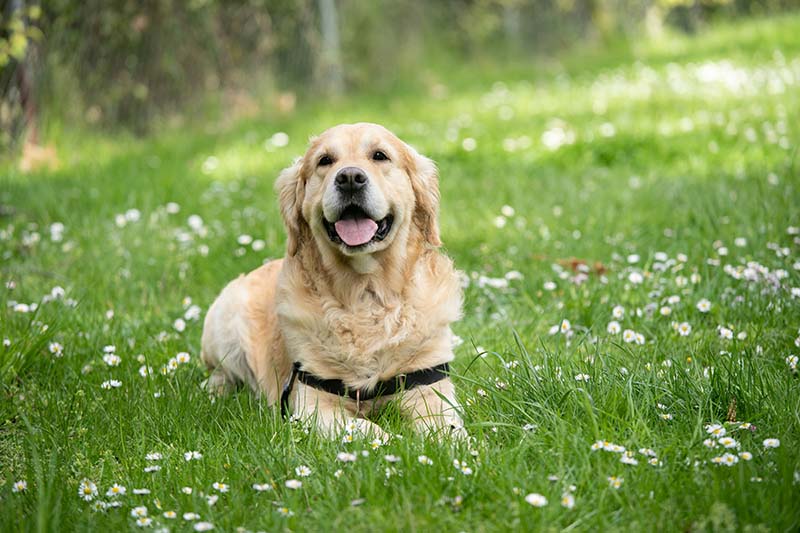

The Golden Retriever is one of the most popular family dogs in the United States — and for good reason. Known for their friendly personality, intelligence, and loyalty, Golden Retrievers are excellent companions for families, singles, seniors, and active households alike.
Originally bred as hunting dogs, Golden Retrievers are now commonly seen as therapy dogs, service dogs, search-and-rescue dogs, and loving family pets. Their gentle temperament and eagerness to please make them one of the easiest breeds to train.
If you’re still deciding whether this breed is right for you, be sure to read our Golden Retriever vs Labrador Retriever comparison to understand the key differences between these two popular family dogs.
In this complete guide, you’ll learn everything you need to know about Golden Retrievers, including temperament, grooming, training, health concerns, diet, exercise needs, and the average cost of ownership in the US.
Quick Breed Overview
| Feature | Details |
|---|---|
| Breed Name | Golden Retriever |
| Origin | Scotland |
| Breed Group | Sporting Group |
| Size | Large |
| Weight | 55–75 lbs |
| Height | 21–24 inches |
| Lifespan | 10–12 years |
| Temperament | Friendly, Intelligent, Loyal |
| Coat Type | Double coat, medium-long |
| Shedding Level | High |
| Grooming Needs | Moderate to High |
| Energy Level | High |
| Trainability | Excellent |
| Family Friendly | Excellent |
| Good With Kids | Yes |
| Apartment Friendly | Moderate |
| Exercise Needs | 1–2 hours daily |
Before bringing home a puppy, it’s worth learning about the best dog food for Golden Retrievers to support healthy growth and development from day one.
Key Characteristics
Friendly and Social
Golden Retrievers are naturally affectionate and love being around people. They usually get along well with children, guests, and other pets.
Highly Intelligent
This breed consistently ranks among the smartest dog breeds. They learn commands quickly and respond very well to positive reinforcement training.
Energetic and Playful
Golden Retrievers require regular physical activity and mental stimulation. They enjoy outdoor adventures, fetch games, swimming, and long walks.
Heavy Shedders
Their thick double coat sheds year-round and heavily during seasonal changes. Regular brushing is essential.
Loyal Family Companion
Golden Retrievers form strong emotional bonds with their owners and thrive in family environments.
Breed History
The Golden Retriever originated in Scotland during the mid-1800s. The breed was developed by Dudley Marjoribanks, also known as Lord Tweedmouth, who wanted the perfect hunting retriever capable of retrieving game from both land and water.
The breed was created by crossing the Yellow Retriever with the now-extinct Tweed Water Spaniel, along with Bloodhounds and Irish Setters. The result was a highly skilled hunting dog with a soft mouth, excellent swimming ability, and friendly temperament.
Golden Retrievers became increasingly popular in the United States during the 20th century due to their intelligence and adaptability. Today, they are one of the most beloved dog breeds in America.
Temperament & Personality
Golden Retrievers are known for their sweet, patient, and gentle nature. They are extremely people-oriented dogs that thrive on companionship and attention.
Great With Families
This breed is ideal for families with children because of its calm and tolerant personality. Golden Retrievers are patient with kids and enjoy participating in family activities.
If you’re raising a young puppy, our Golden Retriever Training Guide covers house training, obedience, socialization, and common behavioral challenges.
Friendly Toward Strangers
Unlike guard dogs, Golden Retrievers are usually welcoming toward visitors. Their friendly nature makes them poor watchdogs but excellent companions.
Good With Other Pets
They generally get along very well with other dogs and even cats when properly socialized.
Emotionally Sensitive
Golden Retrievers are emotionally intelligent dogs that respond best to kindness and consistency. Harsh training methods can negatively affect their confidence.
Intelligent and Eager to Please
Their desire to make owners happy makes training easier than many other breeds.
Training & Socialization
Golden Retrievers are among the easiest dog breeds to train. Their intelligence and eagerness to learn make them excellent candidates for obedience, agility, therapy work, and advanced training.
Start Early
Begin socialization and basic obedience training during puppyhood. Early exposure to different environments, sounds, people, and animals helps build confidence.
Positive Reinforcement Works Best
Reward-based training using treats, praise, and toys is highly effective for Golden Retrievers.
Puppy Classes
Enrolling your puppy in obedience classes can help with socialization and behavior development.
Prevent Bad Habits
Without enough exercise or mental stimulation, Golden Retrievers may develop behaviors such as:
- Excessive chewing
- Jumping on people
- Barking
- Digging
- Separation anxiety
Mental Stimulation Is Important
Puzzle toys, scent games, and training sessions help keep their minds active.
Is This Breed Right for You?
Before bringing home a Golden Retriever, consider whether your lifestyle matches the breed’s needs.
Golden Retriever May Be Right for You If:
- You want a friendly family dog
- You have time for daily exercise
- You enjoy outdoor activities
- You can handle regular grooming
- You want a trainable and social companion
This Breed May Not Be Ideal If:
- You’re rarely home
- You dislike dog hair and shedding
- You want a low-energy pet
- You need a strong guard dog
- You cannot commit to exercise and interaction
Care & Maintenance
Grooming Needs
Golden Retrievers have a thick water-resistant double coat that requires regular maintenance.
Grooming Routine
- Brush 3–4 times per week. Using the right grooming tools makes shedding much easier. Check out our guide to the best dog brushes for Golden Retrievers.
- Daily brushing during shedding season
- Bathe every 6–8 weeks. Choosing a gentle shampoo helps maintain healthy skin and coat. Read our review of the best dog shampoo for Golden Retrievers.
- Trim nails monthly. Keeping nails short prevents discomfort and joint stress. See our guide to the best dog nail clippers for safe at-home grooming.
- Clean ears regularly
- Brush teeth several times weekly
Exercise Requirements
Golden Retrievers are active dogs that need at least 1–2 hours of exercise daily.
Best Activities
- Fetch
- Swimming
- Hiking
- Jogging
- Dog parks
- Agility training
Lack of exercise can lead to obesity and destructive behavior.
Living Conditions
Golden Retrievers do best in homes with space to move around. A fenced yard is ideal, but apartment living can work if exercise needs are consistently met.
Common Health Problems
Like many purebred dogs, Golden Retrievers are prone to certain genetic health conditions.
Hip Dysplasia
A common joint condition that can cause pain and mobility issues.
Elbow Dysplasia
This orthopedic condition affects the elbow joints and may require medical management or surgery.
Cancer
Unfortunately, Golden Retrievers have higher cancer rates compared to many breeds. Common types include lymphoma and hemangiosarcoma.
Heart Problems
Some Golden Retrievers develop heart conditions such as subvalvular aortic stenosis.
Ear Infections
Their floppy ears trap moisture, increasing infection risk.
Skin Allergies
Food allergies and environmental allergies are relatively common.
Prevention Tips
- Choose a reputable breeder
- Schedule regular veterinary visits
- Maintain healthy weight
- Feed high-quality food
- Keep vaccinations current
- Exercise regularly
Pet insurance can help reduce unexpected medical expenses.
Diet & Nutrition
Proper nutrition is essential for maintaining your Golden Retriever’s health and energy levels.
Choose AAFCO-Approved Food
Look for dog foods that meet AAFCO nutritional standards. We’ve compared the highest-rated formulas in our guide to the best dog food for Golden Retrievers.
Feeding Schedule
Puppies
- 3–4 meals daily
Adults
- 2 meals daily
Portion Control
Most adult Golden Retrievers require approximately 2.5–4 cups of food daily depending on age, activity level, and metabolism.
Important Nutrients
- High-quality protein
- Healthy fats
- Omega-3 fatty acids
- Glucosamine and chondroitin
- Vitamins and minerals
Popular US Dog Food Brands
Avoid Overfeeding
Golden Retrievers love food and are prone to obesity. Limit treats and monitor calorie intake carefully.
Price & Cost in the US
Owning a Golden Retriever involves both upfront and ongoing expenses.
Puppy Price
From a Reputable Breeder
- $1,000–$3,500
Adoption or Rescue
- $200–$600
Initial Costs
- Crate
- Bed
- Toys
- Leash and collar
- Food and bowls
- Vaccinations
- Spaying/neutering
Estimated first-year setup costs:
- $1,500–$4,500
Monthly Expenses
- Food: $60–$120
- Grooming: $50–$100
- Pet insurance: $30–$80
- Vet care: varies
- Toys/treats: $20–$50
Annual Cost Estimate
Most US owners spend around:
- $1,500–$3,000 annually
Pros & Cons
Pros
- Extremely friendly and affectionate
- Great with children
- Highly intelligent and trainable
- Good with other pets
- Loyal and loving companion
- Excellent therapy/service dog
Cons
- Heavy shedding
- Requires lots of exercise
- Can develop separation anxiety
- Prone to certain health issues
- Needs regular grooming
- Not ideal as a guard dog
Common Mistakes New Owners Make
Not Providing Enough Exercise
Golden Retrievers are active dogs that need daily physical activity.
Ignoring Mental Stimulation
Boredom can lead to destructive behaviors.
Overfeeding
Obesity is common and can worsen joint problems.
Skipping Grooming
Their coat can become matted without regular brushing.
Leaving Them Alone Too Long
Golden Retrievers crave companionship and may develop anxiety when isolated for extended periods.
Best For
The Golden Retriever is best suited for:
- Families with children
- Active individuals
- First-time dog owners
- Outdoor enthusiasts
- Homes with yards
- Multi-pet households
They may not be ideal for people seeking a low-maintenance or independent dog. If you’re considering another popular family breed, you may also enjoy our complete Labrador Retriever Breed Guide.
Frequently Asked Questions
Are Golden Retrievers good family dogs?
Yes. Golden Retrievers are considered one of the best family dog breeds due to their gentle and friendly nature.
Do Golden Retrievers shed a lot?
Yes. They shed year-round and heavily during spring and fall seasons.
How long do Golden Retrievers live?
Most Golden Retrievers live between 10–12 years with proper care.
Are Golden Retrievers easy to train?
Yes. Their intelligence and eagerness to please make them highly trainable.
Can Golden Retrievers live in apartments?
They can adapt to apartment living if they receive enough daily exercise and mental stimulation.
How much exercise does a Golden Retriever need?
Most adults require at least 1–2 hours of exercise every day.
Final Thoughts
The Golden Retriever remains one of America’s most loved dog breeds because of its loyal personality, intelligence, and adaptability. Whether you’re a first-time owner or an experienced dog lover, this breed offers companionship, affection, and endless joy.
However, Golden Retrievers thrive best in homes where they receive regular exercise, training, grooming, and attention. If you can provide an active and loving environment, a Golden Retriever can become an incredible lifelong companion.
Ready to give your Golden Retriever the best possible care? Explore our expert guides on Golden Retriever Training, Golden Retriever Puppy Care, and our reviews of the best dog food, best brushes, best shampoos, and best nail clippers to keep your companion happy and healthy.