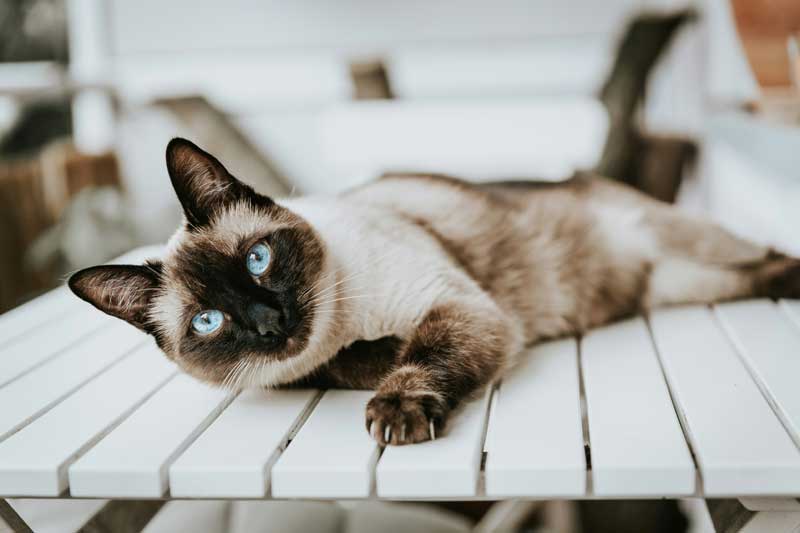
The Siamese Cat guide is essential for anyone considering one of the most intelligent and vocal cat breeds in the world. Siamese cats are known for their striking blue eyes, elegant bodies, and strong attachment to their owners.
Originally from Thailand, the Siamese has become one of the most popular indoor cat breeds in the United States. Their affectionate nature and playful personality make them ideal for many American households.
Quick Breed Overview
| Trait | Details |
|---|---|
| Origin | Thailand |
| Size | Medium |
| Weight | 8–14 lbs |
| Lifespan | 12–20 years |
| Temperament | Social, vocal, affectionate |
| Coat Type | Short |
| Grooming | Low |
| Family Friendly | Excellent |
| Apartment Friendly | Excellent |
| Energy Level | High |
| Shedding | Low to moderate |
Key Characteristics
Highly Social
Siamese cats thrive on companionship. They dislike being left alone for long periods.
Intelligent
They learn quickly and can be taught tricks, commands, and puzzle activities.
Vocal
One of the most talkative cat breeds. They often “talk” to owners throughout the day.
Active
Siamese cats enjoy climbing, chasing toys, and interactive games.
Breed History
The Siamese cat originated in ancient Siam, now known as Thailand. Historical records show they lived in royal households and temples.
These cats were highly valued and considered sacred. In the late 1800s, they were introduced to the United States and quickly gained popularity.
Today, the Siamese remains one of the most recognized cat breeds in America.
Temperament & Personality
The Siamese Cat guide would not be complete without understanding personality.
Siamese cats are deeply attached to their humans. They often follow family members around the house.
With Families
Excellent with active families who spend time interacting.
With Children
Usually good with respectful children.
With Other Pets
Can coexist well with other cats and cat-friendly dogs.
Intelligence
Highly curious. They investigate everything and enjoy learning routines.
Training & Socialization
Siamese cats are among the easiest cat breeds to train.
Litter Training
Most kittens adapt very quickly.
Tricks
They can learn:
- Sit
- Fetch
- Come when called
- Jump through hoops
- Leash walking
Socialization Tips
Expose kittens to:
- Visitors
- Different sounds
- Children
- Other pets
Early exposure helps reduce anxiety.
Is This Breed Right for You?
Choose a Siamese if you want:
✅ A very interactive pet
✅ A talkative cat
✅ A playful companion
✅ A highly intelligent breed
Avoid this breed if:
❌ You travel often
❌ You prefer quiet pets
❌ You are rarely home
❌ You want a low-interaction cat
Care & Maintenance
Grooming
Siamese cats have short sleek coats.
Routine care includes:
- Weekly brushing
- Ear checks
- Nail trimming
- Dental care
Grooming is simple compared to long-haired breeds.
Exercise
They need daily play.
Best activities:
- Feather toys
- Cat trees
- Laser toys
- Interactive feeders
- Tunnels
Indoor enrichment is essential.
Common Health Problems
Although generally healthy, Siamese cats may face certain issues.
Dental Disease
Regular brushing prevents gum problems.
Respiratory Issues
Some may develop breathing problems.
Progressive Retinal Atrophy
Can affect vision over time.
Amyloidosis
A hereditary issue affecting organs.
Obesity
Indoor cats can gain excess weight. Annual vet visits are important.
Diet & Nutrition
A major part of any Siamese Cat guide is nutrition.
Feed high-protein cat food approved by Association of American Feed Control Officials standards.
Popular US options include:
Feeding Schedule
Kittens
3–4 meals daily
Adults
2 meals daily
Portion
Typical:
- 1/4 to 1/2 cup dry food daily
- Wet food supplement
Always adjust by weight.
Price & Cost (US)
Initial Purchase Price
Breeder
$600–$2,000
Adoption
$75–$300
Monthly Cost
| Expense | Cost |
|---|---|
| Food | $30–$60 |
| Litter | $20–$35 |
| Insurance | $20–$50 |
| Toys | $15–$30 |
Annual Cost
Approximately:
$800–$1,600
Pros & Cons
Pros
- Very affectionate
- Beautiful appearance
- Smart
- Easy grooming
- Great indoors
- Long lifespan
Cons
- Vocal
- Attention-seeking
- Can become lonely
- Demanding personality
- Needs stimulation
Common Mistakes
Many first-time owners make these errors:
Leaving Them Alone Too Long
Siamese cats need social interaction.
Lack of Play
Boredom causes destructive behavior.
Overfeeding
Can lead to obesity.
Ignoring Dental Care
Dental disease is common.
Best For
This breed is best for:
- Families
- Remote workers
- Singles
- Apartment dwellers
- Multi-pet homes
- Interactive owners
FAQ
Are Siamese cats good indoor cats?
Yes. They adapt very well to indoor living.
Do Siamese cats shed a lot?
No. Shedding is relatively low.
Are Siamese cats expensive?
Purebred kittens from breeders can be expensive.
Are Siamese cats affectionate?
Very. They often form deep bonds.
Can Siamese cats stay alone?
Not for long periods. They prefer company.
Are Siamese cats hypoallergenic?
No cat is fully hypoallergenic.
Final Thoughts
This Siamese Cat guide shows why this breed remains one of the most loved cats in America. Their intelligence, social personality, and elegant appearance make them ideal for many households.
However, Siamese cats require time, attention, and engagement. If you can provide companionship and stimulation, they become incredibly loyal lifelong pets.