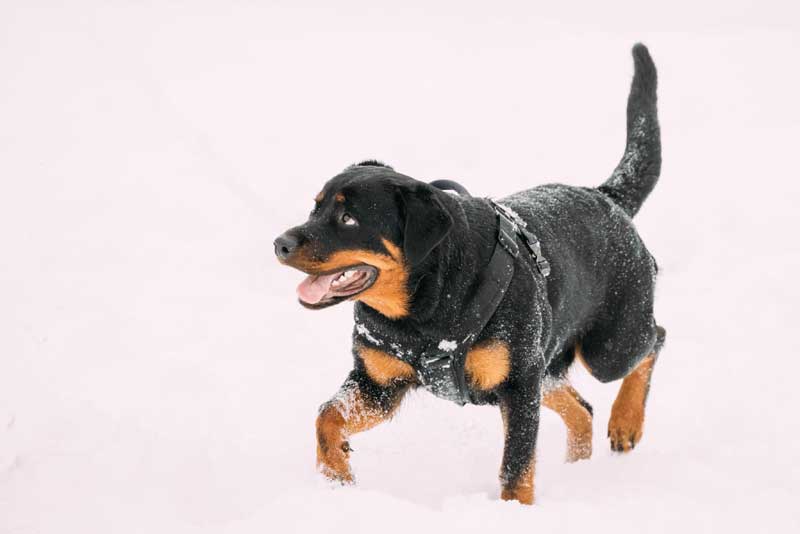
This Rottweiler dog breed guide covers everything US pet owners should know before bringing home one of the world’s most powerful and loyal dogs. The Rottweiler is known for its protective instincts, confidence, and deep loyalty to its family.
Originally bred for guarding and working, Rottweilers are intelligent and highly trainable. But they’re not the right fit for every household. Their strength, energy, and protective nature mean they need proper training and socialization from an early age. This article follows your uploaded breed profile structure.
Quick Breed Overview
| Trait | Details |
|---|---|
| Origin | Germany |
| Breed Group | Working |
| Height | 22–27 inches |
| Weight | 80–135 lbs |
| Lifespan | 8–10 years |
| Coat Type | Short, dense |
| Temperament | Loyal, confident, protective |
| Grooming | Low to moderate |
| Family Friendly | Yes (trained) |
| Apartment Friendly | Not ideal |
Key Characteristics
Energy Level
Rottweilers are energetic but not hyperactive. They need structured exercise daily.
Trainability
Extremely intelligent. They learn commands quickly but need a confident owner.
Friendliness
Very affectionate with family. Reserved around strangers.
Shedding
Moderate year-round, heavier in seasonal changes.
Breed History
The Rottweiler dates back to Roman times, where mastiff-type dogs were used to herd livestock and guard camps. The breed later developed in the German town of Rottweil, which gave it its name.
Rottweilers became known as “butcher’s dogs” because they pulled carts and protected livestock. In modern America, they serve as family guardians, police dogs, and service animals.
Temperament & Personality
Rottweilers are naturally protective. They form strong bonds with their owners and can be very affectionate at home.
They are:
- Calm when properly trained
- Highly observant
- Protective of children
- Confident around their environment
- Territorial if poorly socialized
A well-trained Rottweiler is gentle, steady, and obedient. A neglected one can become stubborn and overly dominant.
Training & Socialization
Start Early
Rottweiler puppies must begin socialization as early as 8 weeks.
Expose them to:
- New people
- Other dogs
- Sounds
- Car rides
- Public spaces
Best Training Methods
Use:
- Positive reinforcement
- Treat-based training
- Obedience classes
- Consistent leadership
Avoid harsh punishment. Rottweilers respond best to calm but firm leadership.
Is This Breed Right for You?
Choose a Rottweiler if:
✅ You want a protective family dog
✅ You can exercise daily
✅ You can commit to training
✅ You have space
✅ You want a loyal companion
Avoid if:
❌ You want a low-maintenance dog
❌ You travel frequently
❌ You don’t enjoy training
❌ You are uncomfortable handling large dogs
Care & Maintenance
Exercise
Rottweilers need:
- 60–90 minutes daily
- Walks
- Strength games
- Obedience work
- Mental stimulation
Grooming
Weekly brushing is usually enough.
Routine includes:
- Nail trimming: Large, powerful dogs need regular nail care, so choosing one of the best dog nail clippers can make trimming safer and easier.
- Ear cleaning
- Dental care
- Bathing every 6–8 weeks: Using the best dog shampoo formulated for your dog’s skin type helps keep the coat clean without stripping away natural oils. After bath time, using one of the best dog hair dryers can help dry your Rottweiler’s thick coat more quickly while reducing the risk of skin irritation. For step-by-step instructions, read our complete dog bathing guide to make bath time easier and less stressful.
If you prefer grooming at home, a complete dog grooming kit gives you all the essential tools needed to keep your Rottweiler looking its best.
Common Health Problems
The Rottweiler can face several health issues:
Hip Dysplasia
Common in large breeds.
Elbow Dysplasia
Joint instability causing pain.
Heart Disease
Subaortic stenosis can affect the breed.
Cancer
Bone cancer is unfortunately more common.
Obesity
Overfeeding reduces lifespan significantly.
Regular vet visits and maintaining healthy weight are critical. If your Rottweiler frequently scratches, licks its paws, or develops recurring ear infections, our dog allergy guide explains common causes and treatment options.
Diet & Nutrition
High-quality AAFCO-approved food is recommended. Choosing one of the best dog foods for large breeds can help your Rottweiler maintain a healthy weight and support strong joints throughout its life.
Popular US options:
- Purina Pro Plan
- Blue Buffalo
- Hill’s Science Diet
Feeding Schedule
Puppy
- 3 meals/day
Adult
- 2 meals/day
Portion
Adults often eat:
- 4–6 cups/day depending on weight and activity
Fresh water must always be available.
Price & Cost in the US
Initial Cost
| Type | Price |
|---|---|
| Breeder | $1,200–$3,500 |
| Adoption | $150–$500 |
Monthly Cost
| Expense | Estimate |
|---|---|
| Food | $70–$120 |
| Insurance | $40–$80 |
| Vet | $50+ |
| Grooming | $25–$60 |
Annual Estimate
Expect:
$1,800–$3,500+
Pros & Cons
Pros
- Highly loyal
- Protective
- Intelligent
- Strong family bond
- Great watchdog
Cons
- Needs training
- Strong prey drive
- Large size
- Can become aggressive if neglected
- Not beginner-friendly
Common Mistakes Owners Make
- Skipping early socialization
- Not training consistently
- Overfeeding
- Too little exercise
- Poor leash discipline
- Encouraging guarding behavior incorrectly
Best For
Rottweilers are ideal for:
- Active families
- Experienced dog owners
- Homes with fenced yards
- Security-minded households
- People who enjoy training dogs
FAQ
Are Rottweilers good family dogs?
Yes, when trained and socialized, they are excellent family companions.
Are Rottweilers aggressive?
Not naturally. Poor training often causes behavioral issues.
How long do Rottweilers live?
Usually 8–10 years.
Can Rottweilers live in apartments?
Possible, but not ideal unless exercised heavily.
Do Rottweilers bark a lot?
No. They usually bark only when alerting.
Final Thoughts
The Rottweiler is powerful, intelligent, and deeply devoted. For the right owner, it becomes one of the most loyal companions you can have.
But this breed demands responsibility. Training, exercise, and leadership are essential. If you can commit, a Rottweiler will reward you with unmatched loyalty and protection.
Want to keep your Rottweiler looking and feeling its best year-round? Explore our Dog Grooming Guide for a complete grooming routine, including brushing, bathing, nail care, and coat maintenance tips.
Healthy skin is just as important as a healthy coat. If your Rottweiler experiences itching, dryness, or seasonal skin problems, our Dog Skin Care Guide offers practical tips to keep their skin in excellent condition.
Since Rottweilers shed moderately throughout the year, choosing one of the Best Dog Brushes can make weekly grooming easier while helping reduce loose hair around your home.