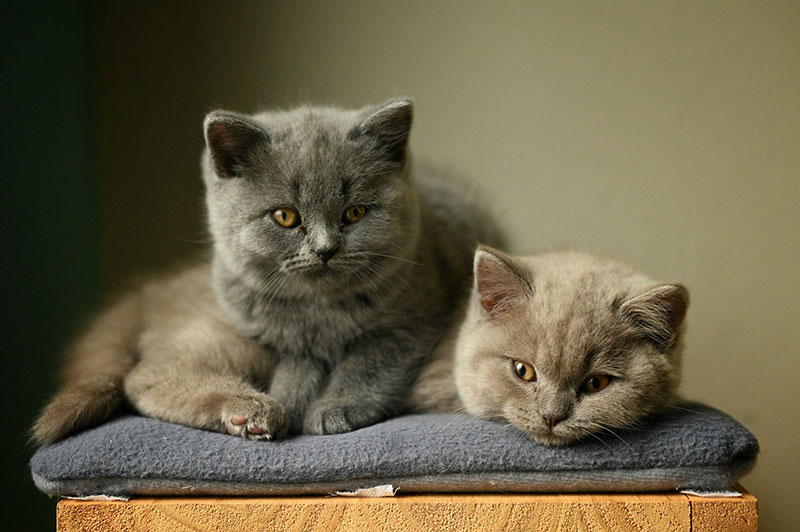
The British Shorthair is one of the most popular cat breeds in the United States thanks to its plush coat, calm personality, and adorable round face. Known for being affectionate without being overly demanding, this breed makes an excellent companion for families, singles, seniors, and apartment dwellers alike.
In this complete British Shorthair Cat Guide, you’ll learn everything you need to know about their personality, grooming needs, health concerns, feeding requirements, and average price in the US. If you’re considering adding a British Shorthair to your home, this article will help you decide whether this charming feline is the perfect fit.
Quick Breed Overview
| Trait | Details |
|---|---|
| Breed Name | British Shorthair |
| Origin | United Kingdom |
| Size | Medium to Large |
| Weight | 7–17 lbs |
| Lifespan | 12–20 years |
| Temperament | Calm, Loyal, Gentle |
| Coat Type | Dense, Plush, Short |
| Grooming Needs | Moderate |
| Shedding | Moderate |
| Energy Level | Low to Moderate |
| Family Friendly | Excellent |
| Apartment Friendly | Excellent |
| Good With Kids | Yes |
| Good With Other Pets | Usually Yes |
| Intelligence | High |
| Vocalization | Low |
Key Characteristics of the British Shorthair
Calm and Easygoing
British Shorthairs are famous for their relaxed personality. Unlike highly energetic breeds such as the Siamese Cat, they tend to enjoy quiet environments and predictable routines.
Loyal but Independent
These cats form strong bonds with their owners but usually avoid clingy behavior. They enjoy being near people rather than constantly sitting on laps.
Plush Teddy Bear Appearance
The breed’s round eyes, thick coat, broad chest, and chubby cheeks make them resemble stuffed animals. The blue-gray color is the most iconic variation, though British Shorthairs come in many colors and patterns.
Great Indoor Cats
Because of their calm nature and moderate exercise needs, British Shorthairs thrive as indoor cats in apartments and suburban homes.
British Shorthair Breed History
The British Shorthair is one of the oldest natural cat breeds in the world. Their ancestors were believed to have been brought to Britain by Roman invaders over 2,000 years ago. These cats were initially valued for their excellent hunting skills, especially in controlling rodents.
Over time, breeders refined the appearance of the British Shorthair into the sturdy, plush-coated companion we know today. The breed nearly disappeared during World War II, but dedicated breeding programs helped restore its population.
To strengthen the breed, British Shorthairs were crossed with breeds like the Persian Cat, which contributed to their dense coat and rounded facial features.
Today, the British Shorthair is recognized by major cat organizations including:
- Cat Fanciers’ Association (CFA)
- The International Cat Association (TICA)
- American Cat Fanciers Association (ACFA)
Temperament & Personality
Affectionate Without Being Demanding
British Shorthairs are loving cats, but they usually dislike being carried excessively. They prefer gentle affection and companionship on their own terms.
Excellent Family Cats
Their patient and tolerant personality makes them great companions for children. They are less reactive than many other breeds and usually handle noise and activity well.
Good With Other Pets
British Shorthairs generally coexist peacefully with other cats and cat-friendly dogs. Early socialization helps ensure smooth introductions.
Families who already own a Ragdoll or Maine Coon often find British Shorthairs compatible due to their similarly gentle personalities.
Quiet and Well-Mannered
Unlike some vocal breeds, British Shorthairs are usually quiet. They communicate softly and rarely demand constant attention.
Intelligent but Not Hyperactive
These cats are smart and observant but less mischievous than highly active breeds. Puzzle toys and interactive play sessions help keep them mentally stimulated.
Training & Socialization
Are British Shorthairs Easy to Train?
Yes. British Shorthairs are intelligent and capable of learning routines quickly. While they may not perform tricks as enthusiastically as dogs, they respond well to positive reinforcement.
Litter Box Training
Most British Shorthair kittens learn litter habits quickly due to their naturally clean behavior.
Socialization Tips
Expose kittens early to:
- Children
- Household sounds
- Visitors
- Other pets
- Grooming routines
Early socialization helps them become confident adult cats.
Avoid Harsh Discipline
British Shorthairs are sensitive to tone and routine changes. Positive reinforcement with treats and praise works much better than punishment.
Is the British Shorthair Right for You?
The British Shorthair may be ideal if you:
- Want a calm indoor cat
- Live in an apartment or smaller home
- Prefer a low-maintenance personality
- Have children or other pets
- Work during the day and need an independent cat
This breed may not be ideal if you:
- Want a highly active or playful cat
- Prefer constant cuddling
- Want a very vocal companion
Care & Maintenance
Grooming Needs
Although the British Shorthair has short fur, its coat is extremely dense and plush.
Grooming Routine
- Brush 2–3 times weekly
- Increase brushing during seasonal shedding
- Trim nails every 2–3 weeks
- Clean ears regularly
- Brush teeth several times weekly
Compared to long-haired breeds like the Persian Cat, grooming is much easier and less time-consuming.
Exercise Requirements
British Shorthairs are moderately active. Without enough playtime, they can become overweight.
Recommended activities:
- Wand toys
- Puzzle feeders
- Laser toys
- Cat trees
- Interactive play sessions
Aim for 15–20 minutes of active play daily.
Living Conditions
These cats adapt well to:
- Apartments
- Condos
- Large homes
- Quiet households
- Families with children
They prefer stable indoor environments and should generally remain indoors for safety.
Common Health Problems
British Shorthairs are generally healthy, but like all breeds, they are prone to certain conditions.
Hypertrophic Cardiomyopathy (HCM)
This heart disease affects many cat breeds and can sometimes occur in British Shorthairs.
Prevention Tips
- Regular veterinary checkups
- Genetic testing from reputable breeders
- Healthy weight management
Obesity
Because they are less active, British Shorthairs can gain weight easily.
Prevention
- Portion-controlled meals
- Daily exercise
- Avoid excessive treats
Dental Disease
Dental issues are common in cats and can lead to infections or tooth loss.
Prevention
- Dental treats
- Tooth brushing
- Regular dental exams
Polycystic Kidney Disease (PKD)
Due to historical breeding with Persians, some British Shorthairs may inherit PKD.
Responsible breeders screen breeding cats to reduce this risk.
Diet & Nutrition
Proper nutrition is essential for maintaining a healthy British Shorthair.
What Should British Shorthairs Eat?
Choose high-quality, AAFCO-approved cat food with:
- High animal protein
- Moderate fat
- Low fillers
- Essential taurine
Recommended Feeding Schedule
Kittens
- 3–4 meals daily
Adults
- 2 balanced meals daily
Seniors
- Age-specific diet with lower calories
Popular US Cat Food Brands
Many US owners choose:
Some formulas are specifically designed for British Shorthair body structure and weight control.
Wet Food vs Dry Food
Wet food helps maintain hydration and supports urinary health. A combination of wet and dry food often works best.
British Shorthair Price & Cost in the US
Kitten Price
A British Shorthair kitten from a reputable US breeder typically costs:
| Source | Price Range |
|---|---|
| Reputable Breeder | $1,200–$3,000 |
| Show Quality | $3,000–$5,000+ |
| Adoption/Rescue | $100–$500 |
Monthly Expenses
| Expense | Estimated Cost |
|---|---|
| Food | $40–$80 |
| Litter | $20–$40 |
| Insurance | $20–$50 |
| Vet Care | $20–$60 |
| Toys & Supplies | $15–$30 |
Annual Cost Estimate
Most owners spend between:
$800–$2,000 per year
Pet insurance can help reduce unexpected veterinary expenses.
Pros & Cons of the British Shorthair
Pros
- Calm and affectionate
- Great for apartments
- Good with children
- Quiet personality
- Easy grooming compared to long-haired breeds
- Independent yet loving
Cons
- Can become overweight easily
- May dislike excessive handling
- Expensive from reputable breeders
- Moderate shedding
- Less playful than active breeds
Common Mistakes New Owners Make
Overfeeding
British Shorthairs gain weight easily due to their stocky build and moderate activity level.
Skipping Playtime
Even calm cats need mental stimulation and exercise.
Buying From Irresponsible Breeders
Poor breeding practices increase risks of:
- Heart disease
- Kidney disease
- Behavioral issues
Always ask breeders for health testing records.
Ignoring Dental Care
Dental hygiene is often overlooked until serious problems develop.
Best Homes for British Shorthairs
British Shorthairs are best suited for:
- Families with children
- Apartment dwellers
- Seniors
- Busy professionals
- Multi-pet households
They’re especially good for first-time cat owners who want a relaxed and low-drama companion.
British Shorthair vs Other Popular Cat Breeds
British Shorthair vs Siamese
The Siamese Cat is much more vocal and energetic, while the British Shorthair is calmer and quieter.
British Shorthair vs Maine Coon
The Maine Coon is larger and more playful. British Shorthairs are typically more independent and lower energy.
British Shorthair vs Persian
Compared to the Persian Cat, British Shorthairs require less grooming and have fewer coat maintenance needs.
British Shorthair vs Ragdoll
The Ragdoll tends to be more cuddly and people-oriented, while British Shorthairs are more reserved and independent.
Frequently Asked Questions
Are British Shorthair cats good pets?
Yes. British Shorthairs are gentle, calm, and adaptable, making them excellent pets for many households.
Do British Shorthairs like to cuddle?
Some enjoy cuddling, but many prefer sitting beside their owners rather than being held constantly.
Are British Shorthairs hypoallergenic?
No. They still produce allergens and shed moderately.
How long do British Shorthair cats live?
With proper care, they often live between 12–20 years.
Are British Shorthairs good with dogs?
Yes, especially when introduced slowly to calm, cat-friendly dogs.
Do British Shorthairs require a lot of grooming?
No. Weekly brushing is usually enough to maintain their coat.
Final Thoughts
The British Shorthair is an outstanding breed for cat lovers seeking a calm, affectionate, and low-maintenance companion. Their plush appearance, easygoing temperament, and adaptability make them one of the best indoor cats for American households.
While they may not be as energetic or attention-seeking as some breeds, their quiet loyalty and charming personality win over countless owners every year.
Before bringing one home, be sure to choose a reputable breeder or rescue organization and prepare for a long-term commitment to their health, nutrition, and happiness.
If you’re searching for a relaxed feline companion with teddy-bear looks and a loving personality, the British Shorthair could be the perfect addition to your family.