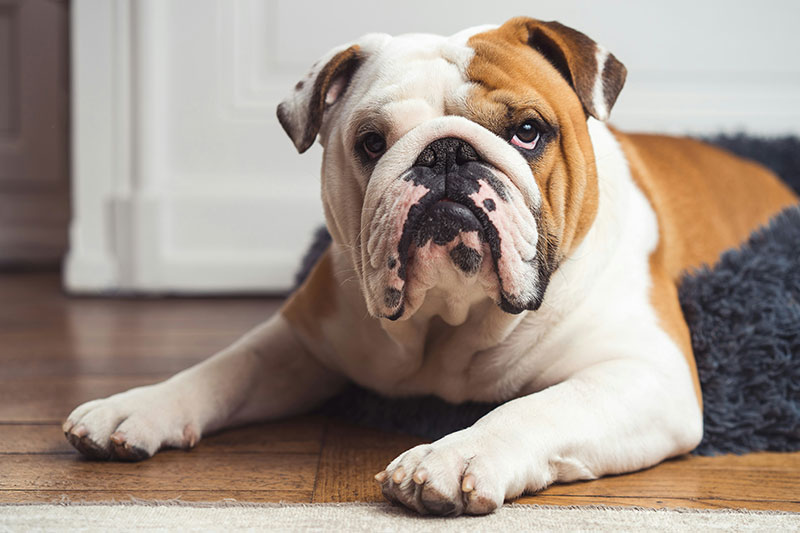
The Bulldog is one of the most recognizable dog breeds in America. Known for its wrinkled face, muscular build, and calm personality, the Bulldog has become a favorite companion for families, apartment owners, and first-time dog parents alike.
Despite their tough appearance, Bulldogs are affectionate, loyal, and surprisingly gentle. They enjoy relaxing with their owners and are often described as low-energy couch companions that thrive on human attention.
In this Bulldog Complete Guide, you’ll learn everything about the breed including temperament, training, grooming, health issues, feeding, and the average Bulldog price in the US. Whether you’re planning to adopt a Bulldog puppy or simply researching the breed, this guide will help you decide if this lovable dog is right for your lifestyle.
Quick Breed Overview
| Trait | Details |
|---|---|
| Breed Name | Bulldog |
| Origin | England |
| Size | Medium |
| Weight | 40–55 lbs |
| Lifespan | 8–10 years |
| Temperament | Calm, Loyal, Friendly |
| Coat Type | Short, Smooth |
| Grooming Needs | Low to Moderate |
| Exercise Needs | Low |
| Family Friendly | Excellent |
| Apartment Friendly | Yes |
| Trainability | Moderate |
| Good With Kids | Yes |
| Good With Other Pets | Usually Yes |
| Shedding | Moderate |
Key Characteristics of the Bulldog
Calm and Relaxed Personality
Unlike highly energetic breeds, Bulldogs are naturally relaxed and easygoing. They love lounging around the house and spending time with their family. This makes them excellent pets for apartment living or less active households.
Extremely Loyal
Bulldogs form strong emotional bonds with their owners. They enjoy companionship and often follow family members from room to room.
Great Family Dog
Bulldogs are known for being patient and gentle with children. Their calm temperament makes them one of the best family-friendly breeds in the US.
Moderate Shedding
Although Bulldogs have short coats, they still shed throughout the year. Weekly brushing helps reduce loose hair.
Stubborn but Intelligent
Bulldogs are smart dogs, but they can also be stubborn during training. Consistency and positive reinforcement work best.
Breed History
The Bulldog originated in England several centuries ago. Early Bulldogs were originally bred for bull-baiting, a cruel sport where dogs fought bulls for entertainment. These dogs were fearless, muscular, and incredibly strong.
When bull-baiting was banned in the 1800s, breeders began developing a calmer and more affectionate version of the Bulldog. Over time, the aggressive traits were reduced, resulting in the loving companion breed we know today.
Modern Bulldogs are gentle household pets that symbolize determination and resilience. In the United States, Bulldogs are among the most popular dog breeds because of their unique appearance and friendly nature.
Temperament & Personality
Affectionate and Loving
Bulldogs thrive on human companionship. They enjoy cuddling, relaxing near their owners, and being included in family activities.
Good With Children
Bulldogs are patient and tolerant with kids. They are not overly energetic, which reduces the risk of rough play accidents.
Friendly With Guests
Most Bulldogs are social dogs that greet visitors calmly. Early socialization helps them become even more confident around strangers.
Can Be Stubborn
Bulldogs like doing things at their own pace. Training requires patience, consistency, and rewards.
Moderate Protective Instinct
While not aggressive guard dogs like the Rottweiler or German Shepherd, Bulldogs will often alert owners when someone unfamiliar approaches.
Training & Socialization
Start Training Early
Bulldog puppies should begin training and socialization as early as possible. Early exposure to people, sounds, and environments helps prevent stubborn or fearful behavior.
Use Positive Reinforcement
Bulldogs respond best to:
- Treat rewards
- Praise
- Short training sessions
- Consistency
Harsh corrections can make them resistant and uncooperative.
Focus on Basic Commands
Important commands include:
- Sit
- Stay
- Come
- Leave it
- Heel
Socialization Is Essential
Introduce your Bulldog to:
- Other dogs
- Children
- Visitors
- Public environments
This helps build confidence and prevents territorial behavior.
Crate Training Helps
Bulldogs generally respond well to crate training because they enjoy secure resting spaces.
Is This Breed Right for You?
A Bulldog may be the perfect dog if you:
- Want a calm indoor companion
- Live in an apartment or small home
- Prefer low exercise requirements
- Have children
- Want an affectionate family dog
A Bulldog may NOT be ideal if you:
- Want a highly athletic dog
- Live in extremely hot climates
- Prefer a dog with fewer health concerns
- Have very limited veterinary budgets
Care & Maintenance
Grooming Needs
Bulldogs have short coats that are easy to maintain. Not sure how often or how to bathe your Bulldog? Follow our step-by-step Dog Bathing Guide for safe bathing tips and best practices. New to caring for a Bulldog? Start with our complete Dog Grooming Guide for grooming routines, tools, and maintenance tips for every breed.
Grooming Checklist
- Brush once weekly. Using the right brush helps reduce shedding and keeps your Bulldog’s coat looking healthy. See our recommendations for the Best Dog Brushes.
- Clean wrinkles daily
- Trim nails monthly. Keeping your Bulldog’s nails short is important for healthy joints and comfortable movement. See our picks for the Best Dog Nail Clippers to make nail trimming easier.
- Clean ears regularly
- Brush teeth several times weekly
If you bathe your Bulldog at home, our guide to the Best Dog Hair Dryers can help you choose a dryer that’s safe, quiet, and gentle on short-coated breeds.
Wrinkle Cleaning Is Important
The folds around a Bulldog’s face can trap moisture and bacteria. Owners must clean and dry wrinkles regularly to avoid infections.
Using a gentle shampoo helps keep your Bulldog’s sensitive skin and coat healthy. Read our guide to the Best Dog Shampoo for veterinarian-recommended options.
Exercise Requirements
Bulldogs require moderate daily activity:
- 20–40 minute walks
- Indoor play
- Light outdoor activity
Avoid excessive exercise, especially in hot weather.
Heat Sensitivity
Bulldogs are highly sensitive to heat because of their short snouts. Always provide:
- Shade
- Fresh water
- Air conditioning during summer
- Never leave a Bulldog in a parked car.
Want everything you need in one package? Our review of the Best Dog Grooming Kits covers complete grooming sets perfect for Bulldog owners.
Common Health Problems
Like many flat-faced breeds, Bulldogs are prone to several health conditions.
Brachycephalic Airway Syndrome
Bulldogs often experience breathing difficulties due to their short noses and compact skulls.
Symptoms:
- Snoring
- Heavy breathing
- Heat intolerance
- Exercise intolerance
Hip Dysplasia
This condition affects the hip joints and may lead to pain or mobility issues.
Skin Fold Infections
Wrinkles can trap moisture, leading to bacterial or yeast infections. Because Bulldogs have sensitive skin and facial folds, regular skin care is essential. Our Dog Skin Care Guide explains how to prevent irritation and infections.
Cherry Eye
Bulldogs may develop a red swelling near the eye that sometimes requires surgery.
Obesity
Bulldogs gain weight easily because of their low activity levels.
Importance of Vet Care
Routine veterinary checkups are essential for:
- Weight management
- Dental care
- Skin health
- Breathing evaluations
Pet insurance is highly recommended for Bulldogs in the US because medical costs can become expensive.
Bulldogs can be prone to skin allergies and environmental sensitivities. Learn how to recognize the warning signs in our Dog Allergy Guide.
Diet & Nutrition
A healthy diet is extremely important for Bulldogs because obesity worsens breathing and joint problems.
Choose High-Quality Dog Food
Look for:
- AAFCO-approved formulas
- High protein content
- Balanced fat levels
- Joint-support ingredients
Recommended US Dog Food Brands
Popular options include:
Need help choosing the right food? Check out our Best Dog Foods guide to compare top-rated formulas for Bulldogs and other breeds.
Feeding Schedule
Bulldog Puppies
- 3–4 meals daily
Adult Bulldogs
- 2 meals daily
Portion Control Matters
Most adult Bulldogs require approximately:
- 1.5–2.5 cups of food daily
Portions depend on:
- Age
- Weight
- Activity level
- Health conditions
Avoid Overfeeding
Limit:
- Table scraps
- Excessive treats
- High-fat foods
Obesity is one of the biggest health risks for Bulldogs.
Bulldog Price & Ownership Cost (US)
Bulldog Puppy Price
The average Bulldog puppy price in the US ranges between:
- $1,500–$4,500
Show-quality Bulldogs from reputable breeders may cost even more.
Adoption Cost
Adopting from a rescue usually costs:
- $200–$700
Adoption is often the more affordable option.
Monthly Expenses
Typical monthly Bulldog ownership costs include:
- Food: $50–$100
- Grooming: $20–$50
- Vet care: $50–$150
- Insurance: $40–$100
Annual Cost Estimate
The average yearly cost of owning a Bulldog is approximately:
- $1,500–$4,000+
Health-related expenses can significantly increase costs.
Pros & Cons of Owning a Bulldog
Pros
- Extremely affectionate
- Great with families
- Low exercise requirements
- Apartment friendly
- Loyal companion
- Minimal grooming needs
Cons
- Expensive medical care
- Heat sensitive
- Breathing issues
- Stubborn during training
- Shorter lifespan
- Can snore loudly
Common Mistakes New Bulldog Owners Make
Overexercising in Hot Weather
Bulldogs can overheat quickly. Many owners underestimate how dangerous heat can be for this breed.
Ignoring Wrinkle Cleaning
Failure to clean facial folds may lead to painful infections.
Overfeeding
Bulldogs gain weight easily, which worsens breathing and joint problems.
Buying From Unethical Breeders
Poor breeding practices can increase the risk of severe health conditions. Always choose responsible breeders or adoption organizations.
Skipping Socialization
Without proper socialization, Bulldogs may become stubborn or fearful.
Best For
Bulldogs are best suited for:
- Families with children
- Apartment dwellers
- First-time dog owners
- Seniors
- Moderate or low-activity households
They are less suitable for:
- Extremely active owners
- Outdoor-only living
- Very hot climates
FAQ Section
Are Bulldogs good family dogs?
Yes. Bulldogs are affectionate, patient, and excellent with children, making them one of the best family dog breeds.
Do Bulldogs bark a lot?
No. Bulldogs are generally quiet dogs and do not bark excessively.
Are Bulldogs easy to train?
Bulldogs are intelligent but stubborn. Positive reinforcement and consistency are important.
How long do Bulldogs live?
Most Bulldogs live between 8–10 years with proper care and regular veterinary visits.
Do Bulldogs shed?
Yes. Bulldogs shed moderately year-round despite their short coats.
Can Bulldogs live in apartments?
Absolutely. Bulldogs are one of the best apartment-friendly dog breeds because of their calm personality and low exercise needs.
Final Thoughts
The Bulldog is a loving, loyal, and relaxed companion that fits beautifully into many American households. While Bulldogs do require special attention regarding health and heat sensitivity, their affectionate personality and calm nature make them incredibly rewarding pets.
With proper nutrition, responsible breeding, routine veterinary care, and daily companionship, a Bulldog can become a wonderful lifelong family member.
If you’re looking for a gentle, easygoing dog that loves spending time with its family, the Bulldog may be the perfect breed for you.
Looking for more helpful dog breed guides and pet care tips? Explore our related articles on the German Shepherd, Labrador Retriever, Golden Retriever, and Rottweiler to find the perfect dog for your lifestyle.