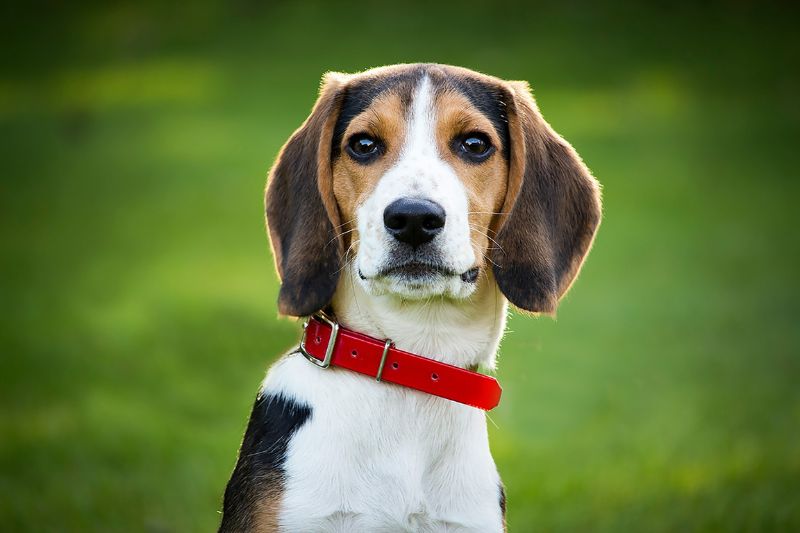
The Beagle Dog Breed Guide is one of the most searched resources among dog lovers in the United States, and for good reason. Beagles are friendly, intelligent, energetic, and excellent family companions. Originally bred as scent hounds, they possess an incredible sense of smell and a curious personality that keeps owners entertained.
Whether you’re considering bringing home a Beagle puppy or simply want to learn more about this beloved breed, this comprehensive guide covers everything from temperament and training to health concerns, diet, and ownership costs.
Quick Breed Overview
| Trait | Details |
|---|---|
| Origin | England |
| Breed Group | Hound |
| Size | Small to Medium |
| Weight | 20–30 lbs |
| Height | 13–15 inches |
| Lifespan | 10–15 years |
| Temperament | Friendly, Curious, Gentle |
| Energy Level | High |
| Coat Type | Short, Dense Double Coat |
| Shedding | Moderate |
| Grooming Needs | Low |
| Family Friendly | Excellent |
| Apartment Friendly | Moderate |
| Good with Children | Excellent |
| Good with Other Pets | Very Good |
Key Characteristics of the Beagle
Energy Level: High
Beagles are active dogs that require daily exercise. Their hunting background means they enjoy exploring, sniffing, and staying busy.
Trainability: Moderate
While intelligent, Beagles can be stubborn due to their strong scent-driven instincts. Consistency is essential during training.
Friendliness: Excellent
Few breeds are as sociable as the Beagle. They generally get along well with children, strangers, and other pets.
Shedding: Moderate
Although their coat is short, Beagles shed throughout the year and benefit from weekly brushing.
Breed History
The history of the Beagle dates back several centuries. Small scent hounds similar to modern Beagles existed in England as early as the 1300s. Hunters valued these dogs for tracking rabbits and hares over long distances.
The modern Beagle was developed in the 1800s when breeders focused on improving hunting ability while maintaining a manageable size. The breed eventually gained popularity in America, where it became one of the most beloved family dogs.
Today, Beagles are still used in hunting and detection work. In fact, their extraordinary noses make them valuable for agricultural inspections and scent detection programs.
For more information about breed standards, visit the official website of the American Kennel Club (AKC).
Beagle Temperament & Personality
One reason this Beagle Dog Breed Guide remains popular is the breed’s outstanding personality.
Beagles are known for being:
- Friendly
- Affectionate
- Playful
- Curious
- Gentle
- Loyal
They thrive on companionship and dislike being left alone for long periods. If neglected, they may develop destructive behaviors such as excessive barking or chewing.
Beagles and Children
Beagles are among the best family dogs available. Their patient and playful nature makes them excellent companions for children of all ages.
Beagles and Other Pets
Most Beagles get along well with other dogs due to their pack-oriented background. Early socialization helps them coexist peacefully with cats and smaller pets.
Intelligence
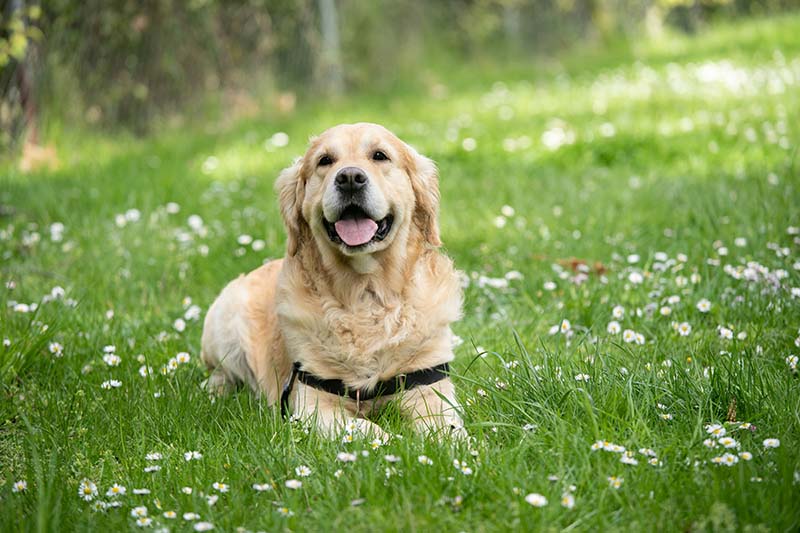
Although Beagles are smart, they often prioritize following scents over obeying commands. This independent streak can make training more challenging than breeds like the Golden Retriever.
Training & Socialization
Training a Beagle requires patience and consistency.
Start Early
Begin training as soon as your puppy arrives home. Early training helps establish boundaries and prevents bad habits from forming.
Positive Reinforcement Works Best
Beagles respond exceptionally well to:
- Treat rewards
- Praise
- Toys
- Play sessions
Avoid harsh corrections, as they can damage trust and reduce training effectiveness.
Socialization
Expose your Beagle puppy to:
- Different people
- Other dogs
- New environments
- Various sounds
Early socialization builds confidence and reduces anxiety.
Recall Training Is Essential
Because Beagles are scent hounds, they may ignore commands when they detect an interesting smell. Practice recall regularly and use secure fenced areas whenever possible.
Is the Beagle Right for You?
A Beagle may be a great choice if you:
✓ Want a friendly family dog
✓ Enjoy daily walks and outdoor activities
✓ Have children
✓ Prefer a medium-sized breed
✓ Can provide companionship
A Beagle may not be ideal if you:
✗ Are away from home for long hours
✗ Want a quiet dog
✗ Prefer an off-leash companion
✗ Dislike shedding
Care & Maintenance
Proper care helps your Beagle live a happy and healthy life.
Grooming
The Beagle’s short coat is relatively easy to maintain.
Grooming Routine
- Brush once weekly
- Clean ears regularly
- Trim nails every 3–4 weeks
- Brush teeth several times weekly
Ear Care
Because their ears hang down, moisture can become trapped inside, increasing the risk of infections.
Exercise Requirements
Beagles need at least:
60–90 minutes of exercise daily
Activities include:
- Walks
- Hiking
- Fetch
- Scent games
- Puzzle toys
Without sufficient exercise, Beagles can become bored and destructive.
Living Conditions
While adaptable, Beagles do best in homes where they receive plenty of interaction and activity.
A securely fenced yard is ideal because Beagles frequently follow scents and may wander off.
Common Health Problems
Like all breeds, Beagles can be prone to certain health conditions.
1. Obesity
Beagles love food and can easily gain weight if overfed.
Prevention:
- Portion control
- Daily exercise
- Healthy treats
2. Ear Infections
Their floppy ears create a warm environment where bacteria can thrive.
Prevention:
- Weekly ear checks
- Regular cleaning
3. Hip Dysplasia
This joint condition can affect mobility later in life.
Prevention:
- Maintain healthy weight
- Purchase from reputable breeders
4. Epilepsy
Some Beagles may develop seizure disorders that require veterinary management.
5. Hypothyroidism
Low thyroid function can lead to weight gain and lethargy.
Routine veterinary visits are crucial for early detection and treatment.
The American Veterinary Medical Association (AVMA) offers excellent pet health resources for dog owners.
Diet & Nutrition
Nutrition plays a major role in your Beagle’s overall health.
Choose AAFCO-Approved Foods
Look for foods that meet standards established by the Association of American Feed Control Officials (AAFCO).
Recommended Feeding Schedule
Puppies
- 3–4 meals daily
Adults
- 2 meals daily
Portion Guidelines
Most adult Beagles require approximately:
- 1 to 1.5 cups of quality dry food per day
Portions vary based on:
- Age
- Activity level
- Weight
- Health status
Popular US Dog Food Brands
Always consult your veterinarian before making significant dietary changes.
Beagle Price & Cost in the US
Initial Purchase Price
Reputable Breeder
$800–$2,500
Adoption
$100–$500
Adoption is often the most affordable option and provides a loving home to a dog in need.
Monthly Ownership Costs
| Expense | Monthly Cost |
|---|---|
| Food | $40–$80 |
| Grooming | $10–$30 |
| Toys & Treats | $15–$40 |
| Pet Insurance | $25–$60 |
| Routine Care | $20–$50 |
Estimated Monthly Total
$110–$260
Annual Ownership Cost
Most owners spend approximately:
$1,500–$3,500 per year
depending on healthcare needs and lifestyle.
Pros & Cons of Owning a Beagle
Pros
- Excellent family companion
- Friendly with children
- Good with other dogs
- Moderate size
- Minimal grooming needs
- Intelligent and entertaining
Cons
- Can be stubborn
- Prone to excessive barking
- Strong prey drive
- Requires significant exercise
- Sheds year-round
- Dislikes being alone
Common Mistakes New Owners Make
Overfeeding
Many Beagles become overweight due to excessive treats and table scraps.
Ignoring Exercise Needs
A bored Beagle often develops unwanted behaviors.
Poor Recall Training
Owners frequently underestimate the breed’s tendency to follow scents.
Skipping Socialization
Early socialization helps prevent fearfulness and improves confidence.
Leaving Them Alone Too Often
Beagles thrive on companionship and can experience separation anxiety.
Best For
The Beagle is best suited for:
- Families with children
- Active individuals
- First-time dog owners
- Multi-pet households
- Suburban homes
Those seeking a calm, low-energy companion may prefer a more relaxed breed such as the Bulldog.
Families wanting a larger, highly trainable dog might also consider the Golden Retriever.
People looking for a protective guardian may prefer the Rottweiler, while apartment dwellers often compare Beagles with the French Bulldog because of their smaller size.
Frequently Asked Questions
Are Beagles good family dogs?
Yes. Beagles are affectionate, gentle, and excellent with children, making them one of the best family dogs.
Do Beagles bark a lot?
Beagles can be vocal and often bark or howl when excited, bored, or following scents.
How much exercise does a Beagle need?
Most Beagles need 60–90 minutes of exercise every day.
Are Beagles easy to train?
They are intelligent but can be stubborn. Positive reinforcement and consistency are key.
Do Beagles shed?
Yes. Beagles shed moderately throughout the year and benefit from weekly brushing.
Can Beagles live in apartments?
Yes, provided they receive sufficient daily exercise and mental stimulation.
Final Thoughts
This Beagle Dog Breed Guide demonstrates why Beagles remain one of America’s most popular dog breeds. Their friendly nature, playful personality, and family-oriented temperament make them excellent companions for households of all sizes.
While they require regular exercise, training, and companionship, the rewards of Beagle ownership far outweigh the challenges. If you’re looking for a loving, energetic, and loyal companion, a Beagle may be the perfect addition to your family.
Explore More Dog Breed Guides
You may also enjoy our guides on:
These related breed profiles can help you compare temperaments, care requirements, and lifestyles before choosing your ideal canine companion.
Ready to welcome a Beagle into your home? Research reputable breeders, consider adoption opportunities, and prepare for years of fun, affection, and adventure with this remarkable breed.