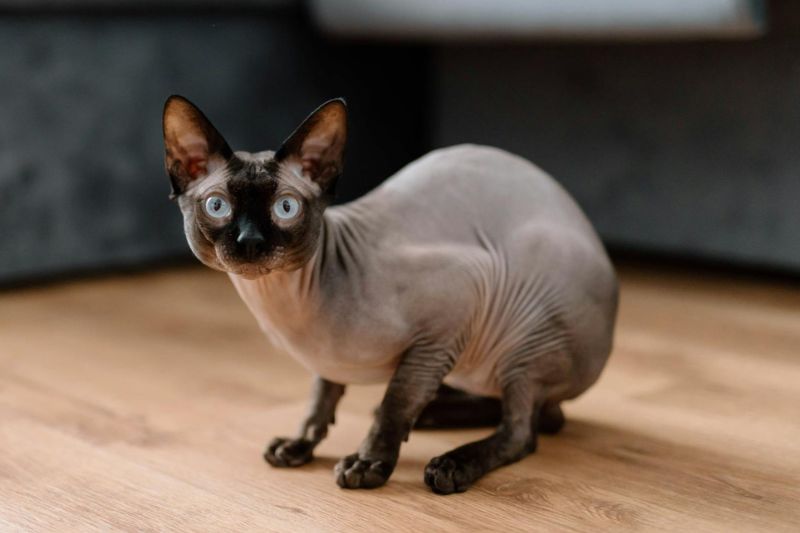
The Sphynx Cat is one of the most recognizable cat breeds in the world. Known for its hairless appearance, wrinkled skin, large ears, and affectionate personality, this unique breed has gained tremendous popularity among cat lovers in the United States.
Despite their lack of fur, Sphynx Cats are not low-maintenance pets. They require regular skin care, a nutritious diet, and plenty of human interaction. In return, they reward owners with unmatched affection, intelligence, and entertaining behavior.
If you’re considering adding a Sphynx Cat to your family, this comprehensive guide covers everything you need to know about temperament, care, health, diet, and ownership costs.
Quick Breed Overview
| Characteristic | Details |
|---|---|
| Breed Name | Sphynx Cat |
| Origin | Canada |
| Size | Medium |
| Weight | 6–14 lbs |
| Lifespan | 9–15 years |
| Coat Type | Hairless (fine peach-fuzz texture) |
| Temperament | Affectionate, Social, Energetic |
| Grooming Needs | Moderate to High |
| Shedding | Very Low |
| Family Friendly | Excellent |
| Apartment Friendly | Excellent |
| Good with Children | Yes |
| Good with Other Pets | Yes |
| Intelligence | High |
Key Characteristics
Affectionate and People-Oriented
The Sphynx Cat is often described as “dog-like” because it follows its owners around the house and seeks constant companionship.
Highly Intelligent
These cats learn routines quickly, understand household patterns, and can even learn simple tricks.
Energetic and Playful
Sphynx Cats remain playful well into adulthood. They enjoy climbing, interactive toys, and puzzle feeders.
Social with Other Pets
Unlike some independent cat breeds, the Sphynx usually gets along well with other cats and cat-friendly dogs.
Attention-Seeking
This breed dislikes being left alone for long periods and thrives in households where someone is home regularly.
Breed History
The modern Sphynx Cat originated in Canada during the 1960s when a naturally occurring genetic mutation resulted in a hairless kitten. Breeders carefully developed the breed through selective breeding programs to maintain health and genetic diversity.
Although many people assume the Sphynx is related to ancient Egyptian cats because of its appearance, the breed is actually a modern creation. Over time, organizations such as the Cat Fanciers’ Association (CFA) and The International Cat Association (TICA) officially recognized the breed.
Today, the Sphynx Cat is one of the most distinctive and sought-after companion cats in the United States.
Temperament & Personality
Extremely Loving
One of the biggest reasons people choose a Sphynx Cat is its affectionate nature. These cats often prefer cuddling under blankets or sitting directly on their owner’s lap.
Curious and Mischievous
Their intelligence and curiosity can lead them into trouble if not provided with enough stimulation. Expect your Sphynx to investigate cabinets, shelves, and anything new brought into the home.
Excellent Family Pet
Families with children often find the Sphynx to be an ideal companion because of its patience and playful personality.
Good with Other Animals
The breed generally adapts well to multi-pet households. If you’re considering adding another feline companion, breeds such as the Ragdoll Cat, Siamese Cat, Bengal Cat, or British Shorthair can often coexist successfully when introduced properly.
Attention Lover
Unlike more independent breeds, the Sphynx thrives on interaction and can become lonely if ignored.
Training & Socialization
Easy to Train
The Sphynx Cat responds exceptionally well to positive reinforcement methods.
Training opportunities include:
- Litter box training
- Clicker training
- Recall training
- Harness walking
- Interactive games
Early Socialization
Expose kittens to:
- Different people
- Household noises
- Children
- Other pets
- Travel carriers
Early exposure helps build confidence and reduces anxiety later in life.
Mental Stimulation
Because of their intelligence, Sphynx Cats benefit from:
- Puzzle feeders
- Cat trees
- Interactive toys
- Food-dispensing toys
- Daily play sessions
Is This Breed Right for You?
A Sphynx Cat may be a good choice if you:
✓ Want a highly affectionate companion
✓ Enjoy interacting with your pet daily
✓ Live in an apartment or house
✓ Have time for regular grooming
✓ Want a social cat
A Sphynx Cat may not be ideal if you:
✗ Are frequently away from home
✗ Prefer a low-maintenance pet
✗ Cannot commit to regular skin care
✗ Live in extremely cold environments without adequate heating
Care & Maintenance
Skin Care
Unlike most cat breeds, the Sphynx Cat does not have fur to absorb natural skin oils. As a result, those oils accumulate on the skin and require regular cleaning. Therefore, most Sphynx Cats benefit from weekly baths using gentle, cat-safe products. In addition, owners should routinely wipe skin folds to prevent irritation and excessive oil buildup.
Ear Cleaning
Another important aspect of Sphynx care is ear hygiene. Because their large ears can collect wax quickly, weekly inspections are recommended. Furthermore, veterinarian-approved ear cleaners can help maintain healthy ears. However, avoid inserting cotton swabs deep into the ear canal.
Nail Care
Regular nail trimming is equally important. Generally, nails should be trimmed every two to four weeks. Doing so helps prevent overgrowth while also reducing dirt accumulation around the nail beds.
Temperature Management
Since the Sphynx Cat lacks an insulating coat, temperature management becomes especially important. During colder months, provide warm bedding and comfortable indoor spaces. Additionally, some cats enjoy wearing soft sweaters if they are introduced gradually.
Exercise Needs
Although Sphynx Cats love to cuddle, they are also highly active. Consequently, daily exercise is essential for both physical and mental health. Interactive toys, climbing trees, and wand games are excellent ways to keep them engaged.
Common Health Problems
Like all purebred cats, the Sphynx Cat can be predisposed to certain genetic and health conditions. Fortunately, responsible breeding practices and routine veterinary care can significantly reduce many risks.
Hypertrophic Cardiomyopathy (HCM)
Most importantly, hypertrophic cardiomyopathy (HCM) is one of the most significant health concerns affecting the breed. This inherited heart disease can develop gradually and may not show symptoms immediately. Therefore, regular cardiac screenings are strongly recommended.
Skin Disorders
In addition to heart-related concerns, some Sphynx Cats experience skin issues. Because oils naturally build up on the skin, conditions such as acne, irritation, and yeast infections may occur. Fortunately, consistent grooming can help minimize these problems.
Dental Disease
Furthermore, dental health should never be overlooked. Without routine dental care, plaque and tartar can accumulate over time. As a result, cats may develop gum disease or tooth loss. Regular brushing and professional cleanings can help maintain oral health.
Respiratory Sensitivity
Some kittens may also be more susceptible to respiratory infections during their early months. Therefore, maintaining a clean environment and scheduling routine veterinary visits is important.
Obesity
Finally, obesity can become an issue if calorie intake exceeds activity levels. Although Sphynx Cats have relatively high metabolisms, portion control remains essential. Consequently, owners should monitor weight regularly and adjust feeding amounts when necessary.
For breed-specific health information, consult resources from the Cornell Feline Health Center.
Diet & Nutrition
The Sphynx Cat has a faster metabolism than many other breeds because it expends additional energy regulating body temperature.
What Should a Sphynx Eat?
Choose foods that meet AAFCO nutritional standards and contain:
- High-quality animal protein
- Healthy fats
- Taurine
- Omega fatty acids
- Essential vitamins and minerals
Feeding Schedule
Kittens
3–4 meals per day
Adults
2–3 meals per day
Seniors
Follow veterinarian recommendations based on activity and health status.
Popular US Cat Food Brands
Fresh water should always be available.
Sphynx Cat Price & Cost in the US
Purchase Price
A Sphynx Cat from a reputable breeder typically costs:
$1,500–$3,500
Show-quality kittens may exceed $4,000.
Adoption Cost
Adoption fees generally range from:
$100–$500
depending on age and rescue organization.
Monthly Costs
| Expense | Estimated Cost |
| Food | $30–$80 |
| Litter | $15–$40 |
| Grooming Supplies | $10–$30 |
| Pet Insurance | $20–$60 |
| Veterinary Care | Variable |
Annual Ownership Cost
Most owners spend approximately:
$800–$2,000+ annually
depending on healthcare and lifestyle choices.
Pros & Cons
Pros
- Extremely affectionate
- Unique appearance
- Low shedding
- Intelligent and trainable
- Great with families
- Social with other pets
Cons
- Requires regular bathing
- Can become lonely
- Sensitive to cold weather
- Higher purchase price
- Prone to certain health conditions
Common Mistakes New Owners Make
Assuming They Are Hypoallergenic
Many people believe hairless cats produce no allergens. However, allergens are primarily found in saliva and skin proteins.
Skipping Baths
Oil accumulation can cause skin problems if bathing is neglected.
Leaving Them Alone Too Often
Sphynx Cats crave companionship and may develop behavioral issues when isolated.
Ignoring Temperature Needs
Cold environments can be uncomfortable and potentially harmful.
Overfeeding
Their enthusiastic appetite can quickly lead to obesity.
Best For
The Sphynx Cat is best suited for:
- Families with children
- Apartment dwellers
- Singles seeking companionship
- Multi-pet households
- Experienced and first-time cat owners willing to provide proper care
Frequently Asked Questions
Are Sphynx Cats completely hairless?
Most Sphynx Cats have a fine peach-fuzz coating that feels similar to suede.
Are Sphynx Cats hypoallergenic?
No. They may produce fewer airborne allergens, but they are not truly hypoallergenic.
Do Sphynx Cats get cold easily?
Yes. Because they lack fur, they are more sensitive to cold temperatures.
How long do Sphynx Cats live?
With proper care, most live between 9 and 15 years.
Are Sphynx Cats good with children?
Yes. They are typically affectionate, patient, and playful with respectful children.
Do Sphynx Cats require a lot of maintenance?
Yes. Regular bathing, skin care, ear cleaning, and veterinary checkups are essential.
Related Cat Breeds
If you enjoy learning about the Sphynx Cat, you may also want to explore:
- Bengal Cat – Active and adventurous companion
- British Shorthair – Calm and easygoing family cat
- Ragdoll Cat – Gentle and affectionate lap cat
- Siamese Cat – Vocal, intelligent, and social breed
These breeds offer different personalities and care requirements, helping you find the perfect feline companion.
Final Thoughts
The Sphynx Cat is one of the most affectionate, unique, and entertaining cat breeds available today. While their hairless appearance attracts attention, their loving personality is what truly wins hearts.
They require more grooming than many people expect, but owners who invest the time are rewarded with a loyal companion that thrives on human interaction. Whether you’re a first-time cat owner or an experienced pet enthusiast, the Sphynx Cat can be an incredible addition to the right home.
Ready to Learn More?
Explore our complete breed guides on the Bengal Cat, British Shorthair, Ragdoll Cat, and Siamese Cat to discover which feline companion best matches your lifestyle.