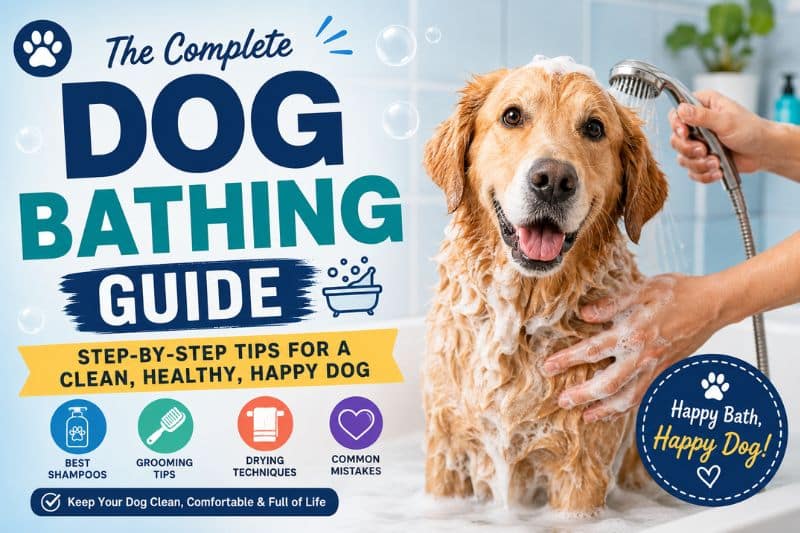
Bathing your dog may seem simple, but doing it incorrectly can lead to dry skin, tangled fur, ear infections, stress, and even long-term coat problems. Whether you’re caring for an energetic Labrador, a fluffy Golden Retriever, a tiny Chihuahua, or a mixed-breed rescue, understanding the right bathing techniques helps keep your dog clean, comfortable, and healthy.
Many owners unknowingly make common mistakes such as bathing too often, using human shampoo, skipping brushing before the bath, or leaving moisture trapped inside the coat. These mistakes can damage your dog’s skin barrier and make grooming much more difficult.
This comprehensive Dog Bathing Guide walks you through everything you need to know—from preparing for bath time and choosing the right shampoo to drying your dog safely and avoiding common errors. You’ll also discover expert grooming tips, recommended products, frequently asked questions, and useful internal resources to help you build a complete grooming routine.
Bathing is just one part of keeping your dog healthy and well-groomed. For a complete grooming routine that also covers brushing, nail trimming, ear cleaning, dental care, and coat maintenance, read our Dog Grooming Guide.
By the end of this guide, you’ll feel confident bathing your dog safely at home while keeping their coat healthy, shiny, and free from irritation.
Quick Answer
Bathing a dog involves brushing the coat, preparing lukewarm water, using a dog-specific shampoo, rinsing thoroughly, drying completely, and rewarding your pet afterward. Most healthy dogs only need a bath every 4–8 weeks, although breed, coat type, activity level, and medical conditions may require more or less frequent bathing.
Why Proper Dog Bathing Matters
Regular bathing is about much more than keeping your dog smelling fresh. A proper bath removes dirt, allergens, loose hair, bacteria, pollen, and excess oils while allowing you to inspect your dog’s skin for parasites, lumps, cuts, or infections.
Benefits of regular bathing include:
- Healthier skin and coat
- Reduced shedding
- Fewer unpleasant odors
- Better flea and tick inspections
- Improved comfort for allergy sufferers
- Prevention of matting in long-haired breeds
- Stronger bond between you and your dog
However, bathing too frequently can strip away natural oils that protect your dog’s skin, leading to dryness and irritation. Finding the right balance is essential.
Regular bathing works best when it’s part of a complete grooming routine. Combining bathing with brushing, nail trimming, ear cleaning, and dental care helps keep your dog healthy from nose to tail. Our Dog Grooming Guide explains how to build a grooming schedule based on your dog’s breed, coat type, and lifestyle.
According to the American Kennel Club (AKC), there is no single bathing schedule that works for every dog. The ideal frequency depends on factors such as breed, coat type, lifestyle, and any underlying skin conditions. Dogs that spend more time outdoors or have oily coats may require more frequent baths, while others can comfortably go several weeks between baths.
How Often Should You Bathe Your Dog?
One of the most common questions owners ask is, “How often should I bathe my dog?”
The answer depends on several factors.
| Dog Type | Recommended Bath Frequency |
|---|---|
| Short-haired breeds | Every 6–8 weeks |
| Medium-coated breeds | Every 4–6 weeks |
| Long-haired breeds | Every 3–4 weeks |
| Double-coated breeds | Every 6–8 weeks |
| Active outdoor dogs | As needed |
| Dogs with skin conditions | Follow veterinarian recommendations |
Some breeds naturally produce more oils, while others have sensitive skin that requires specialized shampoos.
If your dog rolls in mud, swims frequently, or develops a strong odor, an extra bath may be appropriate.
Signs Your Dog Needs a Bath
Instead of following the calendar alone, look for these signs:
- Noticeable dog odor
- Dirty or greasy coat
- Mud or debris trapped in fur
- Excessive scratching caused by dirt
- Sticky or oily fur
- Increased shedding
- Seasonal allergies
- After swimming in lakes or salt water
If your dog smells clean and the coat feels soft, a bath may not yet be necessary.
Step-by-Step Dog Bathing Guide
Step 1: Gather Everything Before Starting
Preparation makes bath time much easier.
Before bringing your dog into the bathing area, gather:
- Dog shampoo
- Towels
- Brush
- Non-slip bath mat
- Cotton balls (optional)
- Treats
- Cup or sprayer
- Blow dryer (pet-safe if available)
Having everything nearby prevents leaving a wet dog unattended.
Step 2: Brush Your Dog Before Bathing
This is one of the most overlooked steps.
Brushing removes:
- Loose fur
- Dirt
- Mats
- Tangles
- Dead undercoat
Water tightens existing mats, making them much harder—and sometimes painful—to remove after bathing.
Long-haired breeds especially benefit from thorough brushing before getting wet.
For the best brushing techniques and tools, read our Best Dog Brushes guide. (Internal Link)
Step 3: Choose the Right Bathing Location
Different dogs are more comfortable in different bathing areas.
Small dogs can often be bathed in:
- Kitchen sink
- Utility sink
- Grooming tub
Medium and large dogs usually do better in:
- Bathtub
- Walk-in shower
- Outdoor bathing station (weather permitting)
Always place a non-slip rubber mat underneath your dog to reduce anxiety and prevent injuries.
Avoid slippery surfaces whenever possible.
Step 4: Use Lukewarm Water
Water temperature matters more than many owners realize.
Water that is too hot may:
- Dry out skin
- Cause discomfort
- Increase anxiety
Water that is too cold can:
- Cause stress
- Make rinsing difficult
- Lower body temperature in puppies or senior dogs
Lukewarm water is ideal throughout the entire bath.
Begin wetting your dog’s body slowly, starting near the shoulders instead of pouring water directly over the head.
This helps nervous dogs remain calm.
Step 5: Apply a Dog-Specific Shampoo
Never use human shampoo.
Human shampoos are formulated for a different skin pH and can strip away protective oils from your dog’s skin.
Instead, choose a shampoo designed specifically for dogs based on their needs:
- Moisturizing shampoo
- Hypoallergenic shampoo
- Oatmeal shampoo
- Puppy shampoo
- Medicated shampoo (if prescribed)
If your dog suffers from persistent itching, red skin, frequent scratching, or seasonal allergies, choosing the right shampoo is only part of the solution. Learn how to recognize allergy symptoms, identify common triggers, and manage flare-ups in our comprehensive Dog Allergy Guide.
Work the shampoo into a rich lather while gently massaging:
- Neck
- Shoulders
- Back
- Chest
- Legs
- Tail
Leave the shampoo on for the recommended time listed on the label before rinsing.
If you’re looking for product recommendations, check out our Best Dog Shampoo buying guide.
Step 6: Rinse Thoroughly
Rinsing is one of the most important steps in any Dog Bathing Guide. Even a high-quality shampoo can cause skin irritation if residue is left behind.
Use lukewarm water and rinse from the neck downward. Continue rinsing until the water runs completely clear and you can no longer feel any slippery shampoo on the coat.
Pay extra attention to areas where shampoo often gets trapped:
- Under the legs
- Around the chest
- Belly
- Between the toes
- Under the tail
- Around the neck
- Thick double coats
For long-haired or double-coated breeds, separate the fur with your fingers while rinsing to ensure water reaches the skin.
Pro Tip: Most dogs need much longer rinsing than owners expect. As a general rule, spend at least as much time rinsing as you did applying shampoo.
Step 7: Clean the Face Carefully
Your dog’s face is one of the most sensitive areas, so avoid pouring water directly over the head.
Instead:
- Wet a soft washcloth with warm water.
- Wipe around the eyes and muzzle gently.
- Clean food debris from around the mouth.
- Remove tear stains carefully if present.
- Avoid getting soap into the eyes, nose, or ears.
If you use facial shampoo, choose one specifically formulated for dogs and rinse it carefully.
Never spray water directly into your dog’s face.
Step 8: Protect the Ears
Moisture trapped inside a dog’s ears can contribute to infections, especially in breeds with floppy ears.
During bathing:
- Keep water out of the ear canals.
- Use a washcloth rather than spraying directly around the ears.
- If desired, place a loose cotton ball in each outer ear (never push it deep into the canal) and remove it immediately after the bath.
- Dry the outer ear gently with a towel.
If your dog swims frequently or has recurring ear problems, ask your veterinarian whether a veterinarian-approved ear cleaner should be part of your grooming routine.
Signs of an ear infection include:
- Head shaking
- Scratching the ears
- Redness
- Bad odor
- Brown or yellow discharge
If you notice these symptoms, schedule a veterinary examination before bathing again.
Step 9: Dry Your Dog Properly
Drying is just as important as bathing. Leaving moisture trapped in the coat can contribute to skin irritation, hot spots, fungal growth, and matting.
Towel Dry First
Use an absorbent microfiber or cotton towel to gently remove excess water.
Avoid vigorous rubbing, which can:
- Create tangles
- Damage the coat
- Cause mats in long-haired breeds
Instead, gently squeeze and pat the coat dry.
Air Dry or Blow Dry?
The best option depends on your dog’s coat type.
Air Drying
Suitable for:
- Short-haired breeds
- Warm weather
- Dogs with thin coats
Make sure your dog stays indoors until completely dry.
Blow Drying
Recommended for:
- Golden Retrievers
- German Shepherds
- Huskies
- Bernese Mountain Dogs
- Other double-coated breeds
Use:
- Low heat
- Low airflow
- Several inches away from the coat
Brush while drying to prevent tangles and help fluff the coat.
Never use high heat, as it can burn your dog’s skin.
Step 10: Reward Your Dog
Bath time should end on a positive note.
After drying:
- Offer praise.
- Give your dog a favorite treat.
- Spend a few minutes playing.
- Let them relax somewhere comfortable.
Positive reinforcement helps your dog associate bath time with pleasant experiences, making future baths much easier.
Special Bathing Considerations by Coat Type
Not all dogs require the same bathing routine. Coat type plays a major role in determining grooming frequency, shampoo selection, drying methods, and brushing techniques.
Short-Haired Dogs
Examples include:
- Beagle
- Boxer
- Doberman
- Dachshund
These breeds:
- Dry quickly
- Shed year-round
- Rarely develop mats
Bath every 6–8 weeks unless they become especially dirty.
Long-Haired Dogs
Examples include:
- Shih Tzu
- Maltese
- Afghan Hound
- Yorkshire Terrier
These coats require:
- Frequent brushing
- Thorough drying
- Regular conditioning
- Careful detangling
Bath every 3–4 weeks to keep the coat manageable and healthy.
Double-Coated Dogs
Examples include:
- Golden Retriever
- German Shepherd
- Siberian Husky
- Australian Shepherd
Double coats trap water easily.
After bathing:
- Dry completely.
- Brush during drying.
- Never shave the coat unless medically necessary.
The undercoat provides insulation in both hot and cold weather.
Check out our German Shepherd Grooming Guide for breed-specific advice.
Curly-Coated Dogs
Examples include:
- Poodle
- Labradoodle
- Portuguese Water Dog
These coats:
- Hold moisture longer
- Tangle easily
- Need regular trimming
Brush before and after every bath to prevent mats.
Puppies
Puppies should only be bathed when necessary.
Use:
- Puppy shampoo
- Warm water
- Short bathing sessions
Keep them warm afterward since young puppies lose body heat quickly.
Common Dog Bathing Mistakes
Many owners unknowingly make mistakes that can harm their dog’s skin and coat. Avoiding these issues will make bath time safer and more effective.
Mistake 1: Using Human Shampoo
This is one of the biggest mistakes.
Human skin has a different pH than canine skin.
Using human shampoo may cause:
- Dry skin
- Itching
- Irritation
- Excessive shedding
- Flaking
Always choose a shampoo specifically designed for dogs.
Mistake 2: Bathing Too Frequently
More baths do not necessarily mean a cleaner or healthier dog.
Overbathing removes the natural oils that protect the skin and coat.
Potential problems include:
- Dry skin
- Increased itching
- Dull coat
- Excessive dandruff
Unless advised by your veterinarian, avoid bathing healthy dogs every week. Frequent bathing with harsh or inappropriate shampoos can weaken the skin’s natural protective barrier, potentially leading to dryness, itching, and irritation. If your dog develops persistent skin problems, excessive scratching, or recurring infections despite proper grooming, consult your veterinarian for an accurate diagnosis.
The Cornell University College of Veterinary Medicine offers educational information about maintaining healthy skin and recognizing dermatological issues in dogs.
Mistake 3: Incomplete Rinsing
Leftover shampoo is one of the leading causes of post-bath itching.
If shampoo remains trapped in the coat, your dog may:
- Scratch excessively
- Develop redness
- Experience skin irritation
Take extra time to rinse thoroughly.
Mistake 4: Skipping Brushing
Bathing tangled fur usually makes mats worse.
Always brush first, especially if your dog has:
- Long hair
- Thick undercoat
- Seasonal shedding
Mistake 5: Drying Incorrectly
Leaving your dog damp for several hours may encourage:
- Hot spots
- Skin infections
- Unpleasant odor
- Matting
Dry thoroughly, especially under the legs, around the neck, and beneath thick coats.
Mistake 6: Getting Water into the Ears
Water trapped inside the ears can contribute to infections, particularly in breeds with floppy ears.
Always keep water away from the ear canals and dry the outer ears gently after each bath.
Mistake 7: Forgetting Positive Reinforcement
If every bath feels stressful, your dog may become increasingly anxious.
Reward calm behavior with treats, praise, and playtime so bath time becomes a positive experience.
Expert Dog Bathing Tips
Professional groomers recommend several simple habits that make bathing safer and easier:
- Brush your dog before every bath.
- Trim long nails before grooming to reduce accidental scratches.
- Place a non-slip rubber mat in the tub for better stability.
- Keep shampoo out of the eyes and ears.
- Massage gently instead of scrubbing aggressively.
- Check the skin for lumps, cuts, parasites, or unusual bumps while bathing.
- Brush again after drying to remove loose hair.
- Wash your dog’s bedding regularly to keep the coat cleaner for longer.
- Bathe after muddy hikes or swimming in lakes to remove dirt, bacteria, and potential irritants.
- Introduce bathing gradually to puppies so they develop positive lifelong grooming habits.
Regular bathing sessions are also an excellent time to perform a quick head-to-tail health check. Look for changes such as persistent redness, excessive dandruff, hair loss, unusual lumps, skin irritation, or signs of parasites. Detecting these issues early can help prevent more serious health problems and ensure your dog receives timely veterinary care.
The American Veterinary Medical Association (AVMA) recommends incorporating routine home health checks into your pet care routine to help identify potential medical concerns before they become more serious.
Recommended Products for Bathing Your Dog
Using the right grooming products makes bath time easier while helping maintain healthy skin and a shiny coat. Investing in quality tools can also reduce shedding, prevent mats, and make the experience more enjoyable for both you and your dog.
1. Best Dog Shampoo
A high-quality dog shampoo is the foundation of a healthy bathing routine. Choose one based on your dog’s coat type and skin condition.
Look for:
- pH-balanced formula for dogs
- Soap-free ingredients
- Natural moisturizers such as oatmeal or aloe vera
- Gentle fragrance
- Sulfate-free formula
- No harsh dyes or alcohol
Consider these shampoo types:
- Moisturizing shampoo
- Hypoallergenic shampoo
- Oatmeal shampoo
- Puppy shampoo
- Whitening shampoo
- Deodorizing shampoo
- Medicated shampoo (only if recommended by your veterinarian)
👉 Best Dog Shampoo: Learn how to choose the right shampoo for your dog’s coat type and skin needs.
2. Dog Grooming Brush
Brushing before and after bathing prevents tangles, removes loose hair, and distributes natural oils throughout the coat.
Different coat types require different brushes.
Examples include:
- Slicker brush
- Pin brush
- Bristle brush
- Undercoat rake
- Deshedding tool
- Rubber curry brush
👉 Best Dog Brushes: Compare slicker brushes, deshedding tools, undercoat rakes, and more.
3. Microfiber Drying Towel
Microfiber towels absorb significantly more water than standard cotton towels.
Benefits include:
- Faster drying
- Less rubbing
- Reduced frizz
- More comfortable for dogs
Large dogs especially benefit from oversized microfiber towels.
4. Pet Blow Dryer
Unlike household hair dryers, pet dryers produce lower heat and higher airflow, making them safer for dogs.
Ideal for:
- Golden Retrievers
- German Shepherds
- Huskies
- Newfoundlands
- Bernese Mountain Dogs
A pet dryer can cut drying time dramatically while helping fluff the coat. If you’re looking for the right dryer for your dog, check out our Best Dog Hair Dryers guide to find top-rated options and expert recommendations.
5. Nail Clippers
Bath time is an excellent opportunity to trim your dog’s nails because they are often slightly softer after bathing.
Choose nail clippers with:
- Sharp stainless-steel blades
- Comfortable grip
- Safety guard
- Appropriate size for your dog’s breed
👉 Best Dog Nail Clippers: Find safe and easy-to-use nail clippers for dogs of all sizes.
6. Ear Cleaning Solution
If recommended by your veterinarian, an ear-cleaning solution can help remove wax and debris after bathing, especially for dogs with floppy ears.
Never insert cotton swabs into your dog’s ear canal.
7. Grooming Wipes
Pet grooming wipes are useful between baths for cleaning:
- Paws
- Face
- Belly
- Under the tail
They’re especially handy after walks or muddy play sessions.
Complete Dog Bathing Checklist
Before Bath
✅ Brush the coat thoroughly
✅ Gather shampoo and towels
✅ Prepare lukewarm water
✅ Place a non-slip mat in the tub
✅ Have treats ready
During Bath
✅ Wet the coat completely
✅ Apply dog shampoo
✅ Massage gently into the coat
✅ Avoid eyes and ears
✅ Rinse thoroughly
After Bath
✅ Towel dry
✅ Blow dry if needed
✅ Brush again
✅ Clean ears if necessary
✅ Reward your dog
Dog Bathing Schedule by Breed Size
While every dog is different, the table below provides general recommendations for healthy dogs.
| Dog Size | Typical Bath Frequency |
|---|---|
| Small dogs | Every 4–6 weeks |
| Medium dogs | Every 4–8 weeks |
| Large dogs | Every 6–8 weeks |
| Giant breeds | Every 6–10 weeks |
Remember that activity level, coat type, allergies, and skin conditions may require adjustments.
Dog Bathing Tips for Different Seasons
Spring
Spring often brings pollen, mud, and increased shedding.
Helpful tips:
- Brush more frequently.
- Wipe paws after walks.
- Bathe after muddy adventures.
- Check for ticks during grooming.
Summer
Dogs may swim more often during warmer months.
After swimming:
- Rinse chlorine from pools.
- Wash away salt after beach visits.
- Remove sand from the coat.
- Dry thoroughly to prevent skin irritation.
Avoid bathing too frequently, as summer heat can dry the skin.
Autumn
Leaves, dirt, and damp weather can make dogs messy.
Focus on:
- Cleaning paws
- Removing burrs
- Brushing away loose undercoat
- Preventing mats
Winter
Many owners reduce bathing frequency during winter.
If bathing in cold weather:
- Use warm water.
- Dry completely before going outdoors.
- Keep your dog indoors until the coat is fully dry.
Frequently Asked Questions (FAQs)
1. How often should I bathe my dog?
Most healthy dogs benefit from a bath every 4–8 weeks, depending on their breed, coat type, activity level, and skin health. Dogs that swim frequently or spend a lot of time outdoors may require more frequent baths.
2. Can I use baby shampoo on my dog?
Baby shampoo is generally milder than regular human shampoo, but it is still formulated for human skin rather than canine skin. For routine bathing, it is best to use a shampoo specifically designed for dogs.
3. Should I brush my dog before or after a bath?
Ideally, both.
Brush before bathing to remove loose hair and tangles, then brush again after drying to keep the coat smooth and reduce shedding.
4. Is it okay to bathe my dog every week?
Weekly bathing is unnecessary for most healthy dogs unless recommended by a veterinarian for a medical condition or after particularly dirty outdoor activities.
5. What water temperature is best for dogs?
Lukewarm water is the safest and most comfortable choice. Avoid very hot or very cold water.
6. Why does my dog smell bad after a bath?
Persistent odor after bathing may indicate:
- Incomplete drying
- Ear infection
- Skin infection
- Dental disease
- Anal gland issues
If the odor continues despite proper bathing, consult your veterinarian.
7. Can I let my dog air dry?
Yes, short-haired dogs often air dry well in warm weather. Dogs with thick or double coats usually benefit from blow drying to prevent moisture from becoming trapped against the skin.
8. Should I bathe puppies?
Yes, but only when necessary.
Use a gentle puppy shampoo, warm water, and keep the bathing session short to avoid chilling your puppy.
9. Can bathing reduce shedding?
Bathing alone won’t stop shedding, but regular brushing combined with proper bathing helps remove loose fur and reduces the amount of hair around your home.
10. What should I do if my dog hates baths?
Start slowly, use treats and praise, keep sessions short, and make bath time a positive experience. Gradual desensitization can help many dogs become more comfortable over time.
Final Thoughts
Bathing your dog is one of the simplest yet most important parts of responsible pet care. A proper bathing routine not only keeps your dog looking and smelling fresh but also supports healthy skin, a shiny coat, and overall well-being.
As covered throughout this Dog Bathing Guide, successful bathing starts long before the water is turned on. Brushing the coat beforehand, choosing a dog-specific shampoo, using lukewarm water, rinsing thoroughly, drying completely, and rewarding your dog afterward all contribute to a stress-free grooming experience.
Remember that every dog is unique. A Labrador that enjoys swimming may need a different bathing schedule than a fluffy Golden Retriever, while a Poodle’s curly coat requires different grooming techniques than a Beagle’s short coat. Pay attention to your dog’s coat type, activity level, and skin condition rather than following a fixed schedule.
Regular grooming sessions also provide an excellent opportunity to check your dog for skin problems, parasites, unusual lumps, cuts, or changes that may require veterinary attention. Catching these issues early can help prevent more serious health concerns.
With the right products, a little patience, and the techniques outlined in this guide, you can confidently bathe your dog at home while strengthening the bond you share. To create a complete at-home grooming routine, don’t miss our comprehensive Dog Grooming Guide, where you’ll learn how to brush your dog’s coat, trim nails safely, clean ears, maintain dental hygiene, and keep your pet looking and feeling their best year-round.
Happy grooming!