Keeping your dog clean involves much more than giving them an occasional bath. A regular grooming routine helps maintain healthy skin, reduces shedding, prevents painful mats, detects health issues early, and keeps your dog comfortable throughout the year. Whether you have a playful puppy, an active adult dog, or a senior companion, following a consistent dog grooming guide can improve their overall health and quality of life.
Many dog owners believe grooming is only about appearance, but it is actually an important part of preventive healthcare. During grooming sessions, you can check for parasites, skin infections, lumps, cuts, ear problems, cracked paw pads, and other issues before they become serious.
In this comprehensive guide, you’ll learn everything you need to know about grooming dogs at home. We’ll cover brushing techniques, bathing, drying, nail trimming, ear cleaning, dental care, seasonal grooming, common mistakes to avoid, and the essential grooming tools every pet owner should have.
Quick Answer
A complete dog grooming routine includes brushing your dog’s coat several times per week, bathing every 4–8 weeks depending on coat type and lifestyle, trimming nails every 3–4 weeks, cleaning ears weekly, brushing teeth at least three times a week, and inspecting paws, skin, and eyes regularly. Consistent grooming helps prevent matting, reduces shedding, supports healthy skin, and allows early detection of health problems.
Table of Contents
- Why Grooming Is Important
- Understanding Your Dog’s Coat
- Dog Grooming Schedule
- Essential Grooming Tools
- Step 1 – Brushing
- Step 2 – Bathing
- Step 3 – Drying
- Step 4 – Nail Trimming
- Step 5 – Ear Cleaning
- Step 6 – Dental Care
- Step 7 – Eye Care
- Step 8 – Paw Care
- Seasonal Grooming Tips
- Common Grooming Mistakes
- When to Visit a Professional Groomer
- Recommended Grooming Products
- Veterinarian Grooming Tips
- Frequently Asked Questions
Why Grooming Is Important
Regular grooming is one of the easiest ways to keep your dog healthy while strengthening the bond you share. Beyond improving your dog’s appearance, grooming helps prevent many common health issues and allows you to notice subtle changes before they become serious.
Some of the biggest benefits include:
Promotes Healthy Skin
Brushing distributes natural oils across your dog’s coat, keeping the skin moisturized and reducing dryness or irritation. Healthy skin is the foundation of a healthy coat. Regular grooming also allows you to identify dryness, dandruff, redness, excessive itching, hot spots, and other skin problems before they become more serious. For a deeper look at preventing and managing common skin conditions, read our Dog Skin Care Guide.
Reduces Shedding
Removing loose fur before it falls around your home significantly reduces shedding and keeps your dog’s coat healthier.
Prevents Painful Mats
Matted fur traps moisture, dirt, and bacteria against the skin. Severe matting can become painful and may even restrict movement.
Detects Health Problems Early
During grooming you may notice:
- Fleas
- Ticks
- Skin infections
- Lumps
- Hot spots
- Cuts
- Allergic reactions
Early detection often leads to easier treatment.
Keeps Nails Healthy
Overgrown nails can change your dog’s walking posture, cause pain, and increase the risk of injuries.
Improves Ear and Dental Health
Cleaning ears regularly reduces the risk of infections, while brushing teeth helps prevent plaque buildup and periodontal disease.
Strengthens Your Bond
Dogs that are groomed regularly often become more comfortable being handled, making veterinary visits much less stressful.
According to the American Kennel Club (AKC), routine grooming is an essential part of responsible dog ownership and should begin during puppyhood whenever possible.
Understanding Your Dog’s Coat
Not every dog requires the same grooming routine. Coat type plays a major role in determining how often your dog should be brushed, bathed, or professionally groomed.
Understanding your dog’s coat allows you to choose the right grooming tools and avoid damaging the hair or irritating the skin.
Single Coat
Single-coated dogs have one layer of fur. They generally shed less but may require regular brushing depending on hair length.
Examples include:
- Poodle
- Maltese
- Yorkshire Terrier
Double Coat
Double-coated dogs have a soft insulating undercoat beneath a protective outer coat.
These dogs usually shed heavily during seasonal coat changes.
Examples include:
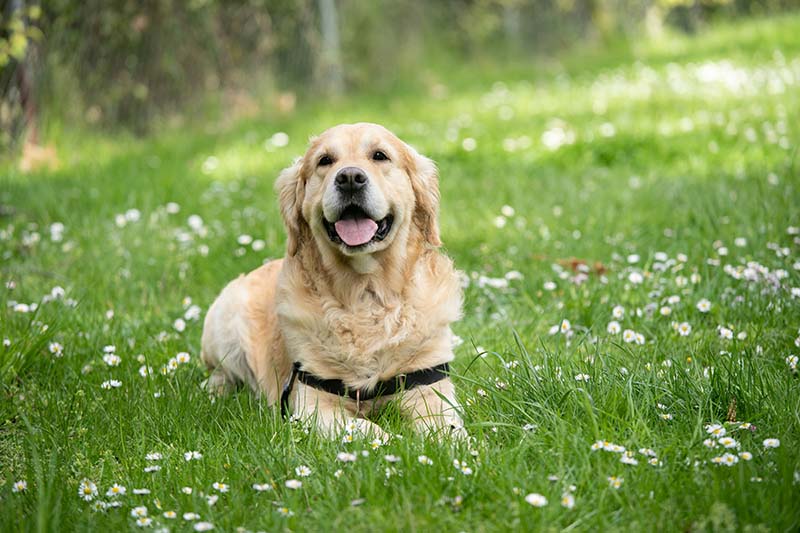
- Golden Retriever
- Labrador Retriever
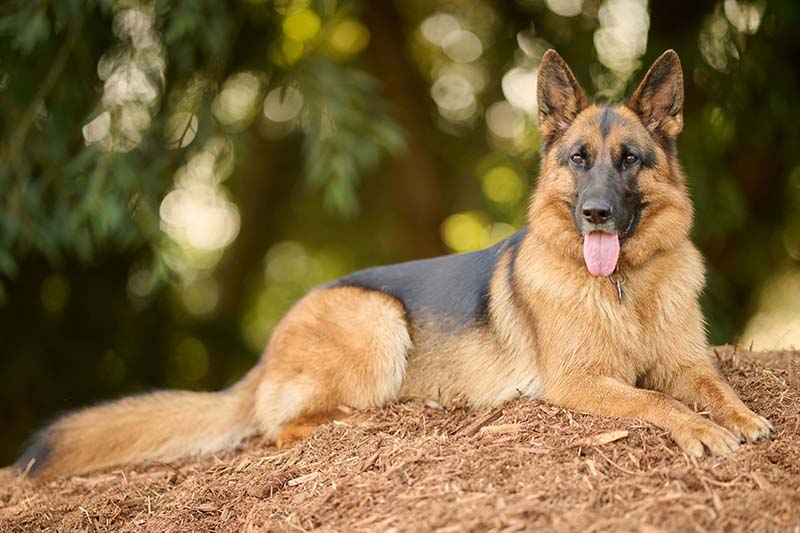
- German Shepherd
- Siberian Husky
- Border Collie
Never shave a double-coated dog unless specifically advised by your veterinarian.
Short Coat
Short-haired dogs are relatively easy to maintain but still benefit from weekly brushing to remove loose hair and distribute natural oils.
Medium Coat
Medium-length coats require brushing several times each week to prevent tangles.
Long Coat
Long-haired dogs require the most maintenance because tangles and mats can develop quickly, especially around the ears, legs, chest, and tail.
Coat Characteristics Summary
| Feature | Details |
|---|---|
| Coat Type | Single Coat or Double Coat |
| Coat Length | Short, Medium, Long |
| Shedding | Low, Moderate, High |
| Grooming Difficulty | Easy to High Maintenance |
| Professional Grooming Needed? | Depends on coat length and maintenance |
Dog Grooming Schedule
Following a routine keeps grooming manageable and prevents problems before they develop.
| Grooming Task | Recommended Frequency |
|---|---|
| Brushing | 2–7 times per week (depends on coat type) |
| Bathing | Every 4–8 weeks |
| Nail Trimming | Every 3–4 weeks |
| Ear Cleaning | Weekly |
| Teeth Brushing | At least 3–7 times per week |
| Hair Trimming | Every 6–10 weeks if needed |
| Paw Inspection | Weekly |
| Eye Cleaning | As needed (daily for tear-prone breeds) |
Consistency is more important than perfection. Even spending 10–15 minutes grooming several times each week can greatly improve your dog’s health.
Grooming Tools You’ll Need
Using proper grooming equipment makes the process safer, easier, and more comfortable for your dog.
| Tool | Purpose | Recommended? |
|---|---|---|
| Slicker Brush | Removes loose hair and tangles | ⭐⭐⭐⭐⭐ |
| Pin Brush | Long coats | ⭐⭐⭐⭐ |
| Undercoat Rake | Removes undercoat | ⭐⭐⭐⭐⭐ |
| Metal Comb | Finishing tangles | ⭐⭐⭐⭐ |
| Dematting Tool | Removes stubborn mats | ⭐⭐⭐⭐ |
| Dog Shampoo | Cleans coat safely | ⭐⭐⭐⭐⭐ |
| Dog Conditioner | Moisturizes coat | ⭐⭐⭐⭐ |
| Nail Clippers | Trim nails | ⭐⭐⭐⭐⭐ |
| Nail Grinder | Smooth nail edges | ⭐⭐⭐⭐⭐ |
| Ear Cleaner | Cleans ears safely | ⭐⭐⭐⭐⭐ |
| Dog Toothbrush | Dental care | ⭐⭐⭐⭐⭐ |
| Dog Toothpaste | Removes plaque | ⭐⭐⭐⭐⭐ |
| Grooming Scissors | Trim excess fur | ⭐⭐⭐⭐ |
| Pet Dryer | Faster drying | ⭐⭐⭐⭐ |
| Microfiber Towel | Gentle drying | ⭐⭐⭐⭐⭐ |
If you’re shopping for grooming supplies, be sure to read our detailed buying guides:
- Best Dog Brushes
- Best Dog Shampoo
- Best Dog Nail Clippers
- Best Dog Hair Dryers
- Best Dog Grooming Kits
- Best Dog Toothpaste
These articles compare the top options for different coat types and budgets, helping you choose products that suit your dog’s needs.
Step 1 – Brushing Your Dog
Brushing is the foundation of every grooming routine. It removes dirt, loose hair, dead skin, and tangles while distributing natural oils that keep the coat shiny and healthy.
How often you brush depends on your dog’s coat type, but most dogs benefit from brushing at least two to three times each week.
Choose the Right Brush
Different coat types require different brushes.
- Slicker brushes work well for most medium and long-haired dogs.
- Undercoat rakes help remove dense seasonal shedding.
- Pin brushes are ideal for silky coats.
- Rubber grooming mitts work well on short-haired breeds.
Using the wrong brush can pull healthy hair, scratch the skin, or leave loose undercoat behind.
Brush in the Direction of Hair Growth
Always begin with gentle strokes following the direction of the coat. Work slowly and avoid pulling on tangles.
Pay special attention to:
- Behind the ears
- Under the legs
- Chest
- Belly
- Tail
- Neck
- Feathering around legs
These areas develop mats more quickly.
Pro Tip
Instead of brushing only the top layer, gently lift sections of the coat and brush all the way down to the skin. This technique, often called line brushing, is especially effective for dogs with thick or double coats.
Step 2 – Bathing Your Dog
Bathing removes dirt, allergens, excess oils, and odors while helping maintain healthy skin and a clean coat. However, bathing too frequently can strip away natural oils, leading to dry skin and irritation. The ideal bathing schedule depends on your dog’s coat type, activity level, and any skin conditions.
Most healthy dogs only need a bath every 4–8 weeks, though dogs that swim frequently, spend a lot of time outdoors, or have certain medical conditions may require more frequent bathing under veterinary guidance. If you’d like a more in-depth walkthrough, including step-by-step bathing instructions, shampoo selection tips, water temperature recommendations, and common bathing mistakes, read our Dog Bathing Guide.
Before You Start
Prepare everything before bringing your dog into the bathing area:
- Dog shampoo
- Dog conditioner (if needed)
- Non-slip bath mat
- Microfiber towels
- Brush or comb
- Cotton balls (optional for some dogs, but avoid inserting them deeply into the ears)
- Treats for positive reinforcement
Brushing your dog before bathing is highly recommended. Wet mats become tighter and are much more difficult—and painful—to remove.
Use Lukewarm Water
Water that is too hot can dry out your dog’s skin, while cold water can make the experience uncomfortable.
Aim for lukewarm water, similar to what you would use for a baby.
Avoid spraying water directly into your dog’s:
- Eyes
- Nose
- Ears
Instead, gently wet these areas using your hand or a damp cloth.
Choose a Dog-Specific Shampoo
Never use human shampoo.
Human shampoos are formulated for a different skin pH and can damage your dog’s natural skin barrier.
Choose a shampoo based on your dog’s needs:
- Sensitive skin
- Puppies
- Deodorizing
- Moisturizing
- Anti-shedding
- Medicated (only under veterinary supervision)
For help selecting one, see our Best Dog Shampoo buying guide.
Shampoo Properly
Apply shampoo gradually rather than pouring a large amount in one spot.
Massage it into the coat using gentle circular motions, working from the neck toward the tail.
Pay attention to:
- Chest
- Belly
- Legs
- Tail
- Paws
Avoid getting shampoo in the eyes or ears.
Rinse Thoroughly
One of the most common bathing mistakes is leaving shampoo residue behind.
Leftover shampoo can cause:
- Skin irritation
- Itching
- Dandruff
- Dull coat
Continue rinsing until the water runs completely clear.
Common Bathing Mistakes
- Bathing too often
- Using human shampoo
- Skipping brushing beforehand
- Leaving shampoo residue
- Forgetting to dry thoroughly
- Bathing immediately after vigorous exercise
- Using water that is too hot
Step 3 – Drying Your Dog
Drying is often overlooked but is just as important as bathing.
Leaving moisture trapped in the coat—especially in thick or double-coated dogs—can encourage bacterial or yeast growth and contribute to painful hot spots.
Towel Dry First
Use a highly absorbent microfiber towel.
Instead of rubbing vigorously, gently press and squeeze moisture from the coat.
This helps reduce tangles and minimizes hair breakage.
Air Dry vs. Blow Dry
Air Drying
Suitable for:
- Short-haired dogs
- Warm weather
- Light coats
However, thick-coated dogs can stay damp for hours if left to air dry.
Blow Drying
Using a pet dryer can significantly reduce drying time.
Keep these tips in mind:
- Use the lowest heat setting
- Keep the dryer moving continuously
- Maintain a safe distance from the skin
- Brush while drying to prevent tangles
Never use extremely hot air, as dogs can overheat quickly and their skin is more sensitive than ours.
Brush During Drying
Brushing while the coat dries helps:
- Prevent tangles
- Remove loose undercoat
- Add volume
- Keep the coat smooth
For double-coated dogs, this step is especially valuable during shedding season.
Step 4 – Nail Trimming
Long nails are uncomfortable and can eventually affect the way a dog walks, placing extra strain on joints and ligaments.
Regular nail care should be part of every grooming routine.
How Often Should Nails Be Trimmed?
Most dogs need nail trimming every 3–4 weeks.
Highly active dogs that regularly walk on concrete may naturally wear their nails down and require trimming less often.
A simple test:
If you hear clicking when your dog walks across hard floors, the nails are probably too long.
Understanding the Quick
Inside each nail is a blood vessel called the quick.
Cutting into the quick can cause:
- Pain
- Bleeding
- Anxiety during future nail trims
Dogs with clear nails make the quick easier to see.
For black nails, trim only tiny amounts at a time.
Clippers vs. Nail Grinder
Nail Clippers
Advantages:
- Fast
- Inexpensive
- Easy to use
Disadvantages:
- Easier to cut too short
- Sharp edges remain
Nail Grinder
Advantages:
- Smoother finish
- Better control
- Lower risk of cutting the quick
Disadvantages:
- Takes longer
- Some dogs need time to get used to the vibration
Many groomers prefer grinders because they provide a smoother, more natural nail shape.
If you’re looking for one, check out our Best Dog Nail Clippers guide and our upcoming Best Dog Nail Grinders buying guide.
Pro Tip
Reward your dog after trimming each paw with praise or treats to build positive associations with grooming.
Step 5 – Ear Cleaning
Healthy ears should be clean, dry, and free from strong odors.
Regular ear inspections help prevent infections and allow you to identify problems early.
Dogs with floppy ears, heavy ear hair, or frequent swimming habits often require more frequent ear care.
Signs Your Dog’s Ears Need Attention
Watch for:
- Excess wax
- Redness
- Bad odor
- Swelling
- Brown or yellow discharge
- Frequent scratching
- Head shaking
- Sensitivity when touched
If you notice these signs, contact your veterinarian before attempting to clean the ears.
Recurring ear infections, excessive scratching, and inflamed skin can sometimes be signs of underlying allergies rather than poor hygiene. Learn how to recognize food, environmental, and seasonal allergies in our Dog Allergy Guide.
Safe Ear Cleaning
Use only products specifically designed for dogs.
To clean the ears:
- Apply the recommended amount of ear cleaner.
- Gently massage the base of the ear for 20–30 seconds.
- Allow your dog to shake its head.
- Wipe away loosened debris with cotton or gauze.
Never insert cotton swabs deep into the ear canal, as this can push debris farther in or damage the ear.
How Often?
For most healthy dogs:
- Inspect ears weekly.
- Clean only when needed or as recommended by your veterinarian.
Over-cleaning can also irritate the ear canal.
Step 6 – Dental Care
Dental disease is one of the most common health problems in adult dogs, yet it is often overlooked.
Plaque begins forming within hours after eating.
Without regular care, it hardens into tartar, increasing the risk of gum disease, bad breath, tooth loss, and even infections that can affect the heart, kidneys, and liver.
Brush Your Dog’s Teeth
Aim for:
3–7 times per week
Daily brushing provides the best protection.
Use:
- Dog toothbrush
- Finger toothbrush
- Veterinary-approved dog toothpaste
Never use human toothpaste because it contains ingredients that may be harmful if swallowed.
Proper Brushing Technique
Lift the lips gently.
Brush using small circular motions along the gum line.
Focus mainly on the outer surfaces of the teeth, where plaque accumulates most quickly.
Keep sessions short and positive.
Additional Dental Care
You can also support oral health with:
- Veterinary-approved dental chews
- Dental toys
- Water additives (if recommended by your veterinarian)
- Professional dental cleanings when necessary
Our upcoming Best Dog Toothpaste guide will help you choose safe and effective dental products.
According to the American Animal Hospital Association (AAHA), consistent home dental care combined with regular veterinary examinations is the most effective way to reduce periodontal disease in dogs.
Step 7 – Eye Care
Healthy eyes should appear bright, clear, and free from excessive discharge.
Some breeds naturally produce more tears than others, but all dogs benefit from regular eye checks during grooming.
Cleaning Around the Eyes
Use:
- Soft damp cloth
- Sterile saline solution (if recommended by your veterinarian)
Wipe gently away from the eye.
Never rub directly on the eyeball.
Tear Stains
Light-colored dogs are more likely to develop visible tear stains.
Regular cleaning helps reduce buildup and keeps the fur clean.
Avoid harsh whitening products unless recommended by your veterinarian.
Warning Signs
Schedule a veterinary examination if you notice:
- Green or yellow discharge
- Persistent squinting
- Cloudiness
- Excessive tearing
- Swelling
- Redness
- Sudden vision changes
Eye conditions can worsen quickly, so prompt treatment is important.
Step 8 – Paw Care
Your dog’s paws absorb a great deal of wear every day.
Routine paw care improves comfort, prevents injuries, and helps detect hidden problems early.
Inspect Paw Pads
Check weekly for:
- Cuts
- Cracks
- Splinters
- Foxtails
- Ice melt chemicals
- Burns from hot pavement
- Embedded debris
Trim Paw Fur
Long fur between the paw pads can:
- Trap dirt
- Collect snow or ice
- Reduce traction on smooth floors
- Hide foreign objects
Carefully trim excess hair using rounded-tip grooming scissors or clippers designed for pets.
Moisturize Dry Paw Pads
Dry or cracked pads may benefit from a dog-safe paw balm.
Avoid using lotions intended for humans, as they may contain ingredients that are unsafe if licked.
Seasonal Paw Care
Summer
- Walk during cooler parts of the day.
- Test pavement temperature with your hand before walking.
- Rinse paws after walks to remove dust and chemicals.
Winter
- Remove snow and ice from between the toes.
- Rinse off road salt after walks.
- Apply a protective paw balm before outdoor activities if needed.
Seasonal Grooming Tips
Your dog’s grooming needs change throughout the year as the weather and coat conditions vary. Adjusting your routine by season helps keep your dog comfortable while maintaining healthy skin and a clean coat.
Spring
Spring is the biggest shedding season for many dogs, especially double-coated breeds. As the weather warms, dogs naturally shed their winter undercoat.
During spring:
- Increase brushing to 3–7 times per week, depending on your dog’s coat.
- Use an undercoat rake to remove loose fur safely.
- Bathe your dog after heavy shedding periods to help remove remaining loose hair.
- Check for ticks and fleas after outdoor activities.
- Inspect the skin for allergies, which often become more noticeable in spring.
Spring pollen, grass, and other environmental allergens can trigger itchy skin, ear infections, and excessive licking in sensitive dogs. If your dog develops these symptoms, our Dog Allergy Guide explains the most common causes, warning signs, and treatment options.
Pro Tip: Never shave a double-coated dog to reduce shedding. Regular brushing is a much safer and healthier solution.
Summer
Summer grooming focuses on keeping your dog cool and protecting the skin.
Recommendations include:
- Brush regularly to improve air circulation through the coat.
- Bathe after swimming to remove chlorine, salt, or lake debris.
- Keep paw pads clean after walks on hot pavement.
- Watch for sunburn on light-colored or thin-coated dogs.
- Keep the coat free from mats, which can trap heat and moisture.
Avoid shaving most double-coated breeds unless your veterinarian specifically recommends it. Their coat provides insulation against both heat and cold.
Fall
Autumn often brings another seasonal shedding cycle.
During fall:
- Continue regular brushing to remove the old summer coat.
- Inspect paws for burrs, seeds, and debris after walks.
- Begin moisturizing dry paw pads if the weather becomes cooler.
- Check ears after hiking or outdoor adventures.
Winter
Cold weather requires extra attention to skin, coat, and paws.
During winter:
- Bathe less frequently if your dog stays mostly indoors.
- Use moisturizing shampoo if dry skin develops.
- Rinse paws after walking on salted roads or sidewalks.
- Trim excess fur around the paws to reduce ice buildup.
- Dry your dog thoroughly after walks in rain or snow.
Common Grooming Mistakes to Avoid
Even well-meaning owners can make grooming mistakes that affect their dog’s comfort and health.
Avoid these common errors:
- Bathing your dog too frequently
- Using human shampoo instead of dog shampoo
- Skipping regular brushing
- Waiting until mats become severe
- Pulling on tangles instead of working them out gently
- Using the wrong brush for your dog’s coat type
- Cutting nails too short
- Ignoring ear care
- Forgetting dental hygiene
- Leaving the coat damp after bathing
- Using a hair dryer on high heat
- Neglecting regular paw inspections
- Forcing a nervous dog through grooming instead of taking breaks and using positive reinforcement
Developing a consistent routine is much easier than correcting grooming problems after they develop.
Signs Your Dog Needs Professional Grooming
Many dogs can be groomed successfully at home, but some situations require professional help.
Consider scheduling a professional grooming appointment if your dog has:
- Severe matting
- Extremely long nails
- Thick seasonal undercoat that is difficult to remove
- Heavy shedding despite regular brushing
- Skin irritation hidden beneath dense fur
- Overgrown hair around the eyes or sanitary areas
- Long coats that require precision trimming
- Anxiety that makes home grooming unsafe
Professional groomers also have specialized equipment that can make grooming more comfortable for certain coat types.
If your dog develops skin infections, unusual lumps, persistent itching, or painful ears, consult your veterinarian before booking a grooming appointment.
Recommended Grooming Products
Choosing quality grooming tools makes the process easier while reducing stress for both you and your dog.
| Product Category | What to Look For | Internal Link |
|---|---|---|
| Dog Shampoo | pH-balanced, moisturizing, sensitive skin formula | Best Dog Shampoo |
| Dog Brush | Slicker or pin brush suited to coat type | Best Dog Brushes |
| Nail Clippers | Sharp stainless-steel blades with safety guard | Best Dog Nail Clippers |
| Nail Grinder | Quiet, rechargeable motor with multiple speed settings | Best Dog Nail Grinders |
| Dog Toothbrush | Soft bristles or finger brush | Best Dog Toothpaste & Dental Products |
| Ear Cleaner | Alcohol-free, veterinarian-recommended formula | Best Dog Ear Cleaners |
| Grooming Kit | Includes brush, comb, clippers, scissors, and nail tools | Best Dog Grooming Kits |
| Undercoat Rake | Rounded teeth to reduce shedding safely | Best Dog Brushes |
| Grooming Scissors | Rounded safety tips and stainless-steel blades | Best Dog Grooming Kits |
Grooming Tips from Veterinarians and Professional Groomers
Professional groomers and veterinarians agree that grooming is about much more than appearance. A calm, consistent routine helps dogs stay healthy and makes future grooming sessions easier.
Here are some expert-backed tips:
Start Grooming Early
Introduce puppies to brushing, nail handling, ear checks, and bathing at a young age. Early positive experiences often lead to calmer adult dogs.
Keep Sessions Short
For puppies or anxious dogs, limit grooming sessions to 5–10 minutes at first and gradually increase the duration.
Use Positive Reinforcement
Reward calm behavior with treats, praise, or playtime. This helps your dog associate grooming with positive experiences.
Watch for Changes
During every grooming session, check for:
- New lumps or bumps
- Skin redness
- Parasites
- Hot spots
- Changes in coat quality
- Ear discharge
- Broken nails
Early detection can prevent minor issues from becoming major health concerns.
Never Force Grooming
If your dog becomes extremely fearful or aggressive, stop the session and try again later. For some dogs, professional groomers or fear-free veterinary clinics are the safest option.
Frequently Asked Questions
How often should I groom my dog?
Most dogs benefit from brushing several times per week, bathing every 4–8 weeks, nail trimming every 3–4 weeks, weekly ear inspections, and brushing their teeth several times each week. The ideal schedule depends on your dog’s coat type, lifestyle, and overall health.
Can I use human shampoo on my dog?
No. Human shampoos have a different pH balance and may irritate your dog’s skin. Always use a shampoo specifically formulated for dogs.
Should I shave my dog during summer?
Generally, no. Many double-coated breeds rely on their coat for insulation from both heat and cold. Instead of shaving, increase brushing to remove loose undercoat and improve airflow. Consult your veterinarian if you believe shaving is necessary for medical reasons.
How can I reduce shedding?
Regular brushing, a balanced diet, proper hydration, and routine bathing help reduce loose hair. During heavy seasonal shedding, using an undercoat rake can also be effective.
When should puppies start grooming?
Puppies can begin gentle grooming as early as 8–12 weeks of age, depending on their vaccination schedule and comfort level. Start with short, positive sessions that include brushing, paw handling, and gentle ear and mouth checks.
How often should I trim my dog’s nails?
Most dogs need their nails trimmed every 3–4 weeks. If you hear the nails clicking on hard floors, it’s usually time for a trim.
How do I clean my dog’s ears safely?
Use a veterinarian-approved ear cleaner, gently massage the base of the ear, allow your dog to shake its head, and wipe away loosened debris with cotton or gauze. Never insert cotton swabs deep into the ear canal.
Is professional grooming necessary?
Many dogs can be groomed successfully at home. However, dogs with heavy matting, difficult coats, breed-specific trims, or grooming anxiety may benefit from professional grooming.
What is the best brush for my dog?
The ideal brush depends on your dog’s coat. Slicker brushes are excellent for many medium and long coats, while rubber grooming mitts work well for short-haired dogs. Double-coated breeds often benefit from an undercoat rake in addition to a slicker brush.
How long does a full grooming session take?
A complete home grooming session typically takes 30–90 minutes, depending on your dog’s size, coat length, and the tasks involved.
Final Thoughts
Regular grooming is one of the simplest and most effective ways to support your dog’s long-term health and well-being. A consistent routine helps keep the coat clean, reduces shedding, prevents painful mats, supports healthy skin, and allows you to identify potential health issues before they become serious.
Great dog grooming starts from the inside out. Along with regular brushing, bathing, and nail care, feeding a nutritious diet plays a major role in maintaining healthy skin and a glossy coat. Our Best Dog Foods guide can help you choose a diet that supports your dog’s overall health.
Remember that every dog is unique. Coat type, activity level, age, and lifestyle all influence grooming needs, so adjust your routine accordingly. By investing a little time each week, you can keep your dog looking great, feeling comfortable, and enjoying a happier, healthier life.
If you’re new to grooming, start slowly, use positive reinforcement, and build your dog’s confidence over time. With the right tools and a little patience, grooming can become an enjoyable bonding experience for both you and your pet.