Healthy skin is the foundation of your dog’s overall health. While many owners focus on feeding their dogs high-quality food or providing regular exercise, skin care often gets overlooked until a problem appears. Unfortunately, dry skin, itching, dandruff, allergies, hot spots, and excessive shedding are among the most common reasons dogs visit the veterinarian.
A dog’s skin is much more than a protective covering. It acts as the body’s first line of defense against bacteria, parasites, allergens, and environmental irritants. Healthy skin also supports a beautiful, shiny coat while helping regulate body temperature and protecting internal organs.
The good news is that most skin problems are preventable with proper grooming, nutrition, parasite prevention, and regular health checks. Whether you own a Golden Retriever, Labrador Retriever, German Shepherd, Poodle, Beagle, French Bulldog, Siberian Husky, or a mixed breed, the basic principles of skin care remain the same.
In this comprehensive Dog Skin Care Guide, you’ll learn how to recognize healthy skin, identify common skin problems early, create an effective skincare routine, choose the right grooming products, and know when it’s time to visit your veterinarian.
Quick Answer
Healthy dog skin is clean, hydrated, free of excessive flakes, redness, sores, or persistent itching. The best way to maintain healthy skin is through regular brushing, bathing with a dog-specific shampoo, feeding a balanced diet rich in omega fatty acids, preventing fleas and ticks, and scheduling veterinary checkups whenever skin changes persist.
Why Dog Skin Care Matters
Skin is the largest organ in a dog’s body. It protects against infection, helps regulate temperature, stores nutrients, and supports immune function.
When your dog’s skin becomes unhealthy, it affects much more than appearance.
Poor skin health can lead to:
- Constant scratching
- Hair loss
- Bacterial infections
- Yeast infections
- Painful hot spots
- Allergic reactions
- Poor coat quality
- Bad odor
- Reduced quality of life
Many owners assume scratching is normal, but healthy dogs should not constantly itch. Persistent scratching usually indicates an underlying issue that deserves attention.
Proper skin care also helps you detect health problems earlier. During brushing or bathing, you may notice unusual lumps, parasites, wounds, or infections before they become serious.
Understanding Healthy Dog Skin
Before identifying problems, it’s important to know what healthy skin looks like.
Healthy skin should be:
- Smooth
- Slightly oily but not greasy
- Free from redness
- Free from strong odors
- Free from sores
- Flexible and well hydrated
- Covered with a shiny coat
The coat should appear:
- Glossy
- Soft
- Thick (depending on breed)
- Evenly distributed
- Free from excessive dandruff
Some breeds naturally have different skin characteristics.
For example:
Double-coated breeds
- Golden Retriever
- Labrador Retriever
- German Shepherd
- Husky
These breeds naturally produce more undercoat oils and require frequent brushing to keep the skin healthy.
Short-coated breeds
- Boxer
- Beagle
- Doberman
These dogs shed less visibly but still require routine skin inspections.
Wrinkled breeds
- Bulldog
- French Bulldog
- Shar-Pei
Wrinkles trap moisture and bacteria, making regular cleaning essential.
Hair continuously growing
- Poodle
- Maltese
- Shih Tzu
These breeds need professional grooming and frequent brushing to prevent mats that irritate the skin.
Regardless of breed, every dog benefits from a consistent skincare routine.
Common Causes of Skin Problems in Dogs
Understanding what causes skin problems helps you prevent many of them.
1. Allergies
Allergies are among the leading causes of itchy skin.
Dogs may develop allergies to:
- Pollen
- Grass
- Dust mites
- Mold
- Certain foods
- Flea saliva
Signs include:
- Paw licking
- Face rubbing
- Ear infections
- Red skin
- Constant scratching
Learn more about common canine skin conditions from the American Veterinary Medical Association (AVMA).
2. Fleas and Ticks
Even a few flea bites can trigger severe itching.
Dogs with flea allergy dermatitis often scratch excessively around:
- Tail base
- Lower back
- Hind legs
Routine flea prevention is one of the easiest ways to maintain healthy skin.
3. Dry Skin
Dry skin commonly develops because of:
- Cold weather
- Low humidity
- Excessive bathing
- Harsh shampoos
- Poor nutrition
Symptoms include:
- Flakes
- Mild itching
- Dull coat
- Dry patches
4. Poor Nutrition
Skin health starts from the inside.
A diet lacking:
- Omega-3 fatty acids
- Omega-6 fatty acids
- Zinc
- Vitamin E
- High-quality protein
can result in poor skin condition.
5. Parasites
Besides fleas, dogs may develop skin problems from:
- Mange mites
- Lice
- Ticks
- Mites
These often require veterinary diagnosis and treatment. The Companion Animal Parasite Council (CAPC) provides excellent guidance on flea, tick, and parasite prevention based on your region.
6. Bacterial or Yeast Infections
Skin infections frequently occur after allergies or excessive scratching damage the skin barrier.
Common symptoms include:
- Bad smell
- Sticky skin
- Red patches
- Hair loss
- Thickened skin
7. Hormonal Disorders
Medical conditions like hypothyroidism or Cushing’s disease may cause:
- Thin coat
- Dry skin
- Hair loss
- Recurring infections
These require veterinary treatment rather than home remedies.
Step-by-Step Dog Skin Care Guide
Step 1 – Feed a Skin-Healthy Diet
Healthy skin begins with proper nutrition.
A complete, balanced diet provides the nutrients your dog’s skin needs to repair itself every day.
Focus on foods containing:
- Animal-based protein
- Omega-3 fatty acids
- Omega-6 fatty acids
- Vitamin A
- Vitamin E
- Zinc
- Biotin
Fatty fish like salmon provide natural omega-3 fatty acids that help reduce inflammation and improve coat quality.
If your veterinarian recommends supplements, fish oil may benefit dogs with dry skin or seasonal allergies.
Always introduce dietary changes gradually.
Fresh water is equally important because dehydration quickly affects skin elasticity.
If you’re unsure which products to choose, read our Best Dog Food guide to find diets that support healthy skin and coat health.
Step 2 – Brush Your Dog Regularly
Brushing is one of the easiest ways to improve skin health. Building a consistent grooming routine is much easier when you have the right tools on hand. A complete grooming kit typically includes brushes, nail clippers, combs, and other essentials that help keep your dog’s skin and coat in excellent condition. If you’re starting from scratch or looking to upgrade your supplies, explore our Best Dog Grooming Kits guide to find the best all-in-one options for every breed and budget.
Regular brushing:
- Removes dead hair
- Distributes natural skin oils
- Stimulates circulation
- Prevents matting
- Reduces shedding
- Helps detect parasites early
Different breeds require different brushing schedules.
| Coat Type | Recommended Brushing |
|---|---|
| Short coat | 1–2 times weekly |
| Medium coat | 3 times weekly |
| Double coat | Daily during shedding season |
| Long coat | Daily |
Using the correct brush is equally important.
Slicker brushes work well for long-haired breeds, while rubber curry brushes are excellent for short-coated dogs.
Learn how to choose the right grooming tools in our Best Dog Brushes Guide, where we compare slicker brushes, deshedding tools, and grooming gloves for every coat type.
Step 3 – Bathe Your Dog the Right Way
Many owners believe frequent bathing keeps dogs healthier.
In reality, bathing too often can strip away natural oils that protect the skin.
Most healthy dogs only require bathing every 4–8 weeks, although this varies by breed, activity level, and medical conditions.
Choose a gentle, moisturizing dog shampoo formulated for your dog’s skin type. Avoid using human shampoo because its pH is not suitable for canine skin and may cause irritation.
Before bathing:
- Brush out loose hair and tangles.
- Use lukewarm water rather than hot water.
- Massage shampoo gently into the coat without scrubbing aggressively.
- Rinse thoroughly to remove all shampoo residue.
- Dry the coat completely, especially in skin folds and under dense coats.
Leaving shampoo behind can lead to itching and irritation, while damp fur may encourage yeast growth.
For a complete walkthrough, see our Dog Bathing Guide, where we explain how to bathe dogs safely from start to finish, including drying techniques and bathing frequency.
Proper drying is just as important as bathing. A quality pet dryer helps remove moisture quickly, especially in thick or double-coated breeds, reducing the risk of skin irritation and hot spots. If you’re looking for the right drying tool, read our Best Dog Hair Dryers guide to compare the safest and most effective dryers for every coat type.
Step 4 – Keep Fleas, Ticks, and Parasites Under Control
Parasites are one of the most common causes of skin irritation in dogs. Even a single flea bite can trigger severe itching in sensitive dogs, while ticks and mites may spread diseases or lead to secondary skin infections.
A year-round parasite prevention plan is one of the best investments you can make in your dog’s health.
Signs of Parasites
Watch for symptoms such as:
- Excessive scratching
- Biting or chewing the skin
- Hair loss
- Tiny black flea dirt
- Visible fleas or ticks
- Red bumps
- Scabs
- Restlessness
Prevention Tips
- Use veterinarian-approved flea and tick preventatives.
- Check your dog after walks in wooded or grassy areas.
- Wash bedding regularly.
- Vacuum carpets and furniture frequently if you suspect fleas.
- Keep your yard trimmed to reduce tick habitats.
If you discover fleas or ticks, treat both your dog and the surrounding environment. Treating only the dog often results in reinfestation.
For dogs with recurring skin issues, ask your veterinarian whether mites or mange could be contributing to the problem.
Step 5 – Moisturize and Protect Dry Skin
Just like humans, dogs can experience dry, flaky skin, especially during winter or in dry climates.
Dry skin isn’t always a disease—it may simply indicate that your dog’s skin barrier needs extra support.
Ways to Improve Skin Hydration
- Feed omega-3-rich foods.
- Use moisturizing dog shampoos.
- Avoid overbathing.
- Rinse shampoo thoroughly.
- Ensure constant access to fresh drinking water.
- Use a humidifier indoors during winter if your home is very dry.
Avoid applying human lotions or creams unless specifically recommended by your veterinarian. Many ingredients that are safe for humans can be toxic to dogs if licked.
Dogs with persistent dry skin should be examined by a veterinarian, as nutritional deficiencies, allergies, or hormonal disorders may be the underlying cause.
Step 6 – Clean Skin Folds and Sensitive Areas
Some breeds require additional skin care because of their unique anatomy.
Dogs with wrinkles or skin folds include:
- English Bulldog
- French Bulldog
- Pug
- Shar-Pei
- Neapolitan Mastiff
Moisture trapped between skin folds creates the perfect environment for bacteria and yeast.
Areas That Need Regular Attention
- Facial wrinkles
- Lips
- Chin
- Tail pockets
- Armpits
- Groin
- Between the toes
Use a soft, damp cloth or veterinarian-approved cleansing wipe to gently clean these areas. After cleaning, dry the skin thoroughly to prevent moisture buildup.
Never scrub aggressively, as excessive friction can damage sensitive skin.
Step 7 – Protect Your Dog from Environmental Irritants
Many dogs develop itchy skin after exposure to everyday environmental irritants.
Common triggers include:
- Grass
- Pollen
- Dust
- Mold
- Road salt
- Lawn fertilizers
- Household cleaning chemicals
- Smoke
Reduce Exposure
Simple habits can make a significant difference:
- Wipe paws after walks.
- Rinse the coat after hiking.
- Wash bedding every week.
- Use pet-safe cleaning products.
- Avoid heavily treated lawns when possible.
- Keep your home clean to reduce dust mites.
If itching occurs only during certain seasons, environmental allergies may be the cause.
Step 8 – Perform Regular Skin Checks
One of the easiest ways to catch skin problems early is through routine inspections.
During brushing or petting sessions, examine your dog’s skin carefully.
Look For
- Redness
- Rashes
- Bald patches
- Scabs
- Lumps
- Parasites
- Thickened skin
- New growths
- Excessive dandruff
- Unusual odors
Finding abnormalities early often leads to faster treatment and fewer complications.
Older dogs should receive especially thorough skin checks because lumps and growths become more common with age.
Seasonal Dog Skin Care Tips
Your dog’s skin care routine should change throughout the year.
Spring
Spring often brings increased pollen levels.
Many dogs begin showing seasonal allergy symptoms such as:
- Itchy paws
- Ear infections
- Red eyes
- Face rubbing
Brush your dog regularly to remove pollen from the coat and wipe paws after outdoor walks.
Summer
Hot weather creates new skin challenges.
Watch for:
- Sunburn on light-colored dogs
- Hot spots
- Fleas
- Ticks
- Increased swimming-related skin irritation
Never leave your dog wet after swimming. Dry the coat completely, especially under thick fur.
Provide plenty of shade and fresh water during hot days.
Autumn
Autumn is an excellent time to inspect the skin after outdoor adventures.
Leaves and tall grass may hide ticks.
Continue flea and tick prevention even if temperatures begin to cool.
Winter
Cold air and indoor heating frequently dry out the skin.
Reduce bathing frequency unless necessary.
Choose moisturizing shampoos and consider adding omega-3 supplements if recommended by your veterinarian.
Limit exposure to road salt, which may irritate paw pads.
Breed-Specific Skin Care Considerations
Although every dog benefits from regular skin care, different breeds have unique needs.
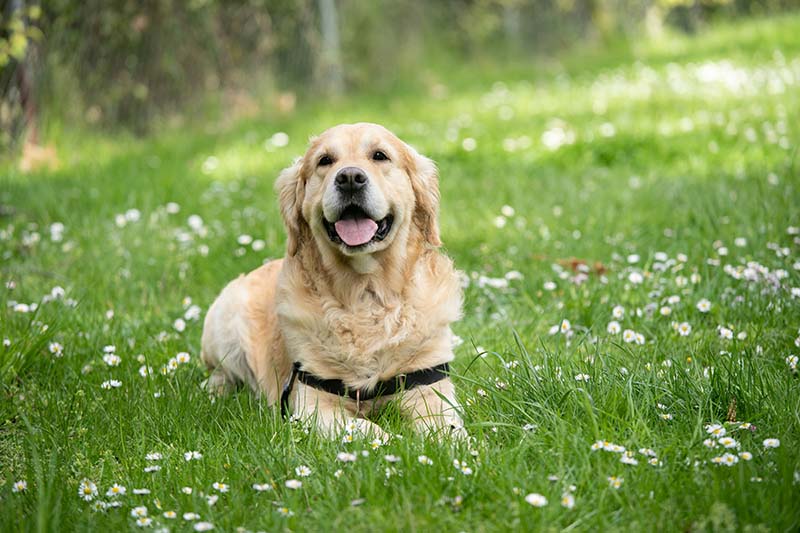
Golden Retriever
Golden Retrievers have dense double coats that trap loose hair and moisture.
Regular brushing helps:
- Prevent mats
- Improve airflow
- Distribute natural oils
- Reduce hot spots
During seasonal shedding, daily brushing is ideal.
Read our complete Golden Retriever Breed Guide to learn more about their grooming and health requirements.
Labrador Retriever
Labradors naturally produce skin oils that help waterproof their coat.
Overbathing can strip these protective oils.
Brush once or twice weekly and bathe only when necessary.
Our Labrador Retriever Breed Guide explains their grooming schedule, coat care, shedding patterns, and common skin and health concerns.
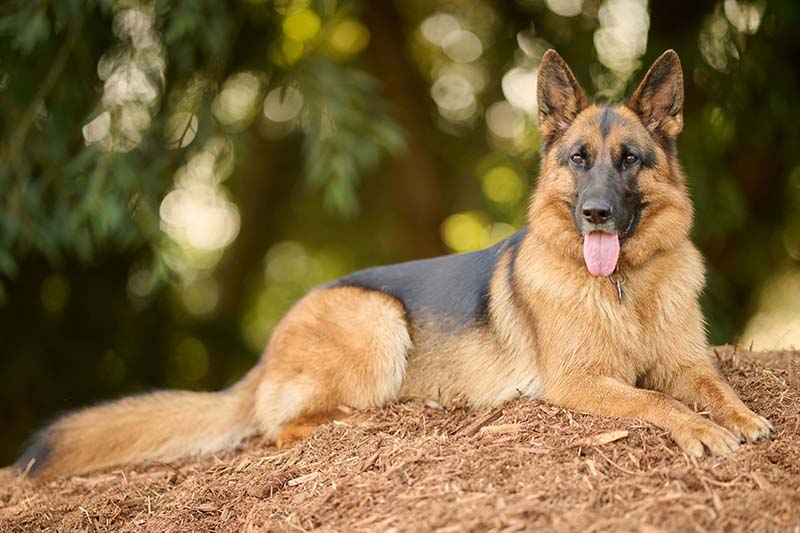
German Shepherd
German Shepherds shed heavily throughout the year.
Frequent brushing removes dead undercoat and keeps the skin healthy.
Monitor for hot spots during warm weather.
Our German Shepherd Breed Guide explains their grooming schedule, coat care, and common health concerns.
Poodle
Poodles have continuously growing hair that mats easily.
Mats pull tightly on the skin, causing discomfort and increasing the risk of skin infections.
Professional grooming every 6–8 weeks helps maintain healthy skin.
French Bulldog
French Bulldogs require regular wrinkle cleaning.
Always dry facial folds completely after cleaning to reduce bacterial and yeast growth.
Monitor skin folds weekly for redness or odor.
Our French Bulldog Breed Guide explains skin fold care, bathing routines, allergy prevention, and common health concerns affecting the breed.
Beagle
Beagles generally have healthy skin but can develop allergies.
Routine brushing removes loose hair and stimulates healthy oil production.
Our Beagle Breed Guide covers coat maintenance, ear care, bathing routines, and common skin and health concerns to help keep your Beagle healthy.
Siberian Husky
Huskies naturally have a thick double coat.
Avoid shaving them unless medically necessary.
Their coat provides insulation against both hot and cold weather while protecting the skin from sunburn. Follow our Siberian Husky Breed Guide for detailed information.
Managing Allergies and Itchy Skin
Skin allergies are among the most common long-term conditions affecting dogs.
Common Symptoms
- Persistent scratching
- Ear infections
- Paw chewing
- Face rubbing
- Red skin
- Hair loss
- Recurrent hot spots
Common Allergy Types
Environmental Allergies
Often triggered by:
- Grass
- Trees
- Mold
- Dust mites
- Pollen
Food Allergies
Less common but possible.
Typical food allergens include:
- Beef
- Chicken
- Dairy
- Wheat
- Soy
Diagnosing food allergies usually requires a veterinarian-supervised elimination diet.
Home Care Tips
While home care cannot cure allergies, it can reduce discomfort:
- Bathe with hypoallergenic shampoo.
- Brush regularly.
- Keep bedding clean.
- Wipe paws after walks.
- Follow parasite prevention consistently.
- Feed a balanced diet rich in omega fatty acids.
Avoid trying multiple supplements or home remedies at once. Introducing one change at a time makes it easier to identify what works. Our Dog Allergy Guide is a comprehensive resource to help you identify, manage, and prevent allergies in your dog.
Signs Your Dog Needs Veterinary Care
Some skin problems require professional treatment rather than home care.
Schedule a veterinary appointment if you notice:
- Severe itching lasting more than a few days
- Bleeding skin
- Open sores
- Large bald patches
- Swelling
- Pus or discharge
- Persistent foul odor
- Recurring ear infections
- Sudden lumps
- Rapidly spreading rashes
- Weight loss alongside skin problems
Early diagnosis can prevent small issues from becoming chronic skin diseases.
Common Dog Skin Care Mistakes to Avoid
Even well-meaning dog owners can unknowingly contribute to skin problems. Avoiding these common mistakes can help keep your dog’s skin healthy and reduce the risk of irritation, infections, and excessive shedding.
Mistake 1 – Bathing Too Frequently
A common misconception is that frequent bathing equals a cleaner, healthier dog. In reality, overbathing strips away the natural oils that keep your dog’s skin moisturized and protected.
Signs of overbathing include:
- Dry, flaky skin
- Increased itching
- Dull coat
- Excessive shedding
For most healthy dogs, bathing every 4–8 weeks is sufficient, although active dogs or those with certain medical conditions may need more frequent baths based on your veterinarian’s advice.
Mistake 2 – Using Human Shampoo
Human skin has a different pH than canine skin. Shampoos designed for people can disrupt your dog’s natural skin barrier, leading to dryness and irritation.
Always choose a shampoo formulated specifically for dogs and matched to your dog’s skin type, whether it’s sensitive, dry, medicated, or deodorizing.
If you’re unsure which product to buy, check out our Best Dog Shampoo Guide for expert recommendations and tips on choosing the right formula.
Mistake 3 – Not Brushing Regularly
Skipping brushing allows loose fur, dirt, and debris to accumulate. In long-haired or double-coated breeds, mats can trap moisture against the skin and increase the risk of painful hot spots and infections.
Even short-haired dogs benefit from regular brushing, which distributes natural oils and stimulates healthy circulation.
Mistake 4 – Ignoring Persistent Scratching
Occasional scratching is normal. However, frequent scratching, licking, or chewing should never be ignored.
Persistent itching may indicate:
- Allergies
- Fleas
- Mites
- Bacterial infections
- Yeast infections
- Hormonal disorders
Early veterinary care can prevent more serious complications.
Mistake 5 – Skipping Flea and Tick Prevention
Many owners stop using parasite preventatives during cooler months. However, fleas and ticks can remain active year-round in many regions and inside heated homes.
Consistent parasite prevention is one of the most effective ways to maintain healthy skin.
Mistake 6 – Feeding a Poor-Quality Diet
The skin constantly regenerates and depends on proper nutrition.
Low-quality diets lacking essential nutrients may contribute to:
- Dry skin
- Excessive shedding
- Poor coat quality
- Slow wound healing
Choose a complete and balanced dog food that contains high-quality protein and healthy fats.
Mistake 7 – Leaving the Coat Damp
After bathing or swimming, moisture trapped beneath the coat or inside skin folds can encourage bacterial and yeast growth.
Always dry your dog thoroughly, especially:
- Under the neck
- Behind the ears
- Between the toes
- Under the tail
- Inside skin folds
- Beneath thick double coats
Expert Tips for Healthy Dog Skin
Professional groomers and veterinarians often recommend the following habits to maintain healthy skin throughout the year.
Brush Before Bathing
Removing loose hair and tangles before bathing allows shampoo to reach the skin more effectively and reduces matting.
Choose Grooming Tools Based on Coat Type
Different coat types require different brushes.
For example:
- Slicker brushes for long-haired breeds
- Rubber curry brushes for short coats
- Undercoat rakes for double-coated breeds
- Pin brushes for silky coats
Using the wrong brush may irritate the skin or fail to remove loose undercoat effectively.
Check the Skin During Every Grooming Session
Each brushing session is an opportunity to inspect your dog’s skin for:
- Lumps
- Ticks
- Fleas
- Cuts
- Hot spots
- Bald patches
- Rashes
Early detection often makes treatment easier and less expensive.
Maintain a Healthy Weight
Overweight dogs may develop deeper skin folds and have difficulty grooming themselves. Maintaining a healthy body weight can reduce skin fold irritation and improve overall health.
Keep Nails Trimmed
Long nails change the way a dog walks and may lead to excessive licking or chewing of the paws.
Trim nails regularly using quality nail clippers or a grinder.
Learn how to choose safe grooming tools in our Best Dog Nail Clippers Guide.
Wash Bedding Frequently
Dog beds, blankets, and crate mats collect:
- Dirt
- Saliva
- Skin flakes
- Allergens
- Flea eggs
Wash bedding every one to two weeks using a pet-safe detergent to reduce allergens and bacteria.
Monitor Seasonal Changes
Dogs often require different skin care routines depending on the weather.
Increase brushing during shedding seasons, moisturize dry skin during winter, and pay extra attention to parasite prevention during warmer months.
Recommended Products for Healthy Dog Skin
The right grooming products can help maintain healthy skin and prevent common problems. Choose products that match your dog’s coat type, skin sensitivity, and grooming needs.
1. Dog Shampoo
A high-quality dog shampoo should:
- Be pH-balanced for dogs
- Clean without stripping natural oils
- Rinse easily
- Support healthy skin and coat
Look for formulas designed for:
- Sensitive skin
- Dry skin
- Oatmeal therapy
- Hypoallergenic care
- Medicated use (only if recommended by your veterinarian)
Read our comprehensive Best Dog Shampoo Guide for detailed product reviews and buying advice.
2. Dog Brush
Regular brushing keeps the skin healthy by distributing natural oils and removing loose fur.
The ideal brush depends on your dog’s coat type.
Our Best Dog Brushes Guide compares slicker brushes, deshedding tools, grooming gloves, and pin brushes to help you choose the best option.
3. Dog Hair Dryer
Drying your dog’s coat thoroughly after a bath is essential for maintaining healthy skin. Damp fur can trap moisture against the skin, increasing the risk of bacterial or yeast infections, particularly in double-coated and long-haired breeds. A dog-specific hair dryer dries the coat faster than air drying while using safer temperatures and airflow than a standard human hair dryer.
Explore our Best Dog Hair Dryers guide to find the best high-velocity and low-noise dryers for home grooming, along with expert buying tips for every dog breed.
4. Dog Nail Clippers
Well-trimmed nails improve posture and reduce unnecessary paw irritation.
Choose nail clippers that feature:
- Sharp stainless steel blades
- Comfortable handles
- Safety guards
- Non-slip grips
Before you buy, explore our Best Dog Nail Clippers guide, where we compare scissor-style clippers, guillotine clippers, and nail grinders to help you choose the safest and most effective option for your dog.
5. Grooming Wipes
Pet-safe grooming wipes are excellent for:
- Cleaning paws
- Removing pollen
- Wiping facial folds
- Freshening the coat between baths
They are especially useful after outdoor walks.
6. Omega-3 Fish Oil Supplements
For dogs with dry skin or dull coats, your veterinarian may recommend omega-3 supplements.
Potential benefits include:
- Improved skin hydration
- Reduced inflammation
- Shinier coat
- Reduced shedding
Always consult your veterinarian before starting supplements.
Frequently Asked Questions (FAQs)
1. How often should I bathe my dog?
Most healthy dogs only need a bath every 4–8 weeks, depending on their breed, coat type, activity level, and lifestyle.
2. Why is my dog constantly scratching?
Persistent scratching is often caused by allergies, fleas, mites, infections, or dry skin. If the itching continues for several days or worsens, consult your veterinarian.
3. Is dandruff normal in dogs?
A few flakes may occasionally appear, but persistent dandruff usually indicates dry skin, allergies, poor nutrition, or an underlying medical condition.
4. Can I use coconut oil on my dog’s skin?
Some veterinarians recommend coconut oil for minor dry skin, but excessive use may clog pores or upset the stomach if licked. Always ask your veterinarian before applying it regularly.
5. What foods help improve my dog’s skin?
Foods rich in:
- High-quality protein
- Omega-3 fatty acids
- Omega-6 fatty acids
- Vitamin E
- Zinc
can help maintain healthy skin and a shiny coat.
6. Why does my dog smell bad even after a bath?
A persistent odor may indicate a bacterial infection, yeast infection, dental disease, ear infection, or another medical issue that requires veterinary evaluation.
7. Can stress affect my dog’s skin?
Yes. Stress may contribute to excessive licking, chewing, scratching, and hair loss in some dogs. Providing regular exercise, mental stimulation, and a predictable routine can help reduce stress-related behaviors.
8. Should I shave my double-coated dog during summer?
Generally, no. Double coats help regulate body temperature and protect the skin from sunburn. Unless your veterinarian recommends shaving for medical reasons, regular brushing is usually the better option.
9. How can I reduce shedding while keeping my dog’s skin healthy?
Brush your dog regularly, feed a balanced diet, bathe appropriately, and use the right grooming tools. Seasonal shedding is normal for many breeds.
10. When should I see a veterinarian for skin problems?
Seek veterinary care if your dog develops severe itching, open sores, swelling, bleeding, pus, a strong odor, widespread hair loss, or skin changes that do not improve within a few days. For additional guidance on preventive healthcare and wellness, follow the American Animal Hospital Association (AAHA) pet care resources:
Final Thoughts
Healthy skin is essential to your dog’s comfort, appearance, and overall well-being. By following a consistent skin care routine—including regular brushing, proper bathing, balanced nutrition, parasite prevention, and routine skin checks—you can prevent many common skin problems before they become serious.
Remember that every dog is unique. Breed, age, environment, and individual health all influence skin care needs. Pay attention to changes in your dog’s skin or coat, and don’t hesitate to seek veterinary advice if something seems unusual.
A little preventative care goes a long way. With the right routine and high-quality grooming products, you can help your dog enjoy healthy, itch-free skin and a soft, shiny coat throughout every season.