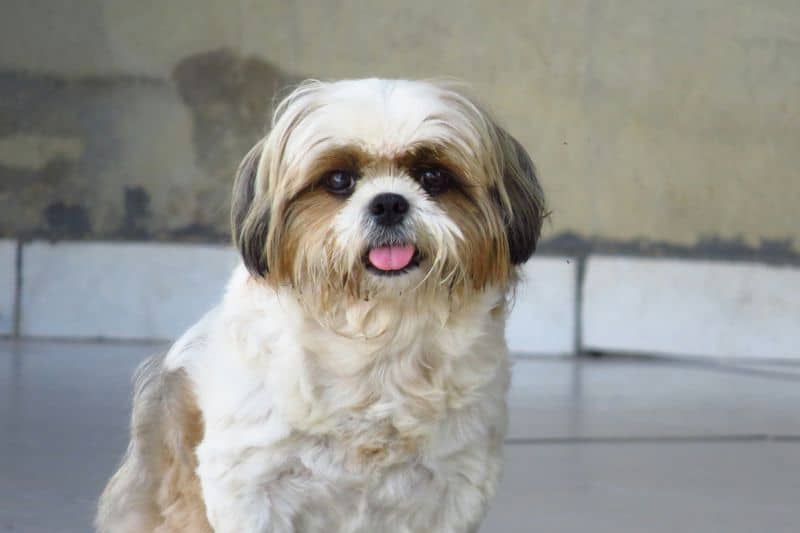
The Shih Tzu is a small companion dog known for its affectionate personality, long flowing coat, expressive eyes, and confident attitude. Despite its tiny size, this breed often behaves as though it has a much bigger personality.
Originally developed as a companion dog, the Shih Tzu is happiest when it can stay close to its people. It can adapt well to apartments, smaller homes, and suburban living. However, its beautiful coat requires consistent grooming, and its short facial structure means owners need to pay attention to heat, breathing, dental, and eye care.
For many US households, the Shih Tzu can be an excellent choice for families, singles, seniors, and first-time dog owners. It does not require hours of intense exercise, but it does need daily attention, training, companionship, and regular grooming.
If you’re considering bringing one home, this guide covers the Shih Tzu temperament, care requirements, training, grooming, health, diet, price, and overall cost of ownership.
Quick Shih Tzu Breed Overview
| Characteristic | Details |
|---|---|
| Origin | China/Tibet |
| Breed Type | Companion dog |
| Size | Small |
| Height | About 9–10.5 inches |
| Weight | 9–16 lbs |
| Lifespan | About 10–18 years |
| Temperament | Affectionate, outgoing, playful, confident |
| Coat Type | Long, dense, double coat |
| Grooming Needs | High |
| Energy Level | Low to moderate |
| Trainability | Moderate |
| Shedding | Low to moderate |
| Exercise Needs | Moderate |
| Family Friendly | Yes, with proper supervision |
| Apartment Friendly | Excellent |
| Other Pets | Usually good with socialization |
| Typical US Puppy Price | Often $1,000–$3,000+ |
| Best For | Companionship, apartments, families, singles |
Individual dogs can differ significantly. Health, genetics, breeder quality, location, pedigree, and early socialization can all affect the Shih Tzu’s behavior and care requirements. For additional breed-standard information, characteristics, and care guidance, see the American Kennel Club’s Shih Tzu breed profile.
Key Characteristics of the Shih Tzu
Energy Level: Low to Moderate
The Shih Tzu generally does not need the intense exercise associated with athletic breeds such as the Labrador Retriever or Siberian Husky.
A few short walks combined with indoor play can often meet its daily exercise needs. However, “low energy” does not mean “no exercise.”
Regular movement helps maintain a healthy weight and gives your dog mental stimulation.
Trainability: Moderate
Shih Tzus are intelligent, but they can also be independent.
They often learn commands quickly when training is fun and rewarding. The challenge is getting them to consistently choose the behavior you want.
Harsh corrections can make training more difficult. Positive reinforcement, repetition, treats, and short sessions generally work better.
Friendliness: High
A well-socialized Shih Tzu is usually affectionate with its family and comfortable around people.
Many enjoy being the center of attention and may happily greet visitors. This makes them appealing companion dogs for households that want an interactive pet rather than an independent dog.
Shedding: Low to Moderate
The Shih Tzu’s long coat can give the impression that it sheds heavily, but much of the loose hair tends to become trapped within the coat.
That does not mean the breed is maintenance-free or truly hypoallergenic.
Regular brushing is essential because loose hair can contribute to tangles and mats.
Shih Tzu Breed History
The history of the Shih Tzu is closely associated with the royal courts of China, although its ancestry is connected to older companion dogs from Tibet.
The breed was developed primarily as a companion dog, rather than for hunting, herding, guarding, or retrieving.
That history helps explain much of the modern Shih Tzu’s personality.
This is a dog that was bred to live closely with people. It generally wants to be part of household activities and can become unhappy if it is routinely left alone for long periods.
The breed became increasingly popular in the United States during the 20th century and is now one of the most recognizable small companion breeds.
Its luxurious coat and distinctive facial features contribute heavily to its popularity.
However, potential owners should look beyond appearance. A Shih Tzu may be small enough to fit comfortably into an apartment, but it still requires daily interaction, grooming, training, and veterinary care.
Shih Tzu Temperament & Personality
The Shih Tzu is often described as affectionate, playful, social, and confident.
One of its defining characteristics is its strong attachment to people.
Unlike some independent breeds, a Shih Tzu often wants to follow its owner from room to room. It may sit beside you while you work, relax near you while watching television, or curl up next to you at bedtime.
This makes the breed especially appealing to people looking for a true companion dog.
Are Shih Tzus Good Family Dogs?
Yes, a Shih Tzu can be an excellent family dog.
Its small size and generally friendly personality make it suitable for many households. However, families with very young children need to teach children how to handle a small dog safely.
A Shih Tzu’s body is relatively small and can be injured by rough play, accidental falls, or being dropped.
Children should learn to:
- Avoid pulling the dog’s tail or coat
- Leave the dog alone while eating
- Avoid grabbing its face
- Respect its sleeping area
- Ask before picking it up
- Use gentle play
Supervision is especially important with young children.
Shih Tzu and Other Dogs
Most Shih Tzus can live successfully with other dogs when introduced properly.
Early socialization can help puppies become comfortable around dogs of different sizes and personalities.
Because the Shih Tzu is small, however, owners should be cautious when pairing it with much larger or highly energetic dogs.
A large dog that wants to play roughly may unintentionally injure a Shih Tzu even without aggressive intentions.
Shih Tzu and Cats
Many Shih Tzus can coexist peacefully with cats.
The breed does not have the same strong working-drive profile as many hunting or herding breeds. Still, every dog is an individual.
A puppy introduced to cats gradually and positively may have an easier time accepting them as part of the household.
Never assume two animals will automatically get along because of their breed.
Shih Tzu Behavior and Separation
The Shih Tzu’s biggest personality advantage can also become a challenge.
Because this breed was developed for companionship, some individuals become overly dependent on their owners.
A dog that receives attention every minute of the day may struggle when suddenly left alone for several hours.
Possible signs of separation-related stress include:
- Excessive barking
- Whining
- Scratching at doors
- Destructive behavior
- Restlessness
- Indoor accidents
- Excessive attention-seeking
This is one reason it is useful to teach independence from puppyhood.
Give your Shih Tzu opportunities to relax alone in a safe area. Gradually increase the amount of time it spends separated from you.
Avoid making departures and arrivals overly dramatic.
Training a Shih Tzu
Training a Shih Tzu can be rewarding, but owners should adjust their expectations.
This is not a breed that necessarily responds like a highly obedience-driven working dog.
A Shih Tzu may understand exactly what you want and still decide that it would rather do something else.
That can make owners think the dog is unintelligent.
In reality, the breed can be quite clever. The issue is often motivation and consistency.
Use Positive Reinforcement
Reward-based training is a good starting point.
Use:
- Small treats
- Praise
- Toys
- Short training sessions
- Consistent commands
- Immediate rewards
For example, if you’re teaching “sit,” give the reward immediately after the dog performs the behavior.
This helps the dog connect the action with the reward.
Keep Training Sessions Short
Long training sessions can quickly become boring for a small companion dog.
Try several short sessions throughout the day instead of one long session.
Five to ten minutes of focused training can be more productive than a 30-minute session where the dog loses interest.
House Training Requires Patience
House training can sometimes take longer than new owners expect.
The key is consistency.
Take your puppy outside:
- After waking up
- After eating
- After playing
- Before bedtime
- At regular intervals during the day
When the puppy eliminates in the correct location, reward it immediately.
Accidents should be handled calmly. Punishing a puppy after the fact does not teach it what behavior you wanted.
Socialization for Shih Tzu Puppies
Early socialization can have a major effect on a Shih Tzu’s adult personality.
A puppy should gradually experience different people, sounds, surfaces, environments, and appropriately vaccinated dogs.
Positive exposure can help prevent fear and nervousness later in life.
Introduce new experiences gradually rather than overwhelming the puppy.
For example, instead of taking a nervous puppy into a crowded environment immediately, begin with a quieter location.
Reward calm behavior.
Puppy training classes can also provide useful structure. Choose a class that uses positive reinforcement and follows appropriate vaccination and health precautions.
Socialization should not stop when puppyhood ends. Continue exposing your Shih Tzu to new experiences throughout its life.
Is a Shih Tzu Right for You?
The Shih Tzu can fit remarkably well into the right US household.
Before buying or adopting one, consider the following.
A Shih Tzu May Be a Good Match If You:
- Want a small companion dog
- Live in an apartment or condo
- Prefer moderate exercise requirements
- Enjoy spending time with your dog
- Are willing to maintain a long coat
- Want an affectionate household pet
- Can budget for regular grooming
- Are comfortable with routine veterinary care
- Prefer a dog that stays relatively close to its family
You May Want Another Breed If You:
- Want a dog for long-distance running
- Prefer a very independent dog
- Do not have time for regular grooming
- Frequently leave your dog alone for long periods
- Want a dog with minimal maintenance
- Prefer a highly athletic outdoor companion
For comparison, people seeking a more active family dog might prefer a Labrador Retriever, while someone interested in a larger, highly intelligent working breed might look at a German Shepherd. A Shih Tzu fills a very different role: it is primarily a small companion dog.
Shih Tzu in an Apartment
Apartment living is one of the areas where the Shih Tzu can excel.
Its compact size means it does not require a large backyard.
However, apartment owners should not overlook exercise and mental stimulation.
A good routine might include:
- A morning potty walk
- Short indoor play
- Brief obedience training
- Another walk later in the day
- Interactive toys
- Plenty of companionship
Noise can also be an issue.
Some Shih Tzus become vocal when they hear unfamiliar sounds or see people passing outside. Teaching a “quiet” cue and rewarding calm behavior can help.
Do not rely on constant barking to alert you to every hallway noise.
Shih Tzu Care & Maintenance
The Shih Tzu is small, but its grooming requirements are significant.
The long coat needs regular attention to prevent tangles, mats, and discomfort.
If you want to keep the traditional long coat, daily brushing is often the safest approach.
Owners who prefer easier maintenance may choose a shorter “puppy cut.” A shorter haircut can reduce brushing time, although regular professional or at-home grooming is still necessary.
If you’re building a complete home grooming routine, our Dog Grooming Guide can help you understand the overall grooming process, while Best Dog Grooming Kits can help you choose the basic tools needed for routine maintenance.
Brushing
Use a suitable brush and work through the coat carefully.
Pay particular attention to:
- Behind the ears
- Legs
- Armpits
- Chest
- Belly
- Tail
- Around the collar area
These areas can develop tangles quickly.
Our Best Dog Brushes guide can be useful when choosing a brush for regular coat maintenance.
Bathing
Shih Tzus usually need regular baths because their long coat can collect dirt and debris.
However, excessive bathing with unsuitable products can dry or irritate the skin.
Use a dog-specific shampoo and rinse thoroughly.
For a step-by-step routine, see our Dog Bathing Guide and Best Dog Shampoo guide.
Drying the Coat
Drying is particularly important with a long-haired Shih Tzu.
Leaving the coat damp for extended periods can contribute to skin problems and uncomfortable matting.
A suitable pet dryer can make the process easier, particularly for owners who bathe their dogs at home.
See our Best Dog Hair Dryers guide for options designed for pet grooming.
Shih Tzu Exercise and Daily Routine
One of the biggest advantages of owning a Shih Tzu is that you do not need a huge yard or an intense exercise routine to keep this breed active.
The Shih Tzu was developed primarily as a companion dog. Short daily walks and indoor play are usually enough to meet its physical activity needs.
However, exercise should still be part of the daily routine.
A typical adult Shih Tzu may enjoy:
- Two short walks
- Indoor games
- Short obedience sessions
- Puzzle toys
- Supervised play with another dog
- Exploring new environments
A 15–20 minute walk can be a useful starting point, although the ideal amount varies by age, health, weather, and individual energy level.
Don’t Overexercise a Shih Tzu
Because of its short face and compact build, a Shih Tzu is not an ideal partner for strenuous exercise in hot weather.
Heat deserves particular attention.
The breed’s heavy coat and short facial structure make it less tolerant of high temperatures. The American Kennel Club specifically cautions that Shih Tzus do not tolerate heat well.
During hot US summers:
- Walk during cooler parts of the day.
- Provide access to fresh water.
- Avoid prolonged outdoor activity.
- Watch for excessive panting or unusual fatigue.
- Never leave your dog in a parked vehicle.
- Provide a cool indoor area.
When temperatures rise, indoor play can be a safer way to provide stimulation.
Shih Tzu Grooming Guide
Grooming is probably the biggest ongoing commitment associated with a Shih Tzu.
That beautiful flowing coat does not stay beautiful by itself.
A long-coated Shih Tzu requires frequent brushing to prevent mats. The American Kennel Club recommends daily brushing for dogs maintained in a long coat.
If you do not have time for daily coat maintenance, a shorter haircut can make life much easier.
Long Coat vs. Puppy Cut
There are two common approaches.
Long Coat
A long coat gives the classic Shih Tzu appearance.
However, it requires considerable maintenance.
You will need to:
- Brush frequently
- Comb the face and topknot
- Check for mats
- Keep the coat clean
- Bathe regularly
- Dry the coat thoroughly
- Maintain the hair around the eyes
Puppy Cut
A shorter trim is often much easier for everyday family life.
It reduces the amount of brushing required and can make bathing and drying easier.
A professional groomer can typically maintain a short Shih Tzu haircut on a regular schedule. AKC guidance notes that a puppy-style trim can be maintained with grooming appointments roughly every four to six weeks.
For busy owners, this can be a practical compromise between appearance and maintenance.
Brushing a Shih Tzu
Brushing should become a normal part of your Shih Tzu’s routine from puppyhood.
Do not wait until the coat is severely tangled.
Start slowly and reward your dog for remaining calm.
Pay special attention to areas where friction causes tangles:
- Behind the ears
- Under the legs
- Around the collar
- Chest
- Belly
- Tail
- Armpits
- Around the rear legs
When brushing a long coat, you need to reach through the hair rather than simply brushing the surface.
A suitable pin or slicker-style brush can help separate the coat and remove tangles. AKC grooming guidance recommends using a quality wire brush with flexible pins and working through the layers of the coat.
If you’re building a grooming station at home, our Best Dog Brushes guide can help you compare brush types for regular coat care.
Shih Tzu Face and Eye Care
The Shih Tzu’s large eyes and facial hair are among its most recognizable features.
They also require regular attention.
Hair around the face can collect moisture and debris. The hair on top of the head should either be kept short or secured appropriately to help prevent irritation around the eyes.
Gently inspect the eye area every day.
If you notice:
- Persistent redness
- Swelling
- Cloudiness
- Excessive tearing
- Squinting
- Discharge
- Frequent pawing at the eye
contact your veterinarian.
Do not assume an eye problem is simply a grooming issue.
Shih Tzu Ear Care
The Shih Tzu’s floppy ears and dense hair can make routine ear care important.
Check the ears regularly for:
- Unusual odor
- Redness
- Excessive wax
- Moisture
- Swelling
- Frequent scratching
- Head shaking
Do not insert cotton swabs deep into the ear canal.
If your veterinarian recommends an ear-cleaning product, follow the product instructions and your vet’s guidance.
Regular grooming appointments can also provide an opportunity to identify changes that may need veterinary attention.
Shih Tzu Dental Care
Dental hygiene is another area that new owners sometimes underestimate.
Small dogs can be particularly challenging to keep on a consistent dental routine, and a Shih Tzu’s compact facial structure makes regular oral care especially worthwhile.
Ideally, introduce tooth brushing while your dog is young.
Start by allowing your puppy to become comfortable with the toothbrush and dog-safe toothpaste.
Then gradually increase brushing time.
Do not use human toothpaste unless your veterinarian specifically tells you it is safe.
Regular veterinary dental examinations should also be part of your dog’s healthcare routine.
Shih Tzu Nail Care
Overgrown nails can affect how a dog walks and stands.
Because the Shih Tzu has plenty of hair around its feet, nail length can sometimes be overlooked.
Check the nails regularly and trim them when needed.
The hair between the paw pads may also need attention. Properly maintained foot hair can help reduce irritation and improve traction.
If you’re uncomfortable trimming nails yourself, a professional groomer or veterinary team can help.
For owners who want to handle basic nail maintenance at home, see our Best Dog Nail Clippers guide.
Shih Tzu Bathing Routine
A Shih Tzu’s long coat can collect dirt quickly, especially when the dog spends time outdoors.
Regular bathing helps keep the coat clean, but bathing too frequently with harsh products can contribute to dry or irritated skin.
The appropriate bathing schedule depends on:
- Coat length
- Skin condition
- Outdoor activity
- Grooming routine
- Veterinary recommendations
AKC guidance suggests bathing a long-coated Shih Tzu around every three to four weeks, while grooming schedules can vary between individual dogs.
Always use a shampoo formulated specifically for dogs.
Our Best Dog Shampoo guide can help you choose an appropriate product for your grooming routine.
For the complete bathing process, including preparation, washing, rinsing, and drying, see our Dog Bathing Guide.
Drying a Shih Tzu After a Bath
Drying deserves more attention than simply wrapping your dog in a towel.
The dense coat can hold moisture close to the skin.
After bathing:
- Gently squeeze excess water from the coat.
- Towel dry without aggressive rubbing.
- Carefully brush or comb the coat.
- Use an appropriate pet dryer if needed.
- Keep the dog comfortable throughout the process.
- Make sure the coat is thoroughly dry.
Introduce the sound and sensation of a dryer gradually.
A puppy that learns early that grooming is safe and predictable is usually easier to maintain as an adult.
Our Best Dog Hair Dryers guide can help if you’re planning to handle bathing and drying at home.
Shih Tzu Skin Care
A healthy coat starts with healthy skin.
Watch for:
- Excessive scratching
- Redness
- Flaking
- Hot spots
- Unusual odor
- Hair loss
- Persistent licking
- Repeated ear problems
A Shih Tzu with a dense coat can sometimes hide skin problems until they become noticeable.
Regular brushing gives you an opportunity to inspect the skin.
If you notice persistent irritation, don’t simply change shampoos repeatedly. A veterinarian can help determine whether the problem involves allergies, parasites, infection, grooming products, or another underlying issue.
Our Dog Skin Care Guide provides additional information about maintaining healthy canine skin.
Shih Tzu Allergies
Like other dogs, Shih Tzus can develop allergies.
Possible signs include:
- Itchy skin
- Paw licking
- Ear irritation
- Redness
- Recurrent skin problems
- Excessive scratching
- Hair loss from persistent licking or scratching
Allergies can have different causes, including environmental triggers, parasites, and food-related reactions.
That means changing food without understanding the cause may not solve the problem.
If your Shih Tzu develops persistent itching or recurring skin issues, speak with your veterinarian.
Our Dog Allergy Guide provides a broader explanation of common allergy symptoms and management considerations.
Common Shih Tzu Health Problems
A Shih Tzu can live a long life, but prospective owners should understand the health issues that may occur in the breed.
The American Kennel Club notes that responsible breeders screen for conditions including patellar luxation and several eye problems. It also highlights the breed’s sensitivity to heat and swimming limitations. Because Shih Tzus can be prone to concerns involving breathing, eyes, joints, dental health, and weight, owners can also review PetMD’s Shih Tzu health and care guide for additional veterinary-reviewed information.
Some health concerns worth discussing with your veterinarian include:
Eye Problems
The Shih Tzu’s prominent eyes require careful attention.
Potential eye problems can include:
- Cataracts
- Progressive retinal atrophy
- Retinal detachment
- Corneal dryness or inflammation
- Eye irritation
Seek veterinary care when you notice a sudden change in the appearance or behavior of your dog’s eyes.
Patellar Luxation
Patellar luxation involves movement of the kneecap out of its normal position.
Signs can include intermittent limping, skipping steps, or suddenly holding up a rear leg.
Your veterinarian can evaluate your dog’s knees during routine examinations.
Dental Problems
Small dogs can require particularly consistent dental care.
Daily tooth brushing, appropriate veterinary examinations, and professional dental care when recommended can help protect oral health.
Weight Gain
A Shih Tzu does not need huge amounts of food.
Extra treats can add calories quickly because of the dog’s small body size.
Keeping your dog at a healthy weight can reduce unnecessary strain on its joints and support overall health.
Heat-Related Problems
The combination of a short facial structure and heavy coat means hot weather deserves special consideration.
Avoid strenuous activity during hot conditions and provide a cool environment.
Breathing Concerns
Because the Shih Tzu has a short muzzle, some individuals can experience breathing difficulties.
Heavy breathing, extreme exercise intolerance, or breathing that appears abnormal should not be dismissed as simply “normal for the breed.”
A veterinarian should evaluate concerning symptoms.
Preventive Veterinary Care
One of the best ways to protect your Shih Tzu is to establish a relationship with a veterinarian early.
Routine appointments can help monitor:
- Weight
- Teeth
- Eyes
- Ears
- Knees
- Skin
- Vaccinations
- Parasite prevention
- Overall development
Puppies typically need more frequent veterinary visits during their first year.
Adult dogs should continue receiving regular preventive care based on their veterinarian’s recommendations.
Senior Shih Tzus may need additional monitoring as they age.
Shih Tzu Diet & Nutrition
Nutrition plays an important role in keeping a small dog healthy.
A Shih Tzu should generally receive a complete and balanced diet appropriate for its life stage.
The nutritional needs of a puppy are different from those of an adult or senior dog.
The American Kennel Club recommends high-quality dog food appropriate for the dog’s age and notes that calorie intake should be monitored because some Shih Tzus can become overweight.
When choosing commercial food, look for a product that is appropriate for your dog’s life stage and meets applicable nutritional adequacy standards.
Our Best Dog Foods guide can help you compare options for different nutritional needs.
How Much Should a Shih Tzu Eat?
There is no single feeding amount that works for every Shih Tzu.
The correct portion depends on factors such as:
- Age
- Weight
- Activity level
- Metabolism
- Health
- Food calorie density
- Body condition
Start with the feeding guidance provided by the food manufacturer, then adjust with your veterinarian if necessary.
Treats should also count toward the dog’s overall calorie intake.
A tiny treat may seem insignificant, but several treats throughout the day can make a meaningful difference for a 10–15 lb dog.
Shih Tzu Puppy Feeding Schedule
Young puppies generally need more frequent meals than adult dogs.
A practical routine may involve multiple small meals during the early puppy stage, gradually transitioning toward fewer meals as the puppy matures.
The American Shih Tzu Club’s puppy guidance describes three meals per day through approximately six months, followed by two meals per day as the puppy gets older.
However, feeding schedules should be adjusted according to the individual puppy’s growth, food, health, and veterinary recommendations.
Fresh water should always be available.
Avoid Overfeeding Your Shih Tzu
One of the easiest mistakes to make with a small companion dog is confusing affection with food.
Your Shih Tzu may look at you with those large expressive eyes and appear to be asking for another treat.
That does not necessarily mean it needs one.
Instead of rewarding every request with food, try:
- Praise
- Petting
- A short play session
- A favorite toy
- Training with part of the dog’s normal food allowance
Maintaining a healthy body condition is much more important than keeping your dog slightly overweight because it “looks cute.”
Should Shih Tzus Eat Human Food?
Some human foods can be safe for dogs in appropriate amounts, while others can be dangerous.
Because of the Shih Tzu’s small size, accidental exposure to certain foods can also represent a significant portion of its body weight.
Avoid casually feeding table scraps.
Instead, keep the dog’s primary diet consistent and ask your veterinarian before adding new foods, supplements, or homemade meals.
If you want to prepare a homemade diet, veterinary guidance is especially important to make sure nutritional requirements are actually being met.
Building a Complete Shih Tzu Care Routine
The easiest way to manage Shih Tzu ownership is to make care predictable.
A simple routine might look like this:
Every day
- Feed measured meals
- Provide fresh water
- Brush the coat if kept long
- Check the eyes and face
- Provide short walks
- Play and provide mental stimulation
- Practice a few training exercises
Several times per week
- Check ears
- Inspect paws
- Check for mats
- Monitor nails
- Brush teeth regularly
Every few weeks
- Bathe as appropriate
- Thoroughly dry the coat
- Inspect skin and coat
Every few weeks to several weeks
- Professional grooming if maintaining a short haircut
Regularly
- Veterinary examinations
- Vaccinations
- Parasite prevention
- Dental evaluation
- Weight monitoring
The key is consistency. Shih Tzu care becomes much easier when grooming, exercise, feeding, and training are normal parts of everyday life.
Shih Tzu Price & Cost in the US
The purchase price is only one part of the cost of owning a Shih Tzu.
Before bringing a puppy home, prospective owners should budget for food, grooming, veterinary care, training, supplies, parasite prevention, and unexpected medical expenses.
The total cost can vary considerably depending on where you live, whether you adopt or purchase from a breeder, the dog’s age, and the level of care you provide.
How Much Does a Shih Tzu Puppy Cost?
In the United States, a Shih Tzu puppy from a responsible breeder commonly falls somewhere around $1,500 to $3,500 or more.
Some puppies can cost substantially more.
Price can be influenced by:
- Breeder reputation
- Health testing
- Pedigree
- Location
- Show potential
- Breeding history
- Puppy socialization
- Included veterinary care
- Registration and documentation
A very high price does not automatically mean a healthier puppy.
Likewise, an unusually cheap puppy deserves careful investigation.
Rather than choosing a breeder based only on price, ask about health screening, veterinary records, the puppy’s living conditions, socialization, vaccination status, and the health history of the parents.
The American Kennel Club notes that responsible breeders screen their Shih Tzu breeding stock for several health concerns, including patellar luxation and eye-related conditions.
Shih Tzu Adoption Cost
Adoption can be a more affordable alternative to purchasing a puppy from a breeder.
Shih Tzus and Shih Tzu mixes can sometimes be found through:
- Local animal shelters
- Municipal shelters
- Breed-specific rescues
- Private rescue organizations
- Pet adoption groups
Adoption fees vary by organization, location, age, and the services included.
A rescue dog may already have received some combination of vaccinations, microchipping, spaying or neutering, and veterinary care.
However, adoption should not be viewed simply as a way to get a cheaper dog.
The goal is to find an appropriate match between the dog’s personality and your household.
An adult Shih Tzu can be particularly appealing for someone who wants to skip the most demanding puppy stages.
Monthly Shih Tzu Ownership Cost
After the initial purchase or adoption, ongoing expenses become part of your regular household budget.
A typical monthly budget may include:
| Expense | Approximate Monthly Budget |
|---|---|
| Food | $20–$50 |
| Treats | $5–$20 |
| Grooming | $40–$100+ |
| Preventive medications | $15–$40 |
| Pet insurance | $20–$60+ |
| Toys & supplies | $5–$20 |
| Estimated Total | $105–$290+ |
These are planning estimates rather than fixed prices.
Your actual cost can be lower or significantly higher.
For example, owners who groom their Shih Tzu at home may spend much less on professional grooming. Owners who use a groomer every few weeks may spend considerably more.
Veterinary expenses can also vary dramatically from one dog and location to another.
Annual Shih Tzu Cost
A reasonable planning budget for routine ownership may be around $1,200–$3,500+ per year, excluding major unexpected medical treatment.
The largest recurring expenses are usually:
- Grooming
- Food
- Preventive veterinary care
- Parasite prevention
- Pet insurance
- Dental care
- Grooming supplies
- Boarding or pet sitting
Unexpected veterinary treatment can add hundreds or thousands of dollars.
For that reason, a responsible Shih Tzu owner should maintain either an emergency savings fund, appropriate pet insurance, or both.
Pet Insurance for a Shih Tzu
Pet insurance can help reduce the financial impact of unexpected veterinary expenses.
Policies differ significantly.
Before purchasing coverage, check:
- Monthly premium
- Deductible
- Reimbursement percentage
- Annual limits
- Coverage exclusions
- Waiting periods
- Hereditary-condition rules
- Whether routine care is included
- Pre-existing-condition restrictions
Do not purchase a policy solely because it has the lowest monthly premium.
Compare what the policy actually covers.
For a breed with potential eye, orthopedic, respiratory, dental, and other health concerns, understanding exclusions is particularly important.
Initial Shih Tzu Setup Cost
A new Shih Tzu owner will also need basic supplies.
Your initial shopping list may include:
- Food and water bowls
- Puppy food
- Collar
- Harness
- Leash
- Identification tag
- Dog bed
- Crate or safe sleeping area
- Toys
- Training treats
- Grooming brush
- Comb
- Dog shampoo
- Nail clippers
- Toothbrush and dog-safe toothpaste
- Poop bags
- Cleaning supplies
- Car restraint or carrier
The initial setup can easily add several hundred dollars.
If you intend to groom your Shih Tzu at home, investing in quality grooming equipment can save money over time.
Our Best Dog Grooming Kits guide can help you build a practical home grooming setup.
Pros and Cons of Owning a Shih Tzu
No breed is perfect for every household.
Understanding both the advantages and disadvantages can help you make a better decision.
Shih Tzu Pros
Excellent Companion Dog
The Shih Tzu was developed primarily as a companion and generally enjoys being close to people.
Apartment Friendly
Its small size and moderate exercise needs make it well suited to many apartments, condos, and smaller homes.
Affectionate Personality
Many Shih Tzus are affectionate, playful, and outgoing.
Relatively Low Exercise Requirement
You do not need to spend hours running with a Shih Tzu every day.
Short walks and play sessions can provide useful physical and mental stimulation.
Long Potential Lifespan
The breed has a reported life expectancy of approximately 10–18 years, giving owners the potential for many years together.
Usually Adaptable
The Shih Tzu can adapt well to different household environments when its social and physical needs are met.
Low-Shedding Coat Appearance
Although the breed is not truly hypoallergenic, its coat can leave less loose hair around the home than many heavily shedding breeds.
Shih Tzu Cons
High Grooming Commitment
The beautiful coat requires consistent maintenance.
Daily brushing is particularly important when the coat is kept long.
Can Be Stubborn
Training may require patience and repetition.
A Shih Tzu can understand a command without always being enthusiastic about obeying it.
Doesn’t Like Being Alone for Long Periods
This is a people-oriented breed.
Long periods of isolation can contribute to unwanted behaviors or distress.
Heat Sensitivity
The breed’s short facial structure and heavy coat mean hot weather requires additional caution.
Potential Health Concerns
Eye, orthopedic, dental, and other health problems can occur.
Not a Strong Swimmer
The Shih Tzu’s body structure makes swimming risky, so it should never be assumed to be naturally safe around pools or open water.
Common Shih Tzu Owner Mistakes
Even experienced dog owners can make mistakes with a small breed.
Here are some of the most common problems to avoid.
1. Choosing the Breed Only Because It Is Cute
Shih Tzus are undeniably appealing, but appearance should never be the primary reason for choosing a dog.
Consider grooming, companionship needs, health care, training, and long-term costs first.
2. Skipping Grooming Because the Dog Is Small
Small does not mean low maintenance.
A long-coated Shih Tzu can develop serious mats when brushing is neglected.
3. Overfeeding
Treats and table scraps can quickly push a small dog over its ideal calorie intake.
The AKC specifically recommends monitoring calorie consumption and weight because some Shih Tzus are prone to becoming overweight.
4. Treating Training as Optional
A tiny dog still needs manners.
Allowing behaviors such as jumping, excessive barking, nipping, or demanding attention can become difficult to manage later.
5. Using Harsh Training Methods
Shih Tzus generally respond better to praise and rewards than harsh corrections. Early socialization and positive-reinforcement puppy classes can help establish good behavior.
6. Ignoring Dental Care
Small dogs still need consistent dental hygiene.
Start brushing early and discuss professional dental care with your veterinarian.
7. Exercising in Extreme Heat
Don’t assume a small dog can safely handle a hot afternoon walk.
Choose cooler times and monitor your Shih Tzu carefully.
8. Leaving the Dog Alone Too Long
A Shih Tzu is a companion breed.
If your lifestyle regularly keeps you away from home for most of the day, consider whether you can provide enough interaction and companionship.
9. Ignoring Small Health Changes
Changes in appetite, breathing, eyes, skin, movement, or behavior can be early signs of a problem.
Because Shih Tzus can have breed-specific health concerns, unusual symptoms deserve attention rather than being dismissed as “normal.”
Who Is a Shih Tzu Best For?
A Shih Tzu can be an excellent choice for people who want a close household companion. If you’re still deciding whether this breed fits your lifestyle, the AKC’s guide to choosing a Shih Tzu provides additional information about the breed’s temperament, grooming requirements, exercise needs, and training considerations.
Families
A Shih Tzu can work well in a family environment when children understand how to handle a small dog gently.
Singles
Singles who want a dog that stays close and enjoys companionship may find the breed particularly appealing.
Apartment Owners
This is one of the strongest lifestyle matches for the breed.
A Shih Tzu can get much of its exercise indoors and through short walks.
Seniors
The breed’s compact size and moderate exercise needs can suit many older adults.
However, grooming requirements should be considered carefully.
First-Time Dog Owners
A Shih Tzu can be a reasonable first dog for someone willing to learn about grooming, training, nutrition, and preventive care.
Its small size should not be mistaken for a lack of responsibility.
Who Should Consider Another Breed?
A Shih Tzu may not be the best choice if you want:
- A running partner
- A hiking-focused dog
- A highly independent dog
- A low-grooming breed
- A dog that can comfortably spend most of the day alone
- A strong outdoor working dog
For a more athletic lifestyle, breeds such as the Labrador Retriever may be a better fit.
If you prefer a larger, more work-oriented breed, a German Shepherd offers a very different experience.
And if you love small companion breeds but want to compare facial structure, activity, and grooming requirements, the French Bulldog is another breed worth researching.
The important point is not which breed is “best.”
It is which breed best matches your lifestyle.
Shih Tzu Frequently Asked Questions
1. Are Shih Tzus good house dogs?
Yes. Shih Tzus are primarily companion dogs and can adapt very well to indoor living. They are especially suitable for apartments and smaller homes when they receive regular walks, play, training, and companionship.
2. How long do Shih Tzus live?
The Shih Tzu has a life expectancy of approximately 10–18 years. Individual lifespan varies depending on genetics, health, nutrition, preventive care, and overall lifestyle.
3. Are Shih Tzus easy to train?
They are trainable but can be independent or stubborn. Short, positive training sessions using rewards generally work better than harsh corrections. Early socialization and puppy classes are recommended.
4. Do Shih Tzus shed a lot?
Shih Tzus generally do not shed in the same way as heavily shedding breeds, but they are not completely non-shedding or hypoallergenic. Loose hair can become trapped in the coat, which is one reason regular brushing is important.
5. Are Shih Tzus good with children?
They can be good family dogs, particularly with respectful older children. Because they are small, young children should always be supervised around them and taught how to interact gently.
6. How often should a Shih Tzu be groomed?
A long-coated Shih Tzu needs frequent brushing, often daily. Owners who prefer less coat maintenance can choose a shorter haircut and schedule regular professional grooming appointments.
7. Can Shih Tzus live in apartments?
Yes. Their small size and moderate exercise needs make them one of the more apartment-friendly companion breeds. Daily walks and indoor mental stimulation are still important.
8. Are Shih Tzus good for first-time owners?
They can be. Their friendly personality and manageable exercise requirements can appeal to beginners. However, new owners must be prepared for the breed’s grooming needs and potential health-care expenses.
9. Can Shih Tzus swim?
They should not be considered strong or reliable swimmers. Their body structure and short face can make swimming dangerous. Always supervise a Shih Tzu around pools and open water.
10. Do Shih Tzus need a lot of exercise?
No. They generally have modest exercise requirements compared with athletic breeds. Short walks, indoor play, and mental stimulation can provide a suitable daily routine for many healthy adults.
Shih Tzu Owner Checklist
Before bringing a Shih Tzu home, make sure you can answer “yes” to most of these questions:
- Can I provide daily companionship?
- Can I afford routine veterinary care?
- Can I budget for unexpected medical expenses?
- Can I maintain the coat regularly?
- Am I prepared for professional grooming costs?
- Can I provide daily exercise?
- Can I commit to positive training?
- Can I provide dental care?
- Can I protect the dog from excessive heat?
- Can I keep the dog at a healthy weight?
- Can I provide appropriate food?
- Can I give the dog attention without encouraging demanding behavior?
- Can I commit to caring for the dog for potentially 10–18 years?
If the answer is yes, a Shih Tzu could be an excellent companion for your household.
Making Shih Tzu Ownership Easier
The Shih Tzu is not a difficult dog simply because it is small.
Its biggest requirements are attention, grooming, preventive care, and consistency.
The most successful owners establish routines early.
Brush the coat before mats become a problem.
Introduce nail trimming before the nails become overgrown.
Teach good manners before barking and jumping become habits.
Introduce tooth brushing before dental care becomes a struggle.
Measure food instead of guessing.
And pay attention to small changes in your dog’s eyes, skin, breathing, appetite, weight, and behavior.
The goal is not to create a perfect dog.
The goal is to create a healthy, confident companion that fits naturally into your household.
If you’re preparing for your first Shih Tzu, explore our related guides on Dog Grooming Guide, Best Dog Brushes, Best Dog Grooming Kits, Best Dog Shampoo, Dog Bathing Guide, Dog Skin Care Guide, Dog Allergy Guide, Best Dog Nail Clippers, Best Dog Hair Dryers, and Best Dog Foods to build a complete care routine.
Your Next Step
Before choosing a Shih Tzu puppy or adult dog, focus on the individual dog’s health, temperament, socialization, and compatibility with your lifestyle rather than choosing based only on appearance, size, or price.
A well-cared-for Shih Tzu can become much more than a cute small dog. For the right household, it can be a loyal, affectionate companion that stays by your side for many years.