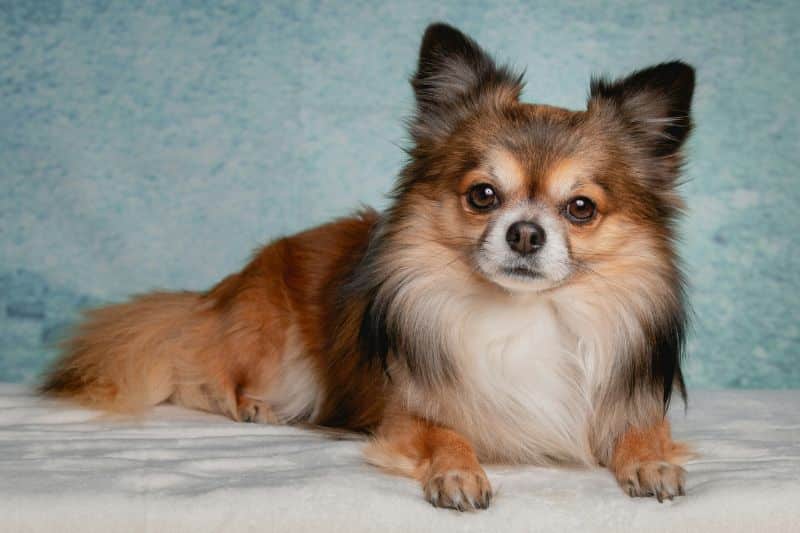
Small in size but enormous in personality, the Chihuahua dog breed is one of the most recognizable companion dogs in the United States. These tiny dogs can be affectionate, alert, intelligent, playful, and surprisingly confident. They can live comfortably in apartments and smaller homes, yet they still need training, socialization, exercise, and consistent attention.
A Chihuahua is not simply a “purse dog.” This breed can be energetic, vocal, curious, and determined. Without boundaries, a Chihuahua may quickly learn that barking, demanding attention, or refusing to cooperate gets results. With positive training and good socialization, however, Chihuahuas can become devoted and entertaining companions.
The breed comes in smooth and long coats, with many accepted colors and patterns. Its small size also means that owners need to take extra care around stairs, furniture, larger dogs, cold weather, and young children.
This guide explains what prospective owners should know before bringing a Chihuahua home, including temperament, training, grooming, health, nutrition, exercise, costs, and everyday care.
Quick Chihuahua Breed Overview
| Characteristic | Details |
|---|---|
| Origin | Mexico |
| Breed Group | Toy |
| Height | 5–8 inches |
| Weight | 6 lbs or less |
| Life Expectancy | About 14–16 years |
| Coat Types | Smooth or long |
| Energy Level | Moderate |
| Trainability | Moderate to high with positive training |
| Temperament | Alert, confident, loyal, lively |
| Grooming Needs | Low to moderate |
| Shedding | Low to moderate, depending on coat |
| Apartment Friendly | Yes |
| Yard Required | No |
| Family Friendly | Yes, with appropriate supervision |
| Good With Other Pets | Often, with early socialization |
| Cold Weather Tolerance | Low |
| Typical Lifespan | 14–16 years |
The American Kennel Club lists the Chihuahua at 5–8 inches tall, with a weight not exceeding 6 pounds and a typical life expectancy of 14–16 years.
Key Chihuahua Characteristics
Before choosing this breed, it helps to understand what daily life with a Chihuahua is really like.
Energy Level: Moderate
A Chihuahua does not need hours of running every day, but that does not mean it should spend the entire day on the couch.
Short walks, indoor play, training games, and interactive toys can provide plenty of activity for many Chihuahuas. Because of their small bodies, several short activity sessions can be more appropriate than one long, exhausting workout.
Mental stimulation is also important. Puzzle toys, obedience exercises, scent games, and trick training can help prevent boredom.
Trainability: Moderate to High
Chihuahuas are intelligent and can learn quickly. The challenge is often not their ability to understand commands but their willingness to follow them consistently.
Some Chihuahuas develop strong preferences and may test boundaries. Training should therefore begin early and remain consistent.
Use:
- Short training sessions
- Small rewards
- Positive reinforcement
- Clear household rules
- Frequent repetition
- Calm corrections
Avoid harsh punishment. It can create fear and may make a small dog less confident around people or other animals.
Friendliness: Selective
A well-socialized Chihuahua can be affectionate with family members and friendly toward visitors. However, many Chihuahuas are naturally cautious around unfamiliar people.
They may also become protective of their owner or home.
Early exposure to different people, sounds, environments, and friendly dogs can help reduce unnecessary fear and defensive behavior.
Shedding: Low to Moderate
Chihuahuas have two main coat varieties: smooth and long.
Smooth-coated Chihuahuas generally need minimal grooming. Long-haired Chihuahuas require more frequent brushing because their longer coat can develop tangles.
Neither coat type should be considered completely non-shedding.
Chihuahua Breed History
The Chihuahua has a long and fascinating connection with Mexico.
The breed takes its name from the Mexican state of Chihuahua, where early examples resembling modern Chihuahuas were identified. The breed is also associated with the ancient Techichi, a small companion dog kept by civilizations in pre-Columbian Mexico.
The exact development of the modern Chihuahua is not completely settled. Historical theories have proposed different influences and possible ancestral connections. However, the breed’s deep association with Mexico is well established.
The American Kennel Club describes the Chihuahua as one of the oldest breeds of the Americas and notes that the breed was officially recognized by the AKC in 1904.
Originally valued primarily as a companion, the Chihuahua developed many traits that still make it distinctive today. Despite its tiny body, it has an alert and confident personality.
That combination helps explain why the Chihuahua often behaves as though it is much larger than it really is.
The breed eventually became popular throughout the United States and is now one of the country’s best-known small companion dogs.
Chihuahua Temperament & Personality
The personality of a Chihuahua can be much bigger than its physical size.
A typical Chihuahua may be:
- Loyal
- Alert
- Affectionate
- Confident
- Curious
- Playful
- Vocal
- Protective
- Independent
However, individual personalities vary. Genetics, early socialization, training, environment, and previous experiences all influence behavior.
Are Chihuahuas Affectionate?
Yes. Many Chihuahuas form extremely strong bonds with their owners.
Your Chihuahua may follow you around the house, sit beside you while you work, or insist on sleeping close to you. Some are happiest when sitting on a lap.
This attachment is one reason the breed can be excellent for people who want a close companion.
However, excessive dependence can become a problem.
Owners should teach puppies that spending time alone is normal. Gradually increasing independent time can help reduce the risk of separation-related problems.
Are Chihuahuas Good With Children?
Chihuahuas can live successfully with families, but they require careful supervision around children.
Their tiny bodies make them physically vulnerable. A child who accidentally falls on a Chihuahua, grabs its tail, drops it, or plays too roughly could cause a serious injury.
For this reason, the breed may not be the best choice for homes with very young children who cannot reliably follow safe handling rules.
Older children who understand how to interact gently with dogs may have a better experience.
The AKC similarly notes that Chihuahuas are very small and are not recommended for roughhousing with children.
Teach children to:
- Let the dog approach them
- Avoid picking the dog up unnecessarily
- Never pull ears or tails
- Avoid disturbing the dog while eating
- Never chase the dog
- Respect the dog’s sleeping area
- Ask an adult before handling the dog
Children and dogs should always be supervised.
Chihuahua Behavior Around Other Dogs
A Chihuahua may get along very well with other dogs, particularly when socialized from puppyhood.
However, some Chihuahuas can become overly confident around much larger dogs. Their lack of awareness about their own size can put them in dangerous situations.
A Chihuahua should never be encouraged to confront larger dogs.
Supervise introductions and watch body language carefully.
Positive socialization should expose your Chihuahua to calm, friendly dogs of different sizes without forcing interaction.
A well-socialized Chihuahua can also enjoy living with another small companion.
If you are comparing small companion breeds, a Chihuahua can have a very different personality from breeds such as the Shih Tzu, Pomeranian, or Maltese. Looking at temperament, grooming requirements, exercise needs, and household lifestyle is more useful than choosing a breed based only on size.
Are Chihuahuas Aggressive?
Chihuahuas are sometimes labeled as aggressive because they can bark, growl, snap, or react strongly when frightened or uncomfortable.
But fear, lack of socialization, resource guarding, pain, poor handling, and inadequate training can all contribute to unwanted behavior.
A tiny dog should not be allowed to behave aggressively simply because its behavior is less physically intimidating than that of a large dog.
If a Chihuahua repeatedly growls, snaps, lunges, or bites, identify the trigger instead of dismissing the behavior as “small dog attitude.”
Possible triggers include:
- Strangers
- Other dogs
- Being picked up
- Protecting food
- Protecting toys
- Pain
- Fear
- Excessive handling
- Lack of socialization
A veterinarian should evaluate sudden or unusual behavior changes because pain or illness can sometimes affect behavior.
Why Chihuahuas Bark So Much
One of the most common Chihuahua complaints is excessive barking.
Chihuahuas are naturally alert. They may notice sounds, movement, strangers, other animals, or changes in their surroundings very quickly.
Barking can therefore serve several purposes:
- Alerting the household
- Expressing excitement
- Responding to unfamiliar people
- Seeking attention
- Showing fear
- Responding to another dog
- Defending territory
The goal should not always be to eliminate barking completely.
Instead, teach your Chihuahua when barking is appropriate and when it should stop.
A useful training pattern is:
Notice → acknowledge → redirect → reward quiet behavior.
For example, if your Chihuahua barks when someone approaches the front door, calmly acknowledge the alert and then redirect the dog to a bed or mat. Reward the dog when it becomes quiet.
Avoid screaming “quiet” repeatedly. Your dog may interpret your raised voice as joining the barking.
Chihuahua Intelligence and Personality
The Chihuahua is an intelligent breed that can learn commands, tricks, routines, and household rules surprisingly quickly.
Its intelligence can also create challenges.
If a Chihuahua discovers that barking produces attention, it may bark more. If jumping onto the sofa gets rewarded with cuddles, it may repeat the behavior.
Consistency matters.
Everyone in the household should follow the same rules.
For example, if the Chihuahua is not allowed to beg at the dinner table, nobody should occasionally reward begging with food.
Small dogs can learn large amounts of information. Do not underestimate their ability to understand routines and consequences.
Long-Haired vs. Smooth-Coated Chihuahua
Both coat types belong to the same breed, but their grooming requirements differ.
Smooth-Coated Chihuahua
The smooth coat is short and close to the body.
It usually requires:
- Occasional brushing
- Regular baths when needed
- Nail trimming
- Ear checks
- Dental care
A soft brush or grooming mitt can remove loose hair and help distribute natural oils.
Long-Haired Chihuahua
The long coat requires more attention.
Weekly brushing is a good starting point for many long-haired Chihuahuas. Some may require more frequent brushing depending on coat texture and length.
Pay particular attention to:
- Behind the ears
- Around the neck
- Legs
- Tail
- Chest
- Underarms
Tangles can become uncomfortable if ignored.
The AKC recommends occasional brushing for smooth-coated Chihuahuas and at least weekly brushing for long-haired Chihuahuas to help prevent tangles and mats.
For owners building a complete home grooming routine, the Best Dog Brushes guide can help match brushing tools to different coat types.
Chihuahua Grooming Basics
Although Chihuahuas are small, they still require routine maintenance.
A basic grooming routine should include:
- Brushing
- Bathing
- Nail trimming
- Ear checks
- Dental care
- Skin checks
- Paw checks
Long-haired Chihuahuas may need more frequent brushing than smooth-coated dogs.
Nails should also be checked regularly. Overgrown nails can affect walking comfort and posture.
For owners who prefer to handle routine grooming at home, a Best Dog Grooming Kits guide can help organize the basic tools needed for brushing, nail care, and coat maintenance.
Bathing should not be based solely on the calendar. A healthy Chihuahua may need a bath when the coat becomes dirty, oily, smelly, or contaminated after outdoor activity.
For detailed bathing techniques, preparation, drying, and shampoo selection, see the Dog Bathing Guide.
A dog-specific shampoo is important. If your Chihuahua has dry, itchy, or sensitive skin, the Best Dog Shampoo guide can help you compare formulas designed for different skin and coat needs.
Chihuahua Grooming and Skin Care
Because the Chihuahua is a small companion dog that may spend considerable time indoors, owners can easily overlook regular skin checks.
During grooming, look for:
- Redness
- Dry or flaky skin
- Small bumps
- Hair loss
- Parasites
- Scabs
- Persistent itching
- Unusual odor
Occasional scratching is normal. Persistent itching is not something to ignore.
If your Chihuahua develops recurring itching, redness, sores, hair loss, or other skin changes, speak with a veterinarian rather than trying to solve the problem only with grooming products.
For broader information about maintaining a healthy canine skin barrier and recognizing potential problems, your grooming routine can also be supported by our Dog Skin Care Guide and Dog Allergy Guide.
Exercise Needs of a Chihuahua
A Chihuahua does not require the same exercise routine as a Labrador Retriever or German Shepherd, but daily activity is still important.
Most healthy adult Chihuahuas can benefit from:
- Short daily walks
- Indoor play
- Training sessions
- Interactive toys
- Gentle games
- Supervised exploration
Avoid assuming that a Chihuahua needs no exercise because it is small.
Insufficient activity can contribute to boredom, excess weight, restlessness, and unwanted behavior.
At the same time, avoid pushing a tiny dog beyond its physical limits.
Watch for signs of fatigue, especially during hot weather.
Because Chihuahuas are small, their short legs cover much less distance than those of larger breeds. A brief walk for a large dog may represent significantly more effort for a Chihuahua.
Mental exercise matters too.
Teaching your Chihuahua a new trick for five minutes can be surprisingly effective. Try commands such as:
- Sit
- Stay
- Down
- Come
- Leave it
- Touch
- Place
- Wait
Short sessions are usually better than long, repetitive training.
Chihuahua Living Environment
One reason this breed is popular with urban owners is its ability to adapt to smaller living spaces.
A Chihuahua can be comfortable in:
- Apartments
- Condos
- Small houses
- Larger homes
- Urban environments
- Suburban homes
A large backyard is not required.
However, a secure environment is essential.
A Chihuahua can fit through surprisingly small openings, and its small size makes it vulnerable to predators, traffic, and larger animals.
Never assume a Chihuahua is safe simply because a yard is fenced. Check gaps under fences and around gates.
Indoor safety also matters.
Use care around:
- Staircases
- Reclining furniture
- High beds
- Balconies
- Open windows
- Large dogs
- Small household objects
Because Chihuahuas are so small, accidental falls can cause significant injuries.
Cold Weather and Chihuahua Safety
Chihuahuas are particularly vulnerable to cold temperatures.
Their small bodies lose heat quickly, especially when they have a short coat.
During cold weather:
- Limit prolonged outdoor exposure
- Consider a properly fitted dog sweater
- Keep walks shorter when necessary
- Dry the dog after rain
- Provide a warm sleeping area
- Watch for shivering
A Chihuahua should never be left outside in freezing weather.
Long-haired Chihuahuas may tolerate cool temperatures somewhat better than smooth-coated individuals, but neither should be treated like a cold-weather breed such as a Siberian Husky.
The AKC specifically notes that Chihuahuas require special care in cold weather.
Training & Socialization
Training is one of the most important parts of responsible Chihuahua ownership. Because this breed is intelligent, alert, and often independent, early training can prevent small behavioral problems from becoming long-term habits.
A Chihuahua puppy does not need complicated obedience drills. What matters most is consistency.
Start with simple commands such as:
- Sit
- Stay
- Come
- Leave it
- Drop it
- Wait
- Place
- Touch
Keep sessions short, especially with puppies. Several five-minute sessions throughout the day can be more productive than one long session.
Use Positive Reinforcement
Reward desirable behavior with small treats, praise, toys, or attention.
For example, when your Chihuahua sits instead of jumping on you, reward the sitting behavior. Eventually, the dog learns that calm behavior produces something valuable.
Avoid physical punishment or intimidation. A Chihuahua is physically fragile, and harsh handling can create fear or defensive behavior.
Positive reinforcement also makes training more enjoyable and can strengthen the relationship between the dog and owner.
House Training a Chihuahua
House training can sometimes take longer than new owners expect.
The Chihuahua’s small body means it has a small bladder, particularly during puppyhood. Cold or rainy weather can also make some Chihuahuas reluctant to go outside.
Create a predictable routine.
Take your puppy out:
- Immediately after waking
- After eating
- After drinking
- After playing
- After naps
- Before bedtime
- At regular intervals during the day
When your Chihuahua eliminates in the correct location, reward immediately.
Do not punish accidents after they happen. The puppy is unlikely to understand why you are upset several minutes later.
Clean indoor accidents thoroughly so lingering odors do not encourage the puppy to return to the same spot.
Socializing a Chihuahua Puppy
Socialization is more than introducing a puppy to other dogs.
A Chihuahua should gradually experience:
- Different people
- Friendly dogs
- Household noises
- Car rides
- Veterinary handling
- Grooming
- Different surfaces
- Outdoor environments
- Household visitors
- Collar and leash handling
The goal is to create positive associations.
Do not force a frightened puppy into an interaction. Instead, increase exposure gradually while keeping the experience calm and rewarding.
This is particularly important for Chihuahuas because fear can sometimes develop into barking, hiding, snapping, or defensive behavior.
Is a Chihuahua Right for You?
A Chihuahua can be an excellent companion, but its small size should not be mistaken for low responsibility.
Before getting one, consider the following.
A Chihuahua May Be a Good Match If:
- You live in an apartment or smaller home.
- You want a highly devoted companion.
- You have time for daily interaction.
- You are willing to train consistently.
- You can provide safe indoor exercise.
- You enjoy having a dog that stays close to you.
- You can supervise interactions with larger dogs.
- You are prepared for regular dental and grooming care.
- You can protect the dog from extreme temperatures.
A Chihuahua May Not Be Ideal If:
- You want a dog for rough outdoor activities.
- You expect a completely quiet dog.
- You have very young children who cannot handle a fragile dog safely.
- You frequently leave home for long periods.
- You want a dog that can comfortably tolerate freezing temperatures.
- You do not want to spend time on training and socialization.
A Chihuahua can fit into many lifestyles, but the owner must adapt the environment to the dog’s tiny size.
Chihuahua Care & Maintenance
Daily Chihuahua care is relatively manageable, but several areas deserve special attention.
Daily Care
A simple daily routine can include:
Morning: bathroom break, breakfast, short walk, and basic training.
Afternoon: playtime, mental stimulation, and another bathroom break.
Evening: walk or indoor activity, dinner, grooming check, and quiet family time.
The exact schedule should depend on the dog’s age, health, activity level, and veterinarian’s recommendations.
Exercise and Weight Management
Because Chihuahuas are so small, even modest weight gain can make a meaningful difference to their body condition.
Do not judge your Chihuahua’s weight simply by looking at the number on a scale.
Your veterinarian can evaluate body condition and determine whether your dog is at an appropriate weight.
Avoid turning treats into a major source of daily calories. A tiny treat that seems insignificant can represent a substantial portion of a Chihuahua’s daily energy intake.
If you use treats for training, break them into very small pieces.
The same principle applies to human food.
Many owners accidentally overfeed small dogs because the portions look tiny. A few table scraps can add up quickly for a dog weighing only a few pounds.
Dental Care for Chihuahuas
Dental hygiene deserves particular attention in small dogs.
A Chihuahua’s mouth is tiny, which can make daily dental care challenging. Regular brushing can help reduce plaque accumulation, while veterinary dental examinations can identify problems that owners may not notice at home.
Introduce tooth brushing gradually.
Start by allowing your dog to smell and lick the pet toothpaste. Once comfortable, gently touch the teeth and gums with a finger or appropriate brush.
Then gradually progress toward brushing.
Never use human toothpaste unless a veterinarian specifically recommends a product for your dog.
Watch for:
- Bad breath
- Red gums
- Bleeding
- Difficulty chewing
- Loose teeth
- Excessive drooling
- Dropping food
These signs warrant veterinary attention.
Dental care should become part of your normal Dog Grooming Guide routine rather than something you only consider when there is an obvious problem.
Nail and Paw Care
Chihuahua nails can become uncomfortable if they grow too long.
Check the nails regularly and trim them as needed.
If you are uncomfortable trimming them yourself, a professional groomer or veterinary team can help.
A quality pair of Best Dog Nail Clippers can make routine nail maintenance easier for owners who prefer home grooming.
Take extra care with dark nails because the quick may be difficult to see.
If you accidentally cut into the quick, the nail can bleed and cause discomfort. Owners who are inexperienced should consider having a professional demonstrate the correct technique.
Also inspect the paws after walks.
Look for:
- Cuts
- Cracked pads
- Debris
- Irritation
- Excessive licking
Small dogs can pick up dirt, grass seeds, and other debris that may be easy to overlook.
Drying Your Chihuahua After a Bath
A Chihuahua can become chilled quickly after bathing.
After a bath, gently towel dry the coat rather than vigorously rubbing it.
For long-haired Chihuahuas, careful drying is particularly useful because moisture can remain hidden beneath the longer coat.
If you use a pet dryer, introduce it gradually and keep the airflow comfortable. Never use extremely hot air.
For owners comparing equipment for home grooming, the Best Dog Hair Dryers guide can help identify the features that matter when choosing a dryer.
A quiet, adjustable dryer may be especially useful for dogs that are nervous about grooming noises.
Common Chihuahua Health Problems
Chihuahuas can live long lives, but no breed is free from health concerns.
The breed can be affected by several conditions, including:
- Patellar luxation
- Heart disease
- Eye problems
- Idiopathic epilepsy
- Dental problems
- Obesity
- Certain orthopedic injuries
The American Kennel Club identifies patellar evaluation, cardiac examination, and ophthalmologist evaluation among recommended health tests for the breed.
This does not mean every Chihuahua will develop these conditions.
Instead, prospective owners should understand that responsible ownership includes preventative veterinary care.
Patellar Luxation
Patellar luxation occurs when the kneecap moves out of its normal position.
Small breeds can be predisposed to this condition.
Signs may include:
- Intermittent skipping
- Sudden limping
- Holding up one rear leg
- Difficulty jumping
- Reluctance to exercise
If you notice unusual movement, schedule a veterinary examination.
Heart Problems
Some Chihuahuas can develop heart conditions.
The AKC specifically lists patent ductus arteriosus and mitral valve disease among heart problems that can affect the breed.
Regular veterinary examinations can help detect abnormal heart sounds or other warning signs.
Never assume that a cough, reduced stamina, or breathing change is simply a normal part of getting older.
Eye Problems
Eye disease can also occur in Chihuahuas.
Because their eyes are relatively prominent, owners should pay attention to changes such as:
- Redness
- Cloudiness
- Excessive tearing
- Squinting
- Rubbing the eyes
- Discharge
Any sudden eye problem deserves prompt veterinary attention.
Epilepsy and Seizures
Idiopathic epilepsy is another condition reported in the breed.
If your Chihuahua experiences a seizure, remain calm and protect the dog from nearby hazards.
Do not place your hands inside the dog’s mouth.
A veterinarian should evaluate any unexplained seizure activity.
Preventive Health Care
The best approach to Chihuahua health is prevention rather than waiting for obvious symptoms.
A preventive routine may include:
- Annual veterinary examinations
- Vaccinations as recommended
- Parasite prevention
- Dental examinations
- Weight monitoring
- Regular nail care
- Eye checks
- Heart evaluation
- Appropriate exercise
- Healthy nutrition
Senior Chihuahuas may require more frequent veterinary monitoring.
Your veterinarian can adjust the preventive schedule according to your dog’s age, medical history, lifestyle, and risk factors.
Chihuahua Diet & Nutrition
Nutrition is one of the easiest areas for owners to get wrong with a very small dog.
The Chihuahua needs a nutritionally complete diet, but its small size means portion control matters.
Choose a dog food appropriate for the dog’s:
- Species
- Life stage
- Size
- Activity level
- Health condition
When shopping for commercial dog food in the United States, look for the nutritional adequacy statement on the label.
AAFCO explains that “complete” means the food contains all required nutrients, while “balanced” means those nutrients are present in appropriate ratios. The statement should also identify the applicable life stage.
Importantly, AAFCO does not approve, certify, or endorse individual pet food brands. It establishes nutritional standards, while regulatory authorities and manufacturers have responsibilities for compliance.
For owners comparing commercial options, our Best Dog Foods guide can help you evaluate choices based on life stage, nutrition, ingredients, and feeding needs.
Feeding a Chihuahua Puppy
Puppies have different nutritional requirements from adult dogs.
A growing Chihuahua puppy needs food formulated for growth or an appropriate all-life-stages diet.
Young puppies may also need multiple meals throughout the day.
Instead of leaving food available continuously, establish a feeding routine and monitor body condition.
Your veterinarian can help determine:
- Appropriate food
- Meal frequency
- Portion size
- Healthy growth rate
- When to transition to adult food
Avoid making major diet changes suddenly.
If you need to switch foods, gradually introduce the new food over several days unless your veterinarian recommends another approach.
How Much Should a Chihuahua Eat?
There is no single portion size that works for every Chihuahua.
Food requirements depend on:
- Age
- Weight
- Activity level
- Metabolism
- Health
- Food calorie density
Start with the feeding guidance on the food label and then adjust based on your dog’s body condition and veterinary advice.
AAFCO notes that feeding directions are guidelines and may need to be adjusted according to an individual pet’s needs and condition.
Because Chihuahuas are so small, measuring food accurately can be useful.
Instead of casually filling a bowl several times per day, measure the daily amount.
Then divide that amount among the dog’s meals.
Treats and Table Scraps
Treats can be useful during Chihuahua training, but they should remain a small part of the overall diet.
AAFCO notes that treats are generally not intended to provide complete and balanced nutrition and should be given as occasional rewards rather than replacing the main diet.
For a tiny dog, even small pieces of human food can contribute significant calories.
Avoid feeding foods that are toxic to dogs, including certain human foods that can cause serious health problems.
If your Chihuahua has a medical condition, food sensitivity, or prescription diet, ask your veterinarian before introducing new treats.
Should You Give a Chihuahua Supplements?
Not necessarily.
A healthy Chihuahua eating a complete and balanced diet generally does not need random vitamin or mineral supplements.
AAFCO specifically cautions that supplementation can potentially push some nutrients above safe levels.
Supplements should therefore be used for a specific reason and ideally under veterinary guidance.
Do not assume that a product marketed as “natural” is automatically necessary or safe.
Chihuahua Feeding Schedule
A basic schedule may look like this:
| Age | General Feeding Approach |
|---|---|
| Young puppy | Several small meals throughout the day |
| Older puppy | Multiple measured meals |
| Adult | Usually two measured meals |
| Senior | Based on health, activity, weight, and veterinary advice |
These are general guidelines rather than strict rules.
A Chihuahua that is underweight, overweight, pregnant, nursing, unusually active, or dealing with a medical condition may need a different feeding plan.
Chihuahua Water Requirements
Fresh water should be available throughout the day.
Do not restrict water simply because you are trying to reduce accidents during house training.
Instead, improve the bathroom routine.
Monitor unusual changes in drinking behavior.
A sudden increase or decrease in water consumption can sometimes indicate an underlying medical issue and should be discussed with a veterinarian.
Choosing a Veterinarian for Your Chihuahua
Because Chihuahuas can live well into their teens, choosing a veterinary practice is an important long-term decision.
Look for a veterinary team that is comfortable working with toy breeds and understands the specific handling considerations associated with very small dogs.
During routine visits, discuss:
- Vaccinations
- Parasite prevention
- Dental care
- Weight
- Nutrition
- Exercise
- Behavior
- Reproductive health
- Senior care
Bring a record of your dog’s diet and any medications or supplements.
A good relationship with your veterinary team can make it easier to detect small changes before they become major problems.
Chihuahua Care Checklist
For a simple routine, Chihuahua owners should remember:
- Feed a complete and balanced diet.
- Measure portions carefully.
- Provide fresh water.
- Give daily age-appropriate exercise.
- Use positive reinforcement training.
- Socialize gradually.
- Brush the coat according to its type.
- Trim nails regularly.
- Brush teeth frequently.
- Check ears, eyes, skin, and paws.
- Protect the dog from extreme cold.
- Supervise interactions with larger dogs.
- Schedule regular veterinary examinations.
- Monitor weight throughout life.
A Chihuahua may be tiny, but good care requires the same commitment expected with any other dog breed.
Chihuahua Price & Cost in the US
The cost of bringing a Chihuahua home can vary significantly depending on whether you adopt or purchase from a breeder.
The initial price is only one part of the financial commitment. Veterinary care, food, grooming, supplies, training, and unexpected medical expenses should also be included in your budget.
Chihuahua Puppy Price From a Breeder
A Chihuahua puppy from a responsible breeder may cost roughly $800–$3,000 or more in the United States.
Prices can vary based on:
- Breeder reputation
- Location
- Pedigree
- Health testing
- Bloodline
- Age
- Coat characteristics
- Registration
- Show potential
- Demand
Be cautious about choosing a puppy based solely on the lowest advertised price.
A very cheap puppy may come with poorly documented health history, inadequate socialization, or questionable breeding practices.
A responsible breeder should be willing to discuss the parents’ health, provide appropriate veterinary records, explain their socialization practices, and answer questions about the puppy’s development.
Never assume that a high price automatically means high-quality breeding.
Chihuahua Adoption Cost
Adoption can be a more affordable way to bring a Chihuahua into your family.
Shelters and rescue organizations may charge an adoption fee that helps cover expenses such as:
- Veterinary examinations
- Vaccinations
- Spaying or neutering
- Microchipping
- Parasite treatment
- Food and shelter
Adult Chihuahuas can also be an excellent choice for people who want a clearer idea of the dog’s personality before adoption.
Some rescue dogs may already be house trained or understand basic commands.
When adopting, ask about the dog’s behavior around:
- Children
- Dogs
- Cats
- Strangers
- Food
- Handling
- Being left alone
The more information you have, the easier it will be to determine whether the dog fits your household.
Ongoing Chihuahua Costs
Your monthly costs can include:
| Expense | Typical Consideration |
|---|---|
| Food | Small quantity, but quality matters |
| Treats | Small training rewards |
| Preventive care | Flea, tick, and parasite prevention |
| Veterinary care | Routine and unexpected expenses |
| Grooming | DIY or professional |
| Dental care | Toothbrushes, dental products, veterinary cleaning |
| Toys | Replacement as needed |
| Training | Classes or private sessions |
| Pet insurance | Optional monthly premium |
Because Chihuahuas eat relatively small portions, food costs may be lower than for a large breed.
However, veterinary costs are not automatically lower just because the dog is small.
A serious medical problem can be expensive regardless of breed size.
Pet Insurance for a Chihuahua
Pet insurance is worth considering if you want financial protection against unexpected veterinary expenses.
Policies differ considerably.
Before choosing coverage, examine:
- Deductible
- Reimbursement percentage
- Annual limits
- Lifetime limits
- Waiting periods
- Exclusions
- Pre-existing condition rules
- Prescription coverage
- Dental coverage
Do not purchase a policy simply because the monthly premium is cheap.
Read the exclusions carefully and understand what the policy actually covers.
Chihuahua Pros and Cons
Pros
Small and Easy to Handle
A Chihuahua is easy to carry and can adapt well to smaller homes.
Apartment Friendly
The breed can thrive in apartments when provided with appropriate exercise, training, and mental stimulation.
Strongly Bonded to Owners
Many Chihuahuas become deeply attached to their families and enjoy spending time with their people.
Long Lifespan
With appropriate care, Chihuahuas can enjoy a relatively long life compared with many dog breeds.
Relatively Low Grooming Requirements
Smooth-coated Chihuahuas require relatively little coat maintenance. Long-haired individuals need more brushing but still have manageable grooming needs.
Entertaining Personality
Their confidence, alertness, curiosity, and playful behavior can make them incredibly entertaining companions.
Cons
Can Be Vocal
Some Chihuahuas bark frequently, especially when they are poorly socialized or easily stimulated.
Physically Fragile
Their tiny bodies require careful handling.
Can Be Difficult to House Train
Some individuals take longer to become completely reliable indoors.
Sensitive to Cold
Chihuahuas can become uncomfortable quickly in cold weather.
May Develop Small-Dog Behavior Problems
Owners sometimes overlook barking, snapping, guarding, or demanding behavior because the dog is tiny.
That can make the behavior worse over time.
Dental Care Requires Attention
Small mouths can make dental hygiene especially important.
Not Always Suitable for Rough Play
The breed is not a good choice for households where children or other animals may play too roughly.
Common Chihuahua Owner Mistakes
Even experienced dog owners can make mistakes with a very small breed.
1. Treating the Chihuahua Like a Toy
A Chihuahua is a dog, not a stuffed animal.
It needs training, exercise, boundaries, socialization, and veterinary care.
Constantly carrying the dog can also prevent it from learning how to confidently navigate normal environments.
2. Ignoring Bad Behavior Because the Dog Is Small
A Chihuahua jumping, barking, growling, or snapping may seem less serious than the same behavior from a large dog.
But the behavior can become harder to manage over time.
Address unwanted behavior early.
3. Skipping Socialization
Keeping a Chihuahua isolated may actually increase fear and reactivity.
Safe, gradual exposure to people, dogs, environments, sounds, and handling can build confidence.
4. Overfeeding
A few extra treats can have a significant effect on a tiny dog’s calorie intake.
Measure food and monitor body condition.
5. Carrying the Dog Everywhere
Carrying your Chihuahua is sometimes necessary for safety.
However, constantly carrying the dog can reduce opportunities to walk, explore, and develop confidence.
Whenever the environment is safe, allow your dog to walk and investigate under supervision.
6. Allowing Jumping From High Furniture
A Chihuahua can be injured by falls from beds, sofas, or other elevated surfaces.
Use ramps, steps, or other safety measures where appropriate.
Teach your dog to wait before jumping down.
7. Neglecting Dental Care
Bad breath should not automatically be dismissed as normal dog breath.
Regular dental care and veterinary examinations are important throughout the Chihuahua’s life.
8. Choosing Food Based Only on Marketing
A colorful package or impressive ingredient list does not tell you everything about nutritional adequacy.
Look at the nutritional adequacy statement and choose food appropriate for the dog’s life stage and individual needs.
Best For: Who Should Own a Chihuahua?
The Chihuahua can be a great match for several types of owners.
Apartment Residents
The breed’s small size makes it particularly adaptable to apartment living.
However, apartment owners should pay attention to barking because neighbors may not appreciate a dog that reacts to every hallway noise.
Training should therefore begin early.
Singles and Couples
A Chihuahua can work well for adults who want a close companion and can provide plenty of interaction.
The breed often enjoys being involved in everyday household activities.
Seniors
Some healthy Chihuahuas can be excellent companions for older adults because they do not require the same physical exercise as large working breeds.
However, the dog should still receive regular walks, mental stimulation, veterinary care, and social interaction.
Families With Older Children
Families with older, responsible children may enjoy living with a Chihuahua.
Children must understand that the dog is fragile and should never be treated like a toy.
Experienced Dog Owners
Experienced owners may appreciate the breed’s intelligence and personality.
However, first-time owners can also succeed with a Chihuahua if they are willing to learn about positive training, socialization, nutrition, and small-dog safety.
Chihuahua FAQ
1. Are Chihuahuas good family dogs?
Yes, Chihuahuas can be good family dogs when children understand how to interact safely with such a small breed. They generally do best with respectful handling and supervision.
2. How long do Chihuahuas live?
The typical Chihuahua lifespan is around 14–16 years, although individual dogs can live shorter or longer lives depending on genetics, health, nutrition, and overall care.
3. How much does a Chihuahua cost in the US?
A Chihuahua puppy from a breeder may cost approximately $800–$3,000 or more, while adoption fees are often lower. Prices vary significantly by breeder, location, pedigree, health testing, and other factors.
4. Are Chihuahuas easy to train?
Chihuahuas are intelligent and can learn quickly, but some can be independent or stubborn. Short, positive, consistent training sessions usually work better than harsh corrections.
5. Do Chihuahuas bark a lot?
Some do. Chihuahuas are alert dogs and may bark at people, animals, sounds, or unfamiliar situations. Early socialization and reward-based training can help manage excessive barking.
6. Are Chihuahuas good apartment dogs?
Yes. Their small size and moderate exercise requirements make them well suited to apartment living. Owners should focus on daily activity, mental stimulation, house training, and barking management.
7. Are Chihuahuas good with other dogs?
They can be. Early socialization and carefully managed introductions are important. Because Chihuahuas are so small, interactions with significantly larger dogs should always be supervised.
8. Do Chihuahuas need a lot of grooming?
Usually not. Smooth-coated Chihuahuas need relatively little coat maintenance, while long-haired Chihuahuas need more frequent brushing to prevent tangles.
Regular nail, dental, ear, and skin care is also important regardless of coat type.
9. What should a Chihuahua eat?
A Chihuahua should receive a complete and balanced diet appropriate for its life stage and individual needs. Portion size should be carefully measured because excess calories can quickly contribute to weight gain in such a small dog.
10. Are Chihuahuas good for first-time dog owners?
They can be, but their small size does not make them automatically easy. First-time owners should be prepared for house training, barking management, socialization, dental care, and careful handling.
Related Breeds to Consider
If you are researching the Chihuahua because you want a small companion dog, compare several breeds before making a decision.
The Shih Tzu may appeal to owners who want a small, affectionate companion with a different coat and grooming profile.
The French Bulldog offers a very different body type and temperament while still being popular with people looking for a compact companion.
The Pomeranian is another small breed with a lively personality and a more substantial fluffy coat.
If you prefer a larger family dog, breeds such as the Labrador Retriever, Golden Retriever, and German Shepherd offer very different exercise, training, space, and care requirements.
Comparing breeds based on lifestyle is more useful than simply asking which breed is “best.”
Building a Complete Chihuahua Care Routine
A Chihuahua’s small size can make some owners underestimate its needs.
A good care routine should cover five major areas:
1. Nutrition
Feed an appropriate complete and balanced diet, measure portions, and monitor body condition.
2. Exercise
Provide daily age-appropriate physical activity and mental stimulation.
3. Grooming
Brush the coat according to its type, maintain the nails, check the ears and skin, and establish a dental-care routine.
4. Training
Use positive reinforcement and consistent household rules.
5. Veterinary Care
Keep up with preventive examinations and discuss any unusual changes in appetite, weight, behavior, movement, breathing, skin, eyes, or digestion.
These areas work together.
For example, good nutrition supports healthy body condition, appropriate exercise helps maintain fitness, grooming helps owners notice skin changes, and training can make veterinary handling easier.
Preparing Your Home for a Chihuahua
Before bringing a Chihuahua home, make the environment safe.
Remove or secure:
- Electrical cords
- Small objects
- Toxic plants
- Accessible chemicals
- Open balconies
- Unsafe stair access
- Gaps beneath fences
- Unstable furniture
Create a dedicated area where the dog can sleep without being disturbed.
A comfortable bed, food and water bowls, appropriate toys, grooming supplies, and a secure collar or harness are useful starting points.
If you already have another dog, introduce them gradually.
Do not assume that because your existing dog is friendly, it will automatically understand how to interact with a Chihuahua.
A Simple First-Year Chihuahua Care Plan
First Weeks
Focus on:
- Veterinary examination
- Establishing feeding times
- House training
- Name recognition
- Gentle handling
- Safe socialization
- Sleep routine
First Few Months
Add:
- Basic obedience
- Leash training
- Grooming practice
- Dental-care training
- Controlled dog introductions
- Recall practice
- Alone-time training
Throughout the First Year
Continue reinforcing:
- Good manners
- Quiet behavior
- Appropriate bathroom habits
- Calm greetings
- Safe interactions
- Regular exercise
- Veterinary preventive care
Consistency during the first year can make everyday life much easier later.
When to Contact a Veterinarian
Do not wait for a routine appointment if your Chihuahua develops concerning symptoms.
Contact your veterinarian if you notice:
- Difficulty breathing
- Repeated vomiting
- Severe diarrhea
- Collapse
- Seizures
- Sudden weakness
- Persistent limping
- Severe pain
- Sudden vision changes
- Significant appetite changes
- Unusual thirst or urination
- Major behavioral changes
Emergency symptoms require prompt veterinary attention.
When in doubt, it is safer to ask a veterinary professional rather than assuming that a symptom is caused by normal aging or the dog’s small size.
Your Chihuahua Care Roadmap
A healthy Chihuahua lifestyle does not require an enormous house or hours of daily exercise.
It requires consistency.
Provide a nutritious diet, measured portions, daily activity, positive training, regular grooming, dental care, safe socialization, and preventive veterinary care.
Pay particular attention to the issues that are easy to overlook in a tiny dog: excessive weight gain, dental health, cold exposure, falls, interactions with larger animals, and unwanted barking or defensive behavior.
Most importantly, remember that every Chihuahua is an individual.
Some are outgoing and adventurous. Others are cautious and strongly attached to one person. Some love every visitor, while others need time to warm up.
Learning your dog’s personality and responding with patient, consistent training is one of the most rewarding parts of Chihuahua ownership.
Helpful Chihuahua Care Resources
For owners building a complete routine, these SmartPetCareGuide resources can help:
- Best Dog Foods — choosing appropriate nutrition and comparing food options.
- Dog Grooming Guide — establishing a complete grooming routine.
- Best Dog Brushes — choosing brushes for smooth and long coats.
- Best Dog Shampoo — comparing shampoos for different coat and skin needs.
- Dog Bathing Guide — preparing for and safely completing bath time.
- Best Dog Hair Dryers — selecting suitable drying equipment.
- Best Dog Nail Clippers — maintaining nails safely at home.
- Best Dog Grooming Kits — organizing essential grooming tools.
- Dog Skin Care Guide — understanding everyday skin and coat care.
- Dog Allergy Guide — learning about common allergy-related symptoms and management.
A Small Dog With a Huge Personality
The Chihuahua proves that a dog does not need to be large to have a major presence in a household.
This tiny Mexican breed can be affectionate, intelligent, entertaining, loyal, and remarkably confident. At the same time, its small body means owners need to take safety, nutrition, dental care, socialization, and handling seriously.
For the right household, a Chihuahua can become much more than a small pet. It can be a loyal companion that remains closely involved in family life for many years.
Before bringing one home, focus less on its size and more on whether its personality, care requirements, and energy level match your lifestyle.
That is the key to making Chihuahua ownership a rewarding long-term experience.