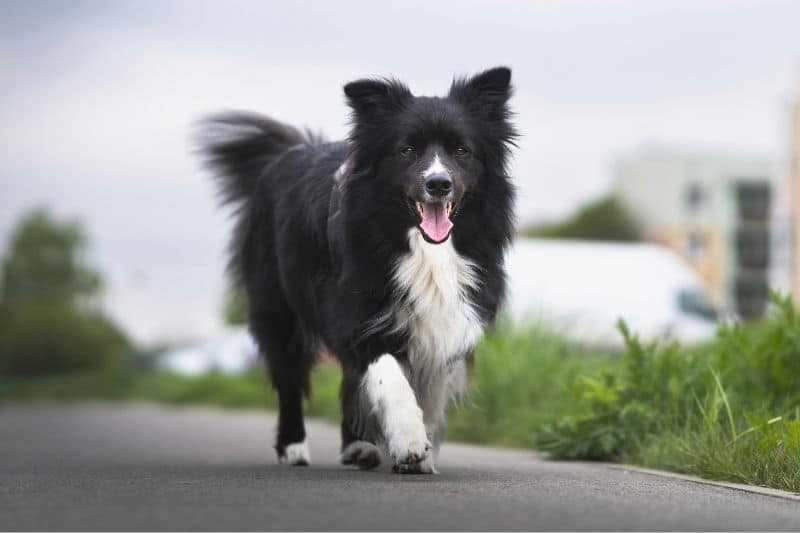
The Border Collie is one of the most intelligent, athletic, and highly trainable dog breeds in the world. Originally developed to work sheep along the border between Scotland and England, this medium-sized herding dog was bred for focus, stamina, responsiveness, and problem-solving ability.
Today, Border Collies are popular with active US families, competitors in dog sports, hikers, runners, farmers, and experienced dog owners. They can be affectionate and devoted family companions, but they are not a low-maintenance breed. A Border Collie needs daily physical exercise, mental stimulation, training, and meaningful interaction.
If you are considering bringing one home, understanding its energy level is just as important as admiring its intelligence and beautiful coat.
The American Kennel Club describes the breed as exceptionally energetic and highly work-oriented, while also noting that Border Collies can be loving companions when their substantial activity and mental-stimulation needs are met.
Quick Border Collie Overview
| Characteristic | Details |
|---|---|
| Breed Name | Border Collie |
| Origin | Scotland–England border region |
| Breed Group | Herding Group |
| Adult Height | About 18–22 inches |
| Adult Weight | About 30–55 lbs |
| Average Lifespan | Around 12–15 years |
| Temperament | Intelligent, energetic, loyal, responsive |
| Coat Type | Double coat; rough or smooth |
| Grooming Needs | Moderate |
| Shedding | Moderate to heavy, especially seasonally |
| Energy Level | Very high |
| Trainability | Exceptional |
| Family Friendly | Yes, with appropriate training and supervision |
| Apartment Friendly | Usually challenging |
| Best For | Active and experienced owners |
| Exercise Needs | High |
| Mental Stimulation | Very high |
The AKC lists Border Collies at approximately 18–22 inches tall and 30–55 pounds, with rough and smooth double-coat varieties. The American Kennel Club’s Border Collie breed profile provides additional information about the breed’s characteristics, exercise requirements, temperament, and suitability for different households.
Border Collie Key Characteristics
Energy Level: Very High
The Border Collie was developed to work for long periods while controlling livestock. That working heritage is still obvious today.
A short walk around the block is rarely enough for this breed. Most healthy adult Border Collies need a combination of physical exercise and mental work.
Activities can include:
- Long walks
- Hiking
- Running
- Fetch
- Agility
- Obedience training
- Herding activities
- Scent games
- Puzzle toys
- Trick training
A tired Border Collie is usually much easier to live with than a bored one.
Trainability: Exceptional
Few breeds are as eager and capable of learning as the Border Collie.
They can quickly learn basic obedience, advanced commands, tricks, agility sequences, scent games, and household routines. However, their intelligence also means they can learn unwanted behaviors quickly.
Consistent training is therefore essential.
Friendliness: Moderate to High
Border Collies can form extremely strong bonds with their families. Many are affectionate and enjoy staying close to their owners.
They may be reserved around unfamiliar people, particularly if they were not well socialized as puppies.
Shedding: Moderate to Heavy
Border Collies have double coats designed to protect them from changing weather conditions.
Their coat generally requires regular brushing, with more frequent grooming during heavier shedding periods.
Border Collie History
The Border Collie developed in the border country between Scotland and England, where shepherds needed dogs capable of controlling sheep over difficult terrain.
The breed’s working heritage is closely connected to sheep farming in the border region, and its development was strongly influenced by the practical demands of herding. The AKC’s history of the Border Collie provides a deeper look at how these working dogs evolved and eventually spread around the world.
Instead of selecting dogs primarily for appearance, early breeders placed enormous value on working ability. Dogs needed stamina, intelligence, responsiveness, and the ability to control livestock while following human direction.
One of the breed’s most recognizable working behaviors is its intense gaze, commonly called “the eye.” The dog uses focused attention and controlled movement to influence livestock.
Formal sheepdog trials helped establish and demonstrate the breed’s working abilities. The first formal sheepdog trial took place in Wales in 1873, and the breed later spread beyond Britain to farms and ranches around the world, including the United States.
The AKC officially recognized the Border Collie in 1995.
Unlike breeds that were developed mainly for companionship or appearance, the Border Collie’s history explains nearly everything about its modern personality: it wants to work, learn, move, and interact with its owner.
Border Collie Temperament & Personality
The Border Collie is intelligent, alert, responsive, and highly focused.
This combination makes the breed incredibly rewarding for the right owner. It can also create challenges for households that want a relaxed dog.
A Border Collie often watches its environment closely. It may notice small movements, sounds, routines, and changes that other dogs ignore.
With Family
Border Collies can be affectionate and loyal family dogs.
They often develop a strong relationship with their primary caregivers and enjoy participating in household activities.
However, they may not be content simply lying around the house all day.
Your Border Collie may want to know:
- What are we doing?
- Where are we going?
- What should I learn?
- When can we play?
- What’s my job?
Giving the dog appropriate outlets for these instincts is one of the keys to successful ownership.
With Children
A well-socialized Border Collie can live successfully with children.
However, the breed’s herding instincts can create problems. Some Border Collies may attempt to control running children by staring, circling, chasing, or nipping at heels.
Young children should therefore be supervised around the dog.
Families should teach both the dog and children appropriate boundaries.
With Other Dogs
Many Border Collies can live comfortably with other dogs, especially when socialized early.
Their compatibility depends on the individual dog’s personality, training, and previous experiences.
With Cats and Other Pets
A Border Collie’s herding instinct may affect how it interacts with cats, chickens, rabbits, or other small animals.
Early socialization and careful introductions are important.
Never assume that intelligence automatically means good impulse control. A highly intelligent dog still needs to learn how you expect it to behave.
Border Collie Training & Socialization
Training should begin as soon as you bring your Border Collie puppy home.
Fortunately, this breed usually enjoys learning.
Use Positive Training
Reward-based training works particularly well because Border Collies tend to be highly motivated by interaction, food, toys, and opportunities to work.
Keep training sessions interesting.
Instead of repeating the same command for 20 minutes, consider several short sessions throughout the day.
For example:
Morning: Basic obedience for 10 minutes
Afternoon: Trick training for 10 minutes
Evening: Puzzle game or scent work for 15 minutes
This approach gives the dog multiple opportunities to use its brain.
Socialization
Early positive exposure to people, dogs, environments, sounds, surfaces, vehicles, and everyday experiences can help your puppy develop confidence.
Puppy classes can also provide structured training and controlled social experiences.
The AKC specifically recommends early socialization and puppy training for Border Collies and emphasizes continued obedience and mental stimulation throughout their lives.
Avoid Harsh Training
A sensitive, intelligent dog does not need intimidation to learn.
Harsh corrections can damage trust and may create anxiety or unwanted behavior.
Instead, focus on:
- Clear commands
- Consistent rules
- Rewards
- Redirection
- Appropriate boundaries
- Short training sessions
- Mental challenges
Is a Border Collie Right for You?
A Border Collie can be an outstanding companion, but it is not ideal for every household.
Border Collie Owner Checklist
Choose a Border Collie if you:
- Enjoy daily outdoor activities
- Have time for regular training
- Want an intelligent and interactive dog
- Can provide mental stimulation
- Enjoy learning dog sports
- Have experience handling energetic dogs
- Can dedicate substantial time to your dog
Think carefully before choosing one if you:
- Work long hours and leave your dog alone most of the day
- Want a naturally calm dog
- Prefer minimal exercise
- Don’t enjoy training
- Live in a small apartment without a strong exercise plan
- Want a dog that is happy with only short daily walks
A large yard helps, but it does not replace interaction. A Border Collie can become bored even in a large backyard if it has nothing meaningful to do.
Border Collie Care & Maintenance
Exercise Needs
Exercise is one of the most important parts of Border Collie care.
Aim to provide a mixture of:
- Physical exercise
- Mental stimulation
- Training
- Social interaction
A daily routine might include a brisk morning walk, training games during the day, and a longer activity in the evening.
The exact amount should depend on age, health, fitness, and individual temperament.
Puppies should not be pushed into excessive repetitive exercise while their bodies are developing. Older dogs may also require adjustments as their mobility changes.
Grooming
Border Collies have relatively manageable coats compared with some heavily coated breeds, but regular brushing is still important.
Brush your dog approximately one to several times per week depending on coat type, shedding, and outdoor activity.
During heavier shedding periods, daily brushing may be useful.
A quality brush can remove loose hair before it ends up on your furniture and floors. For help choosing grooming tools, see our Best Dog Brushes guide.
A complete grooming routine should also include nail care, bathing, ear checks, and dental care. Our Dog Grooming Guide provides a broader routine for keeping your dog’s coat and hygiene in good condition.
For owners building a complete home grooming station, our Best Dog Grooming Kits guide can help you compare the types of tools commonly included in grooming sets.
Bathing
Border Collies generally do not need frequent baths unless they become dirty, muddy, smelly, or have a veterinary reason for more frequent bathing.
Brush the coat before bathing to remove loose hair and tangles.
Use a shampoo formulated specifically for dogs rather than human shampoo. Our Best Dog Shampoo guide can help you compare options based on coat and skin needs.
For a complete step-by-step bathing routine, see our Dog Bathing Guide.
After bathing, make sure the dense coat is thoroughly dried.
If you regularly bathe your Border Collie at home, a pet-specific dryer can make the process faster and easier. See our Best Dog Hair Dryers guide for more information.
Nail Care
Long nails can affect comfort and movement.
Check your dog’s nails regularly and trim them when needed.
If you are uncomfortable doing this yourself, a professional groomer or veterinary professional can help.
Our Best Dog Nail Clippers guide can help you understand the different types of nail-trimming tools available for home grooming.
Border Collie Common Health Problems
Border Collies are generally athletic dogs, but like all breeds, they can be affected by inherited and acquired health problems.
Potential concerns can include:
- Hip dysplasia
- Elbow dysplasia
- Eye disorders
- Epilepsy
- Certain inherited neurological conditions
- Allergic or skin problems
- Injuries related to high activity levels
This does not mean every Border Collie will develop these conditions.
Responsible breeding, appropriate veterinary care, healthy weight management, and regular monitoring can help reduce or identify problems early.
When choosing a puppy, ask the breeder about health screening of the parents and request appropriate documentation.
Regular veterinary examinations are also important.
If your Border Collie develops persistent itching, redness, hair loss, recurring ear problems, or other skin changes, do not assume the problem is simply seasonal allergies. Our Dog Allergy Guide and Dog Skin Care Guide can help you understand common issues, but persistent or severe symptoms should be evaluated by a veterinarian.
Border Collie Diet & Nutrition
A Border Collie’s food should match its age, size, activity level, body condition, and individual health needs.
An active working Border Collie may have very different calorie requirements from a less active adult living primarily indoors.
Choose Complete and Balanced Food
Look for a dog food with an appropriate nutritional adequacy statement for your dog’s life stage.
AAFCO’s guide to reading pet food labels explains that the nutritional adequacy statement helps owners determine whether a food is intended to provide complete and balanced nutrition for a particular life stage.
One important clarification: AAFCO does not approve or certify individual pet food products. Instead, its nutritional standards are used in pet-food labeling and regulation.
For puppies, adults, seniors, or dogs with medical conditions, select food appropriate to that specific stage or need.
You can explore our Best Dog Foods guide for a broader comparison of dog food choices.
Feeding Schedule
Many adult Border Collies do well with two meals per day.
Puppies generally need more frequent meals.
Always follow the feeding guidance on the food label as a starting point, then adjust based on body condition, activity, age, and veterinary advice.
Avoid automatically increasing portions just because your Border Collie is highly active.
Maintaining a healthy body condition is more important than simply feeding a large quantity.
Border Collie Price & Cost in the US
The cost of getting a Border Collie in the United States varies significantly.
Puppy Price
A Border Collie puppy from a reputable breeder may cost roughly $800–$2,500 or more, depending on pedigree, location, breeder reputation, health testing, working or sport lineage, and other factors.
Highly specialized working or competition lines may cost more.
Adoption can be considerably less expensive upfront, although fees vary by shelter and rescue organization.
Initial Costs
New owners should budget for:
- Puppy or adoption fee
- Veterinary examination
- Vaccinations
- Microchip
- Collar and leash
- Crate
- Bed
- Food
- Grooming supplies
- Training classes
- Toys
- Identification tags
Monthly Costs
Typical ongoing expenses may include:
- Food: $40–$100+
- Treats: $10–$30
- Preventive medications: $20–$50+
- Grooming supplies: $10–$30
- Toys and enrichment: $10–$40
- Insurance: approximately $30–$80+ depending on coverage
Actual expenses vary widely by location, health needs, food choice, insurance plan, and lifestyle.
Border Collie Pros & Cons
Pros
- Extremely intelligent
- Highly trainable
- Loyal and affectionate
- Excellent for active owners
- Excels in dog sports
- Enjoys learning new skills
- Athletic and versatile
- Strong working ability
Cons
- Very high energy
- Requires substantial mental stimulation
- Can become destructive when bored
- Herding behavior can be challenging
- May be difficult for inexperienced owners
- Sheds regularly
- May struggle when left alone for long periods
Common Border Collie Owner Mistakes
1. Assuming a Yard Is Enough
A backyard provides space, but it does not provide mental stimulation.
A Border Collie can become bored in a huge yard.
2. Only Providing Physical Exercise
Running your dog for hours may make it physically tired without teaching it how to relax.
Combine exercise with obedience, puzzle games, scent work, and calm behavior training.
3. Underestimating Puppy Training
That adorable puppy can quickly become a strong, fast, intelligent adult.
Start training early.
4. Encouraging Constant Ball Chasing
Fetch can be useful, but endless high-speed repetition may create an overly fixated dog.
Rotate activities instead.
5. Ignoring Herding Behavior
Nipping at heels, chasing bicycles, staring at children, or attempting to control other pets should not simply be dismissed as cute behavior.
Teach an appropriate alternative.
6. Skipping Grooming During Shedding Season
Loose undercoat can accumulate quickly.
Regular brushing makes coat management much easier.
7. Choosing a Dog Based Only on Intelligence
Being exceptionally smart does not make the Border Collie easy.
In fact, intelligence combined with extreme energy can make this breed more demanding.
Best For
The Border Collie is particularly well suited to:
Active Families
Families who enjoy hiking, walking, outdoor games, and training can provide an excellent environment.
Singles and Couples
An active individual or couple may enjoy having a dog that can accompany them on outdoor adventures and learn complex skills.
Dog Sport Enthusiasts
Border Collies often excel in:
- Agility
- Obedience
- Herding
- Tracking
- Flyball
- Disc sports
- Scent work
Experienced Dog Owners
Owners who understand positive training, canine behavior, exercise planning, and socialization are often better prepared for this breed’s needs.
Border Collie vs. Other Popular Breeds
If you are comparing the Border Collie with other breeds, focus on lifestyle rather than simply intelligence or appearance.
A Labrador Retriever may be a better fit for someone looking for a friendly, versatile family dog with a different activity profile.
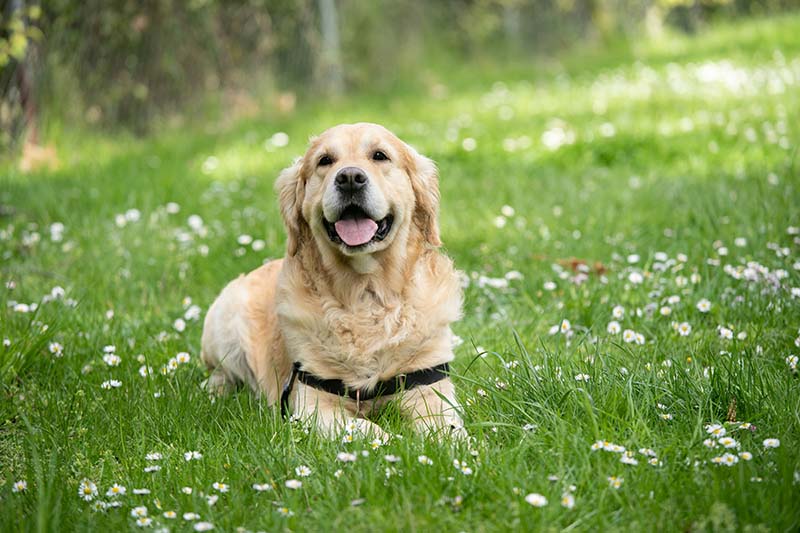
A Golden Retriever can be an excellent option for families seeking a highly trainable and social companion.
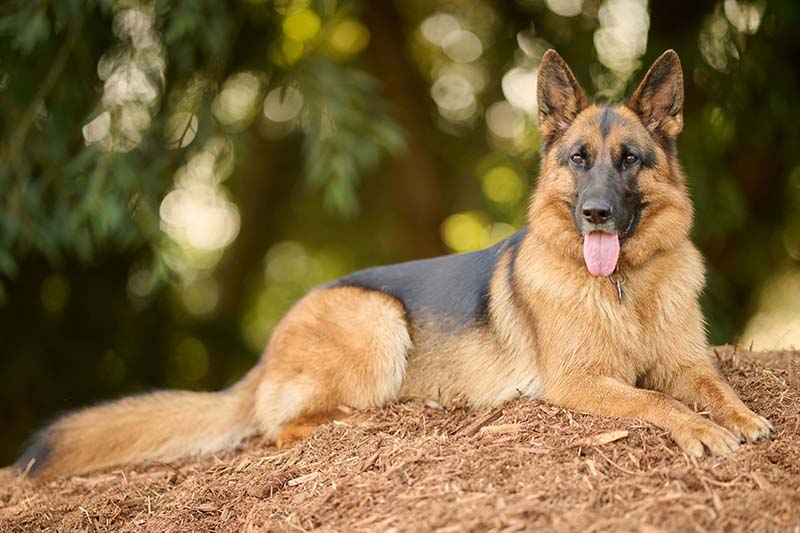
A German Shepherd may appeal to owners looking for a larger working breed with strong protective and versatile working traits.
The Border Collie stands apart because of its combination of intense focus, herding instinct, athleticism, and mental drive.
Before choosing between these breeds, compare their exercise requirements, grooming needs, temperament, size, and training demands.
Border Collie FAQ
Are Border Collies good family dogs?
Yes. Border Collies can be loving and loyal family dogs when their exercise, training, socialization, and mental-stimulation needs are met. Families with young children should supervise interactions because herding behavior can include chasing or heel-nipping.
Are Border Collies good for first-time owners?
They can be challenging for first-time owners. Their intelligence makes them highly trainable, but their energy, sensitivity, and need for mental stimulation require significant commitment.
How much exercise does a Border Collie need?
Most healthy adult Border Collies need substantial daily physical activity combined with mental stimulation. The exact amount varies with age, health, fitness, and individual temperament.
Do Border Collies shed a lot?
Border Collies shed regularly because they have double coats. Shedding can increase seasonally, so more frequent brushing may be needed during heavy shedding periods.
Are Border Collies good apartment dogs?
An apartment is not automatically impossible, but it can be difficult. The owner must provide enough daily exercise, training, enrichment, and outdoor activity. A large home alone does not guarantee that a Border Collie will be satisfied.
Are Border Collies easy to train?
Border Collies are exceptionally trainable. They learn quickly and often enjoy training. However, their intelligence also means they can develop unwanted habits quickly if training and boundaries are inconsistent.
How much does a Border Collie cost in the US?
A Border Collie puppy from a reputable breeder may cost approximately $800–$2,500 or more, while adoption fees are usually lower. Total ownership costs can be much higher once food, veterinary care, training, supplies, grooming, and insurance are included.
Are Border Collies good with cats?
Some Border Collies can live successfully with cats, particularly when introduced carefully and socialized early. However, their natural herding and chasing instincts should be considered.
How often should you groom a Border Collie?
Regular brushing is important, often once or several times per week depending on the coat and shedding level. More frequent brushing may be necessary during seasonal shedding.
Is a Border Collie good for someone who works long hours?
Usually not without a strong care and enrichment plan. Border Collies can struggle when they are consistently left alone without sufficient exercise, interaction, and mental stimulation.
Building a Happy Life With Your Border Collie
The Border Collie is not simply a dog that needs a walk every day. It is a working breed that thrives when it has opportunities to use its body and brain.
The best Border Collie owners give their dogs structure, exercise, training, socialization, enrichment, and plenty of positive interaction.
If you can provide those things, the reward can be extraordinary. You may end up with a companion that learns new commands in minutes, eagerly joins your outdoor adventures, and becomes deeply connected to your daily routine.
Before bringing one home, honestly evaluate your available time and activity level. If your lifestyle is active and you enjoy training, the Border Collie may be an excellent match. If you prefer a low-energy dog that is comfortable with short walks and long periods of downtime, another breed may be a better choice.
For more help preparing your dog’s care routine, explore SmartPetCareGuide’s guides on Best Dog Foods, Best Dog Brushes, Best Dog Shampoo, Best Dog Grooming Kits, Best Dog Nail Clippers, Best Dog Hair Dryers, Dog Bathing Guide, Dog Grooming Guide, Dog Allergy Guide, and Dog Skin Care Guide.