Grooming is an important part of keeping your cat comfortable, healthy, and looking their best. While cats are naturally excellent self-groomers, regular cat grooming can help remove loose hair, prevent tangles, monitor the condition of the skin and coat, and give you an opportunity to notice changes that may need veterinary attention.
The grooming needs of a Persian are very different from those of a Siamese, while a Maine Coon may need considerably more brushing than a short-haired domestic cat. Hairless cats have different skin-care needs altogether.
The good news is that most cat grooming can be handled at home with the right tools, a calm approach, and a routine that matches your cat’s coat and personality. This guide explains how to groom a cat safely, including brushing, bathing, nail trimming, ear and eye care, dental care, paw care, seasonal grooming, and choosing the right grooming products.
Quick Answer: How Often Should You Groom a Cat?
Most cats benefit from regular brushing, although the ideal frequency depends on coat length and type. Short-haired cats may need brushing once or twice a week, while long-haired or easily matted cats may need daily brushing. Nails often need trimming every 2–4 weeks, while healthy adult cats generally require baths only when they become unusually dirty or when bathing is recommended by a veterinarian. Dental care should ideally be performed regularly, with daily tooth brushing being the most effective home routine.
Long-haired cats should receive extra attention around the ears, armpits, groin, and back legs because these areas are particularly prone to tangles and mats.
Table of Contents
- Why Cat Grooming Is Important
- Understanding Your Cat’s Coat Type
- Cat Grooming Schedule
- Cat Grooming Tools You’ll Need
- Step 1: Brushing Your Cat
- Step 2: Bathing Your Cat
- Step 3: Drying Your Cat
- Step 4: Trimming Your Cat’s Nails
- Step 5: Cleaning Your Cat’s Ears
- Step 6: Cat Dental Care
- Step 7: Eye Care
- Step 8: Paw Care
- Seasonal Cat Grooming Tips
- Common Cat Grooming Mistakes
- When Your Cat Needs Professional Grooming
- Recommended Cat Grooming Products
- Grooming Tips for Different Cat Breeds
- Frequently Asked Questions
Why Cat Grooming Is Important
Cats spend a significant amount of time grooming themselves, but self-grooming does not eliminate the need for occasional help from their owners.
Regular grooming removes loose hair and helps keep the coat clean. It can also reduce the amount of fur your cat swallows while licking their coat. For long-haired cats, routine brushing is particularly important because loose hair can become tangled and eventually form painful mats.
Grooming also gives you an opportunity to inspect your cat’s skin and coat. While brushing, look for unusual lumps, bumps, scabs, redness, parasites, bald patches, excessive dandruff, or areas where your cat reacts as though they are painful.
According to veterinary guidance, the condition of a cat’s skin and coat can provide useful clues about overall health. Regular grooming can therefore become part of your normal health-monitoring routine. VCA Animal Hospitals provides additional veterinary guidance on feline grooming and coat care.
Regular grooming can also:
- Remove loose hair and debris
- Reduce tangles and mats
- Help manage shedding
- Distribute natural oils through the coat
- Give you a chance to check for fleas and ticks
- Help identify skin abnormalities
- Keep nails at a manageable length
- Support good dental hygiene
- Build trust between you and your cat
Perhaps most importantly, grooming can become positive bonding time when your cat is introduced to it gradually.
Understanding Your Cat’s Coat Type
Before choosing a grooming routine, consider your cat’s coat.
Cats can have short, medium, long, curly, or hairless coats. Their grooming requirements can vary significantly.
| Coat Type | Typical Examples | Grooming Needs | Difficulty |
|---|---|---|---|
| Short hair | Siamese, American Shorthair | Occasional brushing | Easy |
| Medium hair | Domestic medium hair | Regular brushing | Moderate |
| Long hair | Persian, Maine Coon, Ragdoll | Frequent or daily brushing | High |
| Curly hair | Devon Rex, Cornish Rex | Gentle, specialized care | Moderate |
| Hairless | Sphynx | Skin cleaning and bathing as needed | Moderate |
Long-haired cats generally require the most attention because their coats can develop tangles and mats quickly. Areas behind the ears, beneath the front legs, around the collar, and along the back legs deserve particular attention.
Short-haired cats are usually easier to maintain, but they can still benefit from regular brushing.
Hairless cats do not need brushing in the traditional sense, but they may need their skin cleaned according to their individual needs. Ask your veterinarian or professional groomer for advice if your cat develops excessive oiliness, irritation, or skin problems.
Cat Grooming Schedule
There is no single grooming schedule that works for every cat. Use the following as a starting point and adjust it according to your cat’s coat, lifestyle, age, and health.
| Grooming Task | Recommended Frequency |
|---|---|
| Coat inspection | Daily |
| Brushing — short hair | 1–2 times per week |
| Brushing — long hair | Daily or every other day |
| Nail trimming | About every 2–4 weeks |
| Bathing | Only when needed |
| Ear inspection | Weekly |
| Ear cleaning | Only when needed or advised |
| Teeth brushing | Ideally daily |
| Paw inspection | Weekly |
| Professional grooming | As needed |
Outdoor cats may require more frequent coat inspections because they can pick up dirt, burrs, parasites, or other debris.
Senior, overweight, arthritic, or otherwise less-mobile cats may also require more grooming assistance because they may not be able to groom difficult-to-reach areas effectively.
Cat Grooming Tools You’ll Need
You do not need a large collection of equipment to begin grooming your cat. Start with a few basic tools appropriate for their coat.
Avoid buying grooming tools simply because they are marketed for heavy shedding. The most aggressive tool is not necessarily the best tool for your cat.
A brush should remove loose hair without pulling or scratching the skin.
| Tool | Purpose | Recommended? |
|---|---|---|
| Soft bristle brush | Short coats and loose hair | Yes |
| Slicker brush | Removing loose hair and light tangles | Yes, for suitable coats |
| Metal comb | Long and medium coats | Yes |
| Undercoat comb | Managing loose undercoat | Sometimes |
| Cat nail clippers | Nail trimming | Yes |
| Cat toothbrush | Dental care | Yes |
| Cat toothpaste | Dental care | Yes |
| Pet-safe shampoo | Occasional bathing | Only when needed |
| Microfiber towel | Drying | Yes |
| Grooming wipes | Small cleanups | Optional |
| Pet-safe clippers | Severe mats or trimming | Professional use preferred |
Step 1: Brushing Your Cat
Brushing is usually the most important part of a cat grooming routine. The right brush can make a significant difference, especially when you’re dealing with long, medium, or heavily shedding coats. See our guide to the Best Cat Brushes to find the right option for your cat.
Start by choosing a quiet location where your cat already feels comfortable. Let your cat sniff the brush before you begin. Reward calm behavior with praise or a small treat.
For short-haired cats, use gentle strokes following the natural direction of the coat. For longer coats, work systematically through the coat rather than repeatedly brushing only the top layer.
Pay special attention to:
- Behind the ears
- Around the neck
- Armpits
- Chest
- Belly
- Groin
- Back legs
- Base of the tail
Do not pull forcefully when you encounter a tangle. Pulling can hurt your cat and may cause them to associate grooming with discomfort.
Small tangles may sometimes be worked out gently with a suitable comb. Large or tight mats should not be attacked with scissors. Cat skin can be extremely thin and may become trapped inside a mat.
Veterinary guidance recommends using clippers rather than scissors when removing significant mats, and severe matting is best handled by a veterinarian or experienced professional groomer.
Pro Tip: Keep grooming sessions short at first. A five-minute positive session is much better than a 20-minute struggle.
If your cat becomes tense, tries to escape, swats, or shows other signs of stress, stop and try again later.
Step 2: Bathing Your Cat
Unlike many dogs, most healthy cats do not need regular baths.
Cats are naturally equipped to keep themselves clean, and frequent unnecessary bathing can cause stress. Some cats may need occasional bathing because they have become unusually dirty, cannot groom themselves effectively, have gotten into something unpleasant, or have a medical condition for which your veterinarian recommends bathing.
Before bathing your cat, brush out tangles and loose debris. Mats can become tighter after they become wet.
How to Bathe a Cat Safely
- Prepare everything before bringing your cat into the bathroom.
- Use lukewarm water.
- Place a non-slip towel or mat in the sink or bathing area.
- Use only a cat-safe shampoo when shampoo is necessary.
- Avoid getting shampoo into the eyes and ears.
- Massage the shampoo gently through the coat.
- Rinse extremely thoroughly.
- Wrap your cat in a clean towel.
- Keep them warm and comfortable until completely dry.
Never use human shampoo simply because it is convenient. Cats have different skin requirements, and they may also lick product residue from their coat.
If your cat requires frequent bathing, consult your veterinarian rather than establishing a frequent bathing routine on your own.
Step 3: Drying Your Cat
Drying is an important part of bathing.
After rinsing, gently squeeze excess water from the coat without rubbing aggressively. Wrap your cat in a soft towel and pat them dry.
Many cats become frightened by hair dryers. If your cat tolerates one, use a low, gentle setting and keep the dryer at a safe distance. Avoid hot air because excessive heat can burn sensitive skin or make the experience unnecessarily stressful.
Never force a terrified cat to remain near a noisy dryer.
A warm, draft-free room and absorbent towels are often enough for many cats.
Long-haired cats may require additional attention because moisture can remain trapped close to the skin. Make sure the coat is comfortably dry rather than leaving the cat damp for an extended period.
Step 4: Trimming Your Cat’s Nails
Indoor cats commonly need regular nail trims, although the exact frequency varies.
A practical starting point is every two to four weeks. Check the nails regularly and trim them when the sharp tips become excessively long. Veterinary guidance also recommends trimming only the hooked portion and avoiding the sensitive quick.
How to Trim Cat Nails
- Choose a calm time.
- Place your cat somewhere comfortable.
- Gently hold one paw.
- Press the paw pad to extend the claw.
- Identify the quick.
- Clip only the sharp, hooked tip.
- Release the paw and reward your cat.
- Continue only if your cat remains relaxed.
Do not try to complete every nail in one session if your cat is uncomfortable.
You can start with one nail, provide a reward, and stop. Over several sessions, your cat may become more comfortable with the process.
If your cat has dark nails and you cannot confidently identify where to cut, ask a veterinarian or professional groomer to demonstrate the technique.
Never force a highly stressed cat through nail trimming. A calm, gradual approach is safer and easier in the long term.
Step 5: Cleaning Your Cat’s Ears
Healthy cats generally do not need their ears cleaned on a fixed schedule.
Instead, inspect them regularly.
Look for:
- Excessive wax
- Strong odor
- Redness
- Swelling
- Discharge
- Frequent scratching
- Repeated head shaking
These signs can indicate an ear problem that requires veterinary evaluation.
Do not insert cotton swabs deep into the ear canal. You can accidentally push debris farther inside or injure delicate structures.
If your veterinarian recommends an ear-cleaning solution, follow the product instructions and their specific directions.
Avoid using household products, alcohol, hydrogen peroxide, or other substances that have not been recommended for your cat.
Step 6: Cat Dental Care
Dental care is often overlooked when owners think about grooming, but it is an important part of routine feline care.
Plaque can accumulate on teeth and eventually contribute to tartar and dental disease. Regular tooth brushing can help control plaque before it becomes a larger problem.
Veterinary dental guidance recommends daily brushing when possible, while brushing several times per week can still provide meaningful plaque control.
How to Introduce Tooth Brushing
Do not immediately force a toothbrush into your cat’s mouth.
Instead:
- Let your cat sniff the toothbrush.
- Allow them to taste a small amount of cat-safe toothpaste.
- Gently touch the lips and teeth.
- Introduce a few gentle strokes.
- Gradually increase the number of teeth brushed.
- Reward cooperation.
Use toothpaste specifically formulated for cats. Never use human toothpaste unless your veterinarian specifically directs you otherwise. Human toothpaste is not designed to be swallowed by pets.
If your cat already has significant tartar, bad breath, bleeding gums, or difficulty eating, schedule a veterinary dental examination rather than trying to scrape the teeth yourself.
Step 7: Eye Care
Most healthy cats do not need routine eye cleaning beyond occasional gentle removal of normal discharge.
If you notice a small amount of dried material around the eye, you can gently wipe it away with a clean, damp cloth or appropriate pet-safe wipe.
Do not use human eye drops unless your veterinarian specifically recommends them.
Contact your veterinarian if you notice:
- Persistent discharge
- Redness
- Swelling
- Squinting
- Cloudiness
- Excessive tearing
- Your cat repeatedly rubbing an eye
- A sudden change in the appearance of the eye
Eye problems can worsen quickly, so persistent or significant changes should not be treated as a grooming issue alone.
Step 8: Paw Care
Paw inspections are easy to include in your grooming routine.
Check between the paw pads for dirt, litter, burrs, or other debris. Look for cracked pads, swelling, bleeding, or anything unusual.
Long-haired cats may develop excess hair between their paw pads. Do not automatically trim this hair unless it is causing a problem. If trimming is necessary, use appropriate pet clippers and take extra care because cat skin is delicate.
Outdoor cats may need more frequent paw inspections, particularly after spending time in areas where they could encounter sharp objects, chemicals, or sticky substances.
If your cat is limping or repeatedly licking one paw, do not assume that grooming will solve the problem. Have the paw examined if the issue persists.
Seasonal Cat Grooming Tips
Your cat’s grooming requirements may change throughout the year.
Spring
Spring can bring increased shedding for many cats. Brush more frequently if you notice an increase in loose hair.
This is also a good time to check the coat carefully for fleas, ticks, burrs, and skin irritation, particularly if your cat spends time outdoors.
Summer
Regular brushing can help remove loose undercoat and keep the coat manageable.
However, do not assume that shaving your cat is the best way to keep them cool. A healthy coat provides protection and insulation, and unnecessary shaving can create additional skin-care concerns.
Cats should also have access to shade, fresh water, and a comfortable environment during hot weather.
Fall
Some cats experience another period of heavier shedding during fall. Increase brushing if necessary and monitor long-haired areas for developing mats.
Winter
Indoor heating can contribute to dry skin in some cats. Avoid excessive bathing and pay attention to changes in the skin and coat.
Outdoor cats may require additional paw and coat inspections because of cold weather and environmental exposure.
Common Cat Grooming Mistakes
Avoid these common mistakes when establishing a grooming routine:
- Bathing your cat unnecessarily often
- Using human shampoo
- Using human toothpaste
- Cutting nails too close to the quick
- Pulling aggressively on mats
- Cutting mats with scissors
- Forcing grooming when your cat is highly stressed
- Using harsh brushes or excessive pressure
- Ignoring changes in the skin or coat
- Cleaning healthy ears unnecessarily
- Using essential oils or unapproved products
- Trying to perform complicated haircuts without experience
- Assuming every cat needs the same grooming schedule
One of the biggest mistakes is treating grooming as a race.
Your objective is not to finish as quickly as possible. The objective is to create a routine your cat can tolerate comfortably.
When Your Cat Needs Professional Grooming
Some grooming tasks are better left to an experienced professional.
Consider professional help if your cat has:
- Severe or extensive mats
- A heavily tangled long coat
- Extremely overgrown nails
- Significant dirt or contamination
- A coat that requires specialized trimming
- Strong resistance to grooming
- A medical condition affecting the skin or coat
A veterinarian may be more appropriate than a groomer when the problem involves pain, skin disease, parasites, wounds, ear problems, eye problems, or other medical concerns.
If your cat becomes extremely aggressive or fearful during grooming, do not simply restrain them more tightly. Ask your veterinarian for advice about safe handling and appropriate options.
Recommended Cat Grooming Products ⭐
When buying grooming supplies, focus on the individual needs of your cat rather than purchasing every available tool.
| Category | What to Look For | Suggested Internal Link |
|---|---|---|
| Cat brush | Gentle bristles appropriate for coat type | Best Cat Brushes |
| Metal comb | Rounded, smooth teeth | Best Cat Combs |
| Cat shampoo | Cat-specific and gentle | Best Cat Shampoos |
| Nail clippers | Small, sharp blades | Best Cat Nail Clippers |
| Cat toothbrush | Small head and soft bristles | Best Cat Dental Products |
| Cat toothpaste | Formulated specifically for cats | Best Cat Toothpaste |
| Grooming kit | Useful combination of essential tools | Best Cat Grooming Kits |
| Pet wipes | Cat-safe ingredients | Best Cat Grooming Wipes |
Choose products based on your cat’s coat and grooming tolerance.
For example, a short-haired domestic cat may need little more than a soft brush and nail clippers, while a Persian may benefit from a quality comb, slicker brush, grooming table or mat, and professional grooming support.
Grooming Tips for Different Cat Breeds
Breed can influence grooming needs, but individual cats matter too.
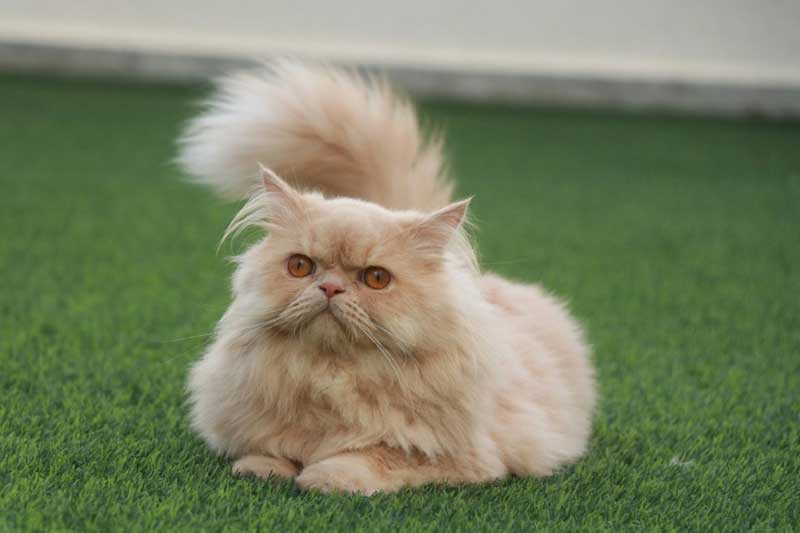
Persian Cats
Persians have long coats that can mat easily. Daily brushing is often appropriate, particularly around the face, legs, belly, and other areas prone to tangling.
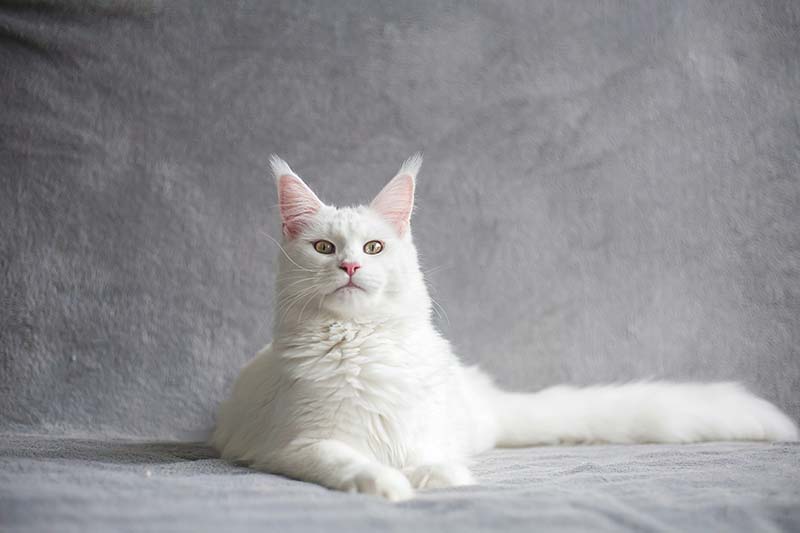
Maine Coon Cats
Maine Coons have long, substantial coats and can develop tangles without regular brushing. Pay particular attention to the areas around the collar, chest, rear legs, and tail.
Ragdoll Cats
Ragdolls have semi-long coats that benefit from regular combing. Check behind the ears and around the legs for developing tangles.
Siamese Cats
Siamese cats have short coats and generally require less brushing than long-haired breeds. A gentle weekly brushing routine may be sufficient for many individuals.
Bengal Cats
Bengals have short, relatively easy-to-maintain coats. Regular gentle brushing can help remove loose hair and provide an opportunity to inspect the skin.
Sphynx Cats
Hairless cats have different grooming needs. Without a traditional coat, oils can accumulate on the skin, and some individuals need regular cleaning or bathing. Because skin-care needs vary, ask your veterinarian for guidance if your Sphynx develops irritation or excessive oiliness.
Cat Grooming Tips from Veterinary Professionals
The most effective grooming routines are gentle, consistent, and individualized.
Introduce grooming gradually rather than waiting until your cat desperately needs a nail trim or has developed severe mats.
Positive reinforcement can make a major difference. Give treats after calm behavior and keep early grooming sessions short.
Watch your cat’s body language. Flattened ears, a rapidly twitching tail, dilated pupils, attempts to escape, growling, hissing, or swatting can indicate that your cat needs a break.
Most importantly, grooming should never replace veterinary care.
Changes in the skin, coat, mouth, ears, eyes, or behavior may sometimes indicate an underlying medical problem.
Frequently Asked Questions
How often should I groom my cat?
Short-haired cats may only need brushing once or twice a week, while long-haired cats may need daily brushing. Nail trimming is often needed every two to four weeks. Adjust the schedule based on your cat’s coat and individual needs.
Do cats need to be bathed?
Most healthy adult cats rarely need baths because they groom themselves. Bathing may be appropriate when a cat becomes unusually dirty, cannot groom properly, or requires medically directed bathing.
Can I use human shampoo on my cat?
It is better to use a shampoo specifically formulated for cats. Cats may lick product residue from their coats, so products should be selected with feline safety in mind.
How can I reduce my cat’s shedding?
Regular brushing is one of the simplest ways to remove loose hair before it ends up around your home or is swallowed during self-grooming. Long-haired cats may need daily brushing during heavier shedding periods.
Should I shave my cat in summer?
Usually, shaving is unnecessary for a healthy cat. The coat provides protection as well as insulation. If your cat has severe mats or a medical reason for clipping, consult a professional groomer or veterinarian.
How often should I trim my cat’s nails?
Many indoor cats need nail trims about every two to four weeks, although individual growth rates differ. Outdoor cats may have different needs depending on their lifestyle.
How do I groom a cat that hates brushing?
Start with very short sessions. Let your cat investigate the brush, reward calm behavior, and brush only a small area at first. If your cat becomes stressed, stop and try again later.
Can I remove a cat’s mats at home?
Small tangles may sometimes be gently combed out. Large, tight, or extensive mats should be handled by a professional. Avoid using scissors because cat skin can easily become caught in a mat.
Do cats need their ears cleaned?
Healthy cats generally do not require routine ear cleaning. Inspect them regularly and speak with your veterinarian if you notice odor, redness, discharge, excessive wax, scratching, or head shaking.
How often should I brush my cat’s teeth?
Daily brushing is ideal for controlling plaque, although brushing several times a week is still useful. Use a toothbrush and toothpaste made specifically for cats.
When should I take my cat to a professional groomer?
Professional grooming may be appropriate for severe mats, complicated coat trims, difficult nail care, or cats that cannot safely be groomed at home. Veterinary care is more appropriate when grooming problems involve pain, skin disease, wounds, or other health concerns.
Final Takeaway
A good cat grooming routine does not need to be complicated. The key is to match grooming frequency and tools to your cat’s coat, lifestyle, age, and tolerance.
Short-haired cats may need only occasional brushing, while long-haired cats often require daily attention to prevent mats. Nail trimming is commonly needed every few weeks, dental care should be performed regularly, and bathing is usually reserved for situations where it is genuinely necessary.
The most important part of cat grooming is consistency. Short, calm grooming sessions are easier for most cats to accept than occasional intensive sessions.
Use grooming time as an opportunity to check your cat’s skin, coat, paws, ears, eyes, nails, and mouth. If you notice anything unusual or your cat appears painful or unusually resistant to handling, consult your veterinarian.
With the right approach, grooming can become more than routine maintenance—it can be a comfortable bonding activity that helps you notice changes in your cat’s health early.