Cats are naturally excellent groomers, so most healthy cats do not need frequent baths. Still, there are situations when a bath can be helpful. Your cat may get into something sticky or dirty, develop an oily coat, struggle to groom because of age or mobility, or need a shampoo recommended by a veterinarian for a skin problem.
Choosing the right product matters because cats have different skin and grooming needs from humans. Human shampoo can be too harsh for a cat’s skin, while some dog grooming products may contain ingredients that are not appropriate for cats.
The best cat shampoos are generally gentle, cat-safe, easy to rinse, and matched to the reason you are bathing your cat. Some formulas are designed for occasional full baths, while others are waterless products intended for quick cleanups between baths.
In this guide, we compare seven popular cat shampoos and explain what each one is best suited for. We also cover ingredients, bathing frequency, waterless shampoos, sensitive skin, hairless cats, and what to avoid when shopping.
If you are building a complete grooming routine, you may also want to read our Cat Grooming Guide, Best Cat Brushes, and other cat grooming resources.
Our Top Picks for the Best Cat Shampoos
| Product | Rating | Best For |
|---|---|---|
| Earthbath Hypoallergenic Dog & Cat Shampoo | 4.9/5 | Overall |
| Burt’s Bees Waterless Shampoo for Cats | 4.8/5 | Waterless cleaning |
| TropiClean Waterless Dander Reducing Cat Shampoo | 4.7/5 | Dander control |
| Davis Degrease Dog & Cat Shampoo | 4.6/5 | Hairless and oily-coated cats |
| Veterinary Formula Clinical Care Hypoallergenic Shampoo | 4.6/5 | Sensitive skin |
| FURminator FUR deShedding Foaming Cat Shampoo | 4.5/5 | Shedding |
| MiconaHex+Triz Shampoo for Dogs & Cats | 4.5/5 | Veterinary-directed skin care |
Prices vary by retailer, bottle size, promotions, and availability. Always check the current product label before purchasing.
How We Selected the Best Cat Shampoos
Transparency matters when recommending pet-care products.
For this guide, we compared products based on their intended use, formulation, bathing method, convenience, coat and skin needs, and information available from established pet-product reviews and manufacturers.
We looked at several factors:
- Cat-specific or cat-safe formulation
- Ingredients and potential irritants
- Suitability for sensitive skin
- Waterless versus traditional bathing
- Ease of application
- Ease of rinsing
- Coat-cleaning ability
- Special uses such as dander, shedding, or oily skin
- Age restrictions
- Whether veterinary guidance may be appropriate
We also considered current product information and compared it with established cat-grooming guidance.
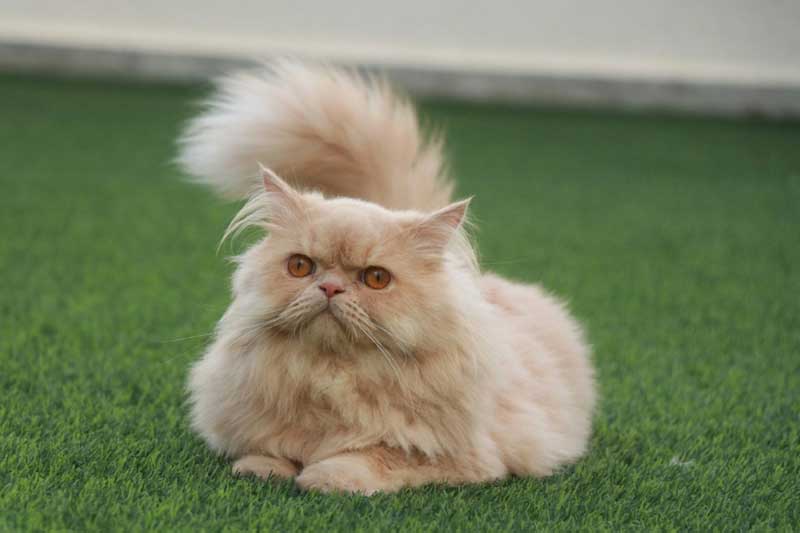
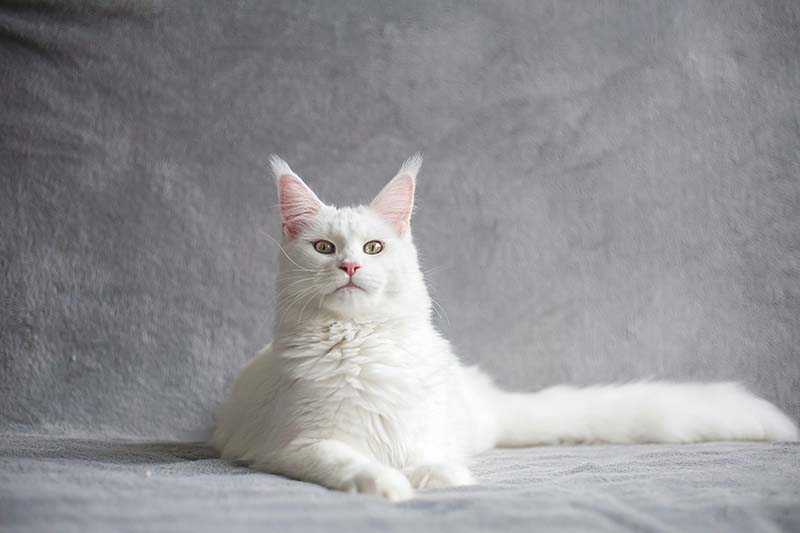
The goal is not to suggest that one shampoo is perfect for every cat. A short-haired indoor cat may have very different needs from a Sphynx, Persian, or Maine Coon.
1. Earthbath Hypoallergenic Dog & Cat Shampoo — Best Overall
Overview
Earthbath Hypoallergenic Dog & Cat Shampoo is a strong all-purpose option for cat owners who occasionally need to give their cat a traditional bath.
It is designed for pets with sensitive skin and avoids several ingredients that many owners prefer to minimize, including artificial fragrances, dyes, and parabens.
The formula uses mild cleansers along with ingredients intended to help clean and condition the coat.
Both Cats.com and Business Insider have identified Earthbath’s hypoallergenic shampoo as an overall pick in their respective cat shampoo guides.
Specifications
- Type: Traditional liquid shampoo
- Best for: General bathing
- Skin type: Sensitive or normal skin
- Suitable for: Cats and dogs
- Fragrance: Hypoallergenic/low fragrance depending on formulation
- Application: Diluted or according to label directions
Pros
- Gentle formula
- Good general-purpose option
- Designed with sensitive skin in mind
- Suitable for occasional bathing
- Widely available
- Can be diluted according to product directions
Cons
- Some cats may dislike any added scent
- Requires a full bath
- Not intended to replace veterinary treatment for skin disease
Who Should Buy
Choose Earthbath if you want one versatile shampoo for occasional bathing and your cat does not require a specialized medicated product.
It can make sense for cats that occasionally become dirty, have difficulty grooming themselves, or simply need help after getting into something they should not have.
Who Should Avoid
Do not rely on a general shampoo to treat persistent itching, infections, parasites, wounds, or unexplained hair loss.
Those problems require veterinary assessment.
Verdict
Earthbath is a practical all-around choice when you want a gentle traditional shampoo without turning bath time into a complicated process.
2. Burt’s Bees Waterless Shampoo for Cats — Best Waterless Shampoo
Overview
Not every dirty cat needs a full bath.
Burt’s Bees Waterless Shampoo for Cats is designed for situations where you want to freshen or spot-clean your cat without filling a sink or tub.
Waterless products can be particularly useful for cats that strongly dislike traditional baths.
The product is applied to the coat and worked through without a conventional rinse. That makes it useful for small messes, travel, and between-bath grooming.
Specifications
- Type: Waterless liquid shampoo
- Best for: Spot cleaning and between baths
- Application: Spray or apply according to label
- Rinsing: Not required when used as directed
- Best suited to: Cats that tolerate grooming better than bathing
Pros
- No traditional bath required
- Convenient for quick cleanups
- Useful for travel
- Easier for cats that dislike water
- Simple application
Cons
- Not a substitute for a full bath when the coat is heavily soiled
- May require brushing afterward
- Cannot replace treatment for an underlying skin condition
Who Should Buy
This is a useful option for cat owners who want something for minor messes or between full baths.
It can also be helpful for older cats that struggle with normal grooming.
Who Should Avoid
If your cat has a heavily soiled coat, greasy skin, fecal contamination, or another significant hygiene problem, a proper bath or professional grooming may be more appropriate.
Verdict
Burt’s Bees Waterless Shampoo is a convenient addition to a grooming kit, especially when a traditional bath would create unnecessary stress.
3. TropiClean Waterless Dander Reducing Cat Shampoo — Best for Dander
Overview
Dander can be a frustrating issue for households with cat allergies.
TropiClean Waterless Dander Reducing Cat Shampoo is designed to freshen the coat while helping reduce visible dander.
It uses a waterless application, making it convenient for cats that dislike baths.
The formula includes oatmeal and cucumber extracts and is marketed without soap, parabens, or dyes.
Specifications
- Type: Waterless foam
- Best for: Dander and between-bath grooming
- Application: Foam applied directly to coat
- Rinsing: No traditional rinse
- Key ingredients: Oatmeal and cucumber extracts
Pros
- No bath required
- Convenient foam application
- Designed for dander control
- Contains moisturizing ingredients
- Useful between full baths
Cons
- May not replace a full bath
- Some cats may dislike the fragrance
- May require brushing to distribute the product
- Not appropriate for very young kittens unless the label specifically permits it
Who Should Buy
This shampoo is worth considering if your main concern is visible dander and you want a waterless product.
Regular grooming can also help remove loose hair and skin flakes from the coat.
Who Should Avoid
Do not treat a waterless shampoo as an allergy cure.
Cat allergies are caused by proteins associated with cats, including allergens found in saliva and skin flakes. Cleaning the coat may help with some household allergens, but it does not eliminate the underlying allergy.
Verdict
TropiClean is a convenient choice for owners looking for a waterless grooming product with dander control as a specific goal.
4. Davis Degrease Dog & Cat Shampoo — Best for Hairless Cats
Overview
Hairless cats have different grooming needs from fluffy cats.
The Sphynx, for example, does not have a conventional coat to absorb and distribute skin oils. As a result, some Sphynx cats can develop visibly oily skin and may require more frequent bathing than coated cats.
Davis Degrease Dog & Cat Shampoo is designed for oily and dirty coats and has become a popular option among owners of hairless cats.
It is concentrated, so following the manufacturer’s directions is especially important.
Specifications
- Type: Concentrated liquid/paste-style shampoo
- Best for: Oily coats and hairless cats
- Suitable for: Cats and dogs
- Application: Dilute or use according to label
- Main purpose: Degreasing and cleaning
Pros
- Designed for oily coats
- Concentrated formula
- Useful for hairless cats
- Can help remove accumulated oils
- Suitable for particularly dirty coats
Cons
- May be too strong for cats that simply need a gentle routine shampoo
- Requires careful dilution or application
- Less convenient than standard liquid shampoos
- Hairless cats may still require an individualized grooming schedule
Who Should Buy
Consider this shampoo if you have a Sphynx or another cat that develops significant oil buildup.
Our Sphynx Cat Guide covers the breed’s grooming requirements in greater detail.
Who Should Avoid
Do not use a degreasing shampoo simply because it sounds more powerful.
Over-cleaning or excessive degreasing can potentially contribute to skin irritation. Your cat’s actual needs should determine the bathing routine.
Verdict
Davis Degrease is a specialized option rather than a universal shampoo. For oily skin and hairless cats, however, its purpose makes it worth considering.
5. Veterinary Formula Clinical Care Hypoallergenic Shampoo — Best for Sensitive Skin
Overview
Cats with sensitive skin need a gentle approach to grooming.
Veterinary Formula Clinical Care Hypoallergenic Shampoo is designed for pets that may be prone to dryness or irritation.
The formula is marketed as free from several common ingredients that sensitive pets may not tolerate well, including fragrances, dyes, and soap.
Specifications
- Type: Liquid shampoo
- Best for: Sensitive skin
- Suitable for: Cats and dogs
- Formula: Hypoallergenic
- Key features: Gentle cleansing and pH-balanced formulation
Pros
- Designed for sensitive skin
- No added fragrance in the reviewed formulation
- No dyes
- No soap
- Suitable for cats and dogs
- Good option for occasional bathing
Cons
- May not solve every skin problem
- Some cats may still react to individual ingredients
- Not a substitute for veterinary treatment
Who Should Buy
This is worth considering if your cat has a history of sensitivity and you want a straightforward shampoo for occasional bathing.
Always check the current ingredient list before purchasing because formulations can change.
Who Should Avoid
If your cat already has significant redness, scaling, open sores, bald patches, or persistent itching, talk to a veterinarian instead of experimenting with multiple shampoos.
Verdict
Veterinary Formula Clinical Care is a sensible option for owners who prioritize a gentle, fragrance-free approach to routine bathing.
6. FURminator FUR deShedding Foaming Cat Shampoo — Best for Shedding
Overview
Some cats leave fur everywhere.
A de-shedding shampoo can be useful as part of a larger grooming routine, especially when combined with regular brushing.
FURminator FUR deShedding Foaming Cat Shampoo is designed around shedding control and includes ingredients such as calendula and omega fatty acids.
However, shampoo alone cannot solve heavy shedding. Regular brushing is still one of the most useful ways to remove loose hair before your cat swallows it or leaves it around your home.
Specifications
- Type: Foaming cat shampoo
- Best for: Shedding management
- Key ingredients: Calendula and omega fatty acids
- Application: Follow label directions
- Best paired with: Regular brushing
Pros
- Designed specifically for shedding
- Easy foam application
- Contains conditioning ingredients
- Free from parabens and chemical dyes
- Can complement regular brushing
Cons
- Not necessary for every cat
- Some users report residue
- Fragrance may not appeal to every cat
- Does not replace brushing
Who Should Buy
Consider this product if shedding is one of your biggest grooming concerns and your cat tolerates bathing.
For better results, combine bathing with the right brush. Our Best Cat Brushes guide compares options for short coats, long coats, shedding, and mats.
Who Should Avoid
Do not use aggressive grooming products repeatedly simply because your cat sheds.
If shedding becomes sudden, excessive, or associated with bald patches or irritated skin, consult your veterinarian.
Verdict
FURminator is best viewed as a supporting product for a broader shedding-control routine rather than a magic solution for cat hair.
7. MiconaHex+Triz Shampoo for Dogs & Cats — Best Medicated Option
Overview
Medicated shampoos are different from ordinary grooming shampoos.
MiconaHex+Triz contains active ingredients intended to address certain fungal and bacterial skin problems. The formulation includes miconazole and chlorhexidine along with moisturizing ingredients.
Because this is a medicated product, it should be used according to veterinary advice when treating an actual skin condition.
Specifications
- Type: Medicated shampoo
- Best for: Certain veterinary skin conditions
- Active ingredients: Miconazole and chlorhexidine
- Suitable for: Dogs and cats
- Use: Follow veterinary or label instructions
Pros
- Contains active antimicrobial ingredients
- Designed for specific skin problems
- Includes moisturizing ceramides
- Fragrance-free formulation
- Can be useful when medically appropriate
Cons
- More expensive than basic cat shampoos
- Not necessary for routine bathing
- Medicinal smell
- Should not be used as a general-purpose shampoo without a reason
Who Should Buy
This product is most appropriate for cat owners whose veterinarian has recommended a medicated shampoo for a diagnosed or suspected skin problem.
Who Should Avoid
Do not self-diagnose your cat’s skin condition and automatically reach for a medicated shampoo.
Redness, scaling, hair loss, itching, and lesions can have many causes, including parasites, allergies, infections, and other medical problems.
Verdict
MiconaHex+Triz is a specialized product for situations where medicated cleansing is appropriate. It belongs in a veterinary-guided grooming routine rather than a standard bath kit.
What to Look for When Buying Cat Shampoo
Choosing the best cat shampoo is easier when you start with your cat’s actual needs.
1. Make Sure It Is Intended for Cats
The first rule is simple: choose a product that is specifically labeled for cats or clearly states that it is safe for cats.
Do not assume that every pet shampoo is interchangeable.
Some dog products contain ingredients that are unsuitable for cats.
2. Consider Your Cat’s Skin
If your cat has normal skin, a gentle general-purpose shampoo may be enough.
If your cat has sensitive skin, look for a mild formulation without unnecessary fragrance or harsh cleansing ingredients.
If your cat has a diagnosed skin condition, ask your veterinarian about an appropriate medicated product.
3. Choose Between Traditional and Waterless Shampoo
Traditional shampoos require water and rinsing.
They are better suited to:
- Heavy dirt
- Greasy coats
- Full-body cleaning
- Certain veterinary treatments
Waterless products are useful for:
- Small messes
- Spot cleaning
- Between-bath freshening
- Travel
- Cats that strongly dislike water
A waterless shampoo is convenient, but it should not be considered a replacement for a proper bath when your cat genuinely needs one.
4. Avoid Strong Fragrances
Cats have a highly developed sense of smell.
A product that smells wonderful to you may be overwhelming to your cat.
For this reason, many owners prefer fragrance-free or lightly scented formulas.
5. Read the Ingredient List
Look for simple, clearly identified ingredients and avoid products that are not labeled for feline use.
If your cat has previously reacted to grooming products, compare ingredient lists before trying something new.
6. Consider Your Cat’s Age
Kittens can have different grooming requirements from adult cats.
Always check the minimum age on the product label before using a shampoo on a kitten.
7. Think About Coat Type
Your cat’s coat can affect how often bathing is needed and which products make sense.
Long-haired cats such as Maine Coons may need more regular grooming to prevent tangles.
You can learn more about their grooming requirements in our Maine Coon Cat Guide.
Short-haired breeds such as the Siamese generally require less coat maintenance, as discussed in our Siamese Cat Guide.
How Often Should You Bathe a Cat?
Most healthy cats do not need frequent baths because they are naturally effective groomers. The ASPCA also recommends using products specifically designed for cats when bathing is necessary. For additional guidance on brushing, bathing, and basic grooming, see the ASPCA’s cat grooming guidance.
Cats naturally groom themselves, and healthy cats can usually maintain a clean coat without frequent baths.
A bath may be appropriate when:
- Your cat gets into something sticky
- The coat becomes heavily soiled
- Your cat cannot groom itself properly
- Your veterinarian recommends bathing
- Your cat has an oily skin condition
- A hairless cat requires regular skin cleaning
Senior cats, overweight cats, and cats with mobility limitations may sometimes need additional grooming assistance.
The important point is not to create a bathing schedule simply because a shampoo bottle says you can use it frequently.
Let your cat’s coat, skin, health, and veterinarian’s advice guide the routine.
How to Bathe a Cat Safely
Bathing a cat can be stressful, but preparation makes a major difference.
Step 1: Brush First
Brush your cat before the bath.
This removes loose hair and helps identify mats before they become soaked and harder to manage.
Our Best Cat Brushes guide can help you choose a brush based on coat type.
Step 2: Prepare Everything Beforehand
Have your shampoo, towels, cup or sprayer, and treats ready before bringing your cat into the bathing area.
You do not want to leave a wet cat unattended while looking for supplies.
Step 3: Use Lukewarm Water
Water should be comfortably warm rather than hot.
A nonslip mat can also give your cat better footing and reduce panic.
Step 4: Keep Water Away From the Face
Avoid spraying water directly into your cat’s eyes, nose, ears, or mouth.
Use a damp cloth around the face when necessary.
Step 5: Use Cat-Safe Shampoo
Follow the product’s directions.
Some shampoos are concentrated and require dilution. Others are ready to use.
Never assume that more shampoo means a cleaner cat.
Step 6: Rinse Thoroughly
Rinsing is extremely important with traditional shampoo.
Residual product can irritate the skin and may be swallowed later when your cat grooms itself.
Step 7: Dry Carefully
Wrap your cat in a clean towel and gently absorb excess water.
Keep your cat somewhere warm and away from drafts until the coat is dry.
If your cat becomes frightened by a hair dryer, do not force it. A quiet towel-drying process may be preferable.
What Ingredients Should You Avoid in Cat Shampoo?
Ingredient safety matters more than marketing claims.
Never use human shampoo simply because it is labeled gentle or natural.
Human skin and feline skin have different needs, and products made for people can be too harsh for cats.
You should also be cautious with dog shampoos that contain flea-control ingredients or essential oils unless the product specifically states that it is safe for cats.
If you are unsure whether a product is appropriate, ask your veterinarian before applying it.
Can You Use Human Shampoo on a Cat?
No. Human shampoo is not a good substitute for cat shampoo.
Even mild human shampoos can disrupt the skin barrier or cause dryness and irritation.
Human shampoo is not a good substitute for cat shampoo. Even products marketed as mild or gentle for people are formulated for human skin rather than feline skin. For broader information about keeping cats healthy and properly cared for, see the ASPCA’s general cat care recommendations.
Choose a feline-specific product instead.
Do Cats Need Flea Shampoo?
Not necessarily.
Flea control should be based on an appropriate veterinary-recommended treatment plan rather than relying on a bath alone.
Flea shampoos may kill or remove some fleas present on the cat, but controlling an infestation can require treatment of the cat, other pets, and the household environment.
If your cat has fleas, speak with your veterinarian about a safe flea-control product.
Never use a flea product intended for dogs unless it is explicitly labeled as safe for cats.
When Should You Avoid Bathing Your Cat?
Bathing is not always the right solution.
Skin and coat changes can sometimes indicate a problem that requires more than a grooming product. If you notice persistent itching, hair loss, lesions, or other unusual changes, it is better to have your cat evaluated rather than repeatedly changing shampoos. The Cornell Feline Health Center provides additional educational resources on feline health.
Delay the bath and seek professional advice if your cat has:
- Open wounds
- Severe skin inflammation
- Significant hair loss
- Painful areas
- Extensive mats
- Suspected infection
- Severe anxiety or aggression during grooming
If your cat has something potentially toxic on its coat, contact a veterinarian or pet poison service promptly rather than experimenting with household cleaning products.
Cat Shampoo and Different Breeds
Breed can influence grooming needs, although individual cats can vary significantly.
Sphynx
Hairless cats may accumulate skin oils and can require more frequent bathing than coated cats.
Read our Sphynx Cat Guide for more breed-specific care information.
Maine Coon
Maine Coons have long, thick coats that can develop tangles and mats. Regular brushing is usually more important than frequent bathing.
Our Maine Coon Cat Guide covers their grooming needs in more detail.
Ragdoll
Ragdolls have semi-long coats that benefit from regular brushing. Keeping the coat tangle-free can reduce the need for extensive bathing.
See our Ragdoll Cat Guide for more information.
Bengal
Bengals have short, sleek coats and generally require less grooming than long-haired breeds. Weekly brushing can help remove loose hair and maintain the coat.
Learn more in our Bengal Cat Guide.
Siamese
Siamese cats have short coats and typically have relatively low grooming requirements.
Our Siamese Cat Guide explains their general grooming and care routine.
Frequently Asked Questions
What is the best cat shampoo?
The best cat shampoo depends on your cat’s individual needs. Earthbath Hypoallergenic Dog & Cat Shampoo is a versatile choice for occasional general bathing, while waterless, degreasing, shedding, and medicated formulas are better suited to specific situations.
Can I use baby shampoo on my cat?
It is better to use a shampoo specifically formulated for cats. Baby shampoo is still a human product and is not designed around feline skin and grooming needs.
What is the best shampoo for cats with sensitive skin?
Look for a cat-safe, gentle, fragrance-free or hypoallergenic formulation. Veterinary Formula Clinical Care Hypoallergenic Shampoo and Earthbath Hypoallergenic Shampoo are two options worth considering.
If your cat has persistent skin problems, ask a veterinarian before choosing a shampoo.
What is the best waterless cat shampoo?
Burt’s Bees Waterless Shampoo for Cats is a convenient choice for quick cleaning and between-bath grooming. TropiClean’s waterless formula is another option, particularly if dander is a concern.
Can I use dog shampoo on my cat?
Only use a dog shampoo if the manufacturer clearly states that it is safe for cats. Some dog products contain ingredients that can be harmful to cats.
How often should I bathe my cat?
Most cats rarely need baths. Bathing may be appropriate when a cat is heavily dirty, cannot groom itself properly, has oily skin, or needs a veterinarian-recommended treatment.
Are medicated cat shampoos safe?
Medicated shampoos can be appropriate for certain conditions, but they should be used according to the label or your veterinarian’s instructions. They are not necessary for routine bathing.
Do hairless cats need shampoo?
Some hairless cats, especially Sphynx cats, may need regular baths because skin oils accumulate more easily. The ideal bathing frequency varies by individual cat.
Can cat shampoo help with shedding?
Some shampoos are marketed for shedding, but brushing remains an important part of shedding management. A suitable brush can remove loose hair before it spreads around your home or is swallowed during self-grooming.
Build a Simple Cat Grooming Routine
You do not need a cabinet full of grooming products to keep your cat clean.
For most cats, a basic routine can include:
- Regular brushing
- Occasional bathing when needed
- Nail trimming
- Dental care
- Routine skin and coat checks
- Veterinary care when something looks abnormal
Our Cat Grooming Guide explains how to put these steps together.
If you are shopping for grooming supplies, you can also explore our Best Cat Brushes guide and other cat grooming product reviews.
The right shampoo is only one part of good grooming. A comfortable brush, calm handling, proper drying, and a cat-friendly routine can make a much bigger difference than simply choosing the most expensive bottle.
A Cleaner Coat Starts With the Right Routine
The best cat shampoos are not necessarily the strongest or most heavily scented products.
The right choice depends on why your cat needs a bath in the first place.
For occasional full-body cleaning, a gentle hypoallergenic shampoo such as Earthbath is a practical choice. For quick cleanups, a waterless product like Burt’s Bees can save you from an unnecessary battle with the bathtub. Cats with oily skin may benefit from a specialized degreasing formula, while cats with specific medical skin conditions may require a veterinarian-recommended medicated shampoo.
Most importantly, remember that bathing is only one part of feline grooming.
Regular brushing, appropriate nutrition, parasite prevention, dental care, and routine veterinary checkups all contribute to a healthy coat and comfortable cat.
If you are unsure whether your cat actually needs a bath, start by looking at the coat and skin rather than the shampoo shelf. Sometimes the best grooming decision is simply a gentle brush and a little patience.