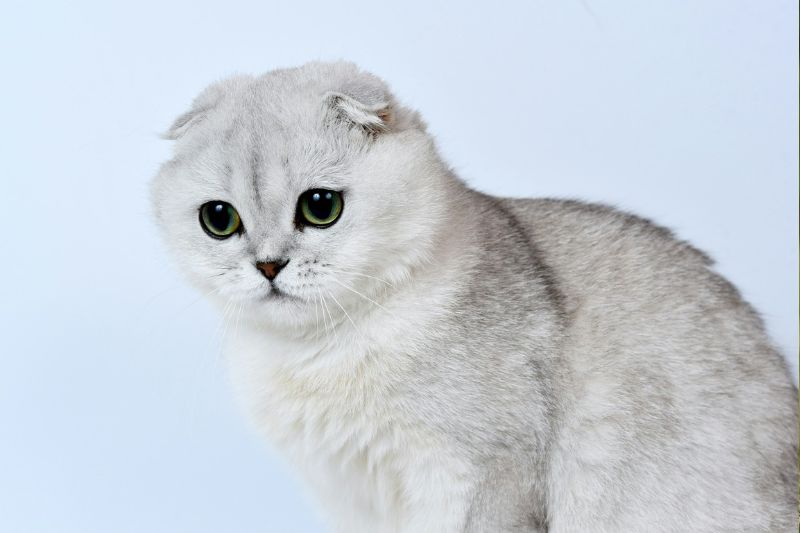
The Scottish Fold Cat is one of the most recognizable cat breeds thanks to its adorable folded ears, round eyes, and calm personality. Originally developed in Scotland, this breed has become increasingly popular among US pet owners looking for an affectionate and low-drama companion.
Although their appearance attracts attention immediately, owning a Scottish Fold requires understanding their grooming, health, exercise, and long-term care requirements. This guide covers everything you need to know before bringing one home.
Quick Breed Overview
| Category | Details |
|---|---|
| Origin | Scotland |
| Size | Medium |
| Weight | 6–13 lbs |
| Lifespan | 11–15 Years |
| Temperament | Gentle, Social, Affectionate |
| Coat Type | Short or Long |
| Grooming | Moderate |
| Family Friendly | Excellent |
| Apartment Friendly | Excellent |
| Activity Level | Moderate |
Key Characteristics
Energy Level
Scottish Fold Cats are playful but not hyperactive. They enjoy short play sessions followed by long periods of rest and relaxation.
This balanced energy level makes them suitable for apartment living and families who want companionship without constant activity.
Trainability
These cats learn routines quickly and respond well to rewards and repetition. Many owners successfully teach litter habits, carrier comfort, and interactive games.
Training should remain positive and gentle because Scottish Folds respond better to encouragement than correction.
Friendliness
Scottish Fold Cats are highly social and usually enjoy spending time near their owners. They are affectionate without becoming overly demanding.
Many owners describe them as “quiet companions” because they prefer being involved rather than constantly seeking attention.
Shedding
Shedding is generally moderate and manageable with routine brushing. Long-haired Scottish Folds require more frequent grooming than short-haired varieties.
Regular coat care also helps reduce hairballs and keeps their coat healthy.
Breed History
The Scottish Fold Cat originated in Scotland in the early 1960s after a shepherd discovered a white farm cat named Susie with naturally folded ears. Breeders noticed this unique trait and carefully developed the breed.
Over time, Scottish Folds gained international popularity due to their distinctive appearance and calm temperament. Today they remain one of the most recognizable companion cat breeds worldwide.
Because the folded-ear appearance is linked to cartilage development, ethical breeding practices remain extremely important. Owners who want to understand official breed standards and registration guidelines can review recommendations from The International Cat Association (TICA).
Temperament & Personality
Scottish Fold Cats are widely known for their calm and affectionate nature. They often enjoy sitting next to their owners rather than demanding constant physical affection.
They usually form strong family bonds and prefer staying involved in daily household activities.
With Families
Scottish Folds generally adapt well to busy homes and family routines. Their gentle personality makes them suitable for households with children.
Children should still learn respectful handling and supervised interaction.
With Other Pets
This breed usually gets along well with other cats and cat-friendly dogs. Early introductions and gradual socialization improve long-term compatibility.
Their relaxed personality helps reduce household tension in multi-pet homes.
Intelligence
Scottish Fold Cats are observant and intelligent. They quickly recognize schedules, feeding routines, and household habits.
Puzzle toys and interactive play sessions help keep them mentally stimulated.
More Reading Suggestions:
- Sphynx Cat Guide (for owners wanting a lower-shedding companion)
- Bengal Cat Guide (for a more active personality)
- British Shorthair Guide (for similar calm behavior)
- Ragdoll Cat Guide (for stronger owner attachment)
Training & Socialization
Start Early
Early socialization helps Scottish Fold kittens become comfortable with people, sounds, and new environments.
Introducing new experiences gradually builds confidence and reduces stress later.
Positive Reinforcement
Treats, praise, and play are effective training tools. Rewarding desired behavior encourages consistency.
Avoid punishment because it can create anxiety and reduce trust.
Environmental Enrichment
Provide climbing spaces, scratching posts, and puzzle feeders. Mental stimulation supports both emotional and physical health.
Rotating toys regularly helps maintain interest.
Is This Breed Right for You?
Scottish Fold Cats fit many modern lifestyles because of their adaptable personality and moderate care requirements.
You may enjoy this breed if you want a calm indoor companion that enjoys affection and family interaction.
Great Match If You:
✓ Live in an apartment
✓ Want a moderate-energy pet
✓ Prefer indoor companionship
✓ Can provide regular vet care
May Not Be Ideal If You:
✗ Want a highly athletic cat
✗ Cannot manage ongoing healthcare costs
✗ Prefer independent pets
Care & Maintenance
Grooming
Short-haired Scottish Folds benefit from brushing once or twice per week. Long-haired varieties often need brushing several times weekly.
Routine grooming prevents tangles and reduces loose hair around the house.
Exercise
Daily interactive play supports healthy weight management and reduces boredom.
Simple activities like feather toys and climbing structures usually provide enough exercise.
Living Conditions
Scottish Fold Cats adapt extremely well to indoor environments. They typically enjoy quiet spaces and predictable routines.
Indoor living also reduces environmental risks and supports long-term health.
Common Health Problems
Health is one of the most important considerations when choosing a Scottish Fold Cat. While many live happy and comfortable lives, owners should understand the breed’s genetic predispositions and commit to preventive care.
Routine veterinary visits, healthy nutrition, and responsible breeding significantly improve long-term outcomes. For deeper information about feline health and preventive care, pet owners can review educational resources published by Cornell Feline Health Center.
Osteochondrodysplasia
Osteochondrodysplasia is the most commonly discussed health concern associated with Scottish Fold Cats. The same gene responsible for folded ears can also affect cartilage and bone development.
Symptoms may include reduced mobility, stiffness, unusual walking patterns, and discomfort as the cat ages.
Arthritis & Joint Issues
Scottish Fold Cats may develop joint-related conditions earlier than some other breeds. Maintaining a healthy weight reduces unnecessary pressure on joints.
Watch for signs such as reluctance to jump, reduced activity, or difficulty climbing.
Obesity
Because Scottish Folds are moderate-energy cats, overfeeding can lead to rapid weight gain.
Portion control and regular play sessions help maintain a healthy body condition.
Dental Disease
Like many indoor cats, Scottish Folds benefit from regular dental care.
Dental treats, brushing, and annual veterinary exams can help reduce plaque and prevent long-term oral issues.
Heart Health
Routine wellness exams allow veterinarians to monitor heart health and identify concerns early.
Preventive care is often more effective and affordable than treating advanced conditions later.
Prevention Tips
- Schedule annual veterinary visits
- Maintain a healthy body weight
- Feed complete and balanced nutrition
- Encourage daily movement
- Monitor behavior and mobility changes
Diet & Nutrition
Nutrition directly impacts coat quality, energy levels, joint support, and overall lifespan. Scottish Fold Cats benefit from balanced diets designed for their age, activity level, and body condition.
Choose foods that meet AAFCO nutritional standards and avoid excessive treats. When comparing commercial cat foods, owners can also review nutritional guidance and pet care recommendations from American Veterinary Medical Association (AVMA) to support informed feeding decisions.
Feeding Schedule
Kittens (Up to 12 Months)
Young kittens usually perform best with three to four smaller meals per day.
Frequent feeding supports healthy growth and steady energy levels.
Adult Cats
Adult Scottish Fold Cats typically do well with two meals per day.
Consistent meal timing helps maintain digestion and prevents overeating.
Senior Cats
Older cats may require dietary adjustments depending on weight and activity levels.
Regular veterinary evaluations help determine appropriate calorie intake.
Portion Recommendations
Average portions vary depending on food quality and activity level.
Many adult Scottish Fold Cats maintain healthy weight with approximately 180–250 calories daily.
Popular US Food Options
Many US owners choose:
Look for formulas that include:
- High-quality animal protein
- Controlled calorie levels
- Omega fatty acids
- Balanced vitamins and minerals
Fresh water should remain available at all times.
Price & Cost (US)
Owning a Scottish Fold Cat involves more than the initial purchase price. Food, routine care, insurance, and supplies contribute to long-term expenses.
Understanding total ownership costs helps prevent surprises later.
Initial Purchase Cost
Breeder Price
Scottish Fold kittens from reputable breeders generally range from:
$1,500–$3,500+
Pricing depends on bloodline, location, coat type, and breeder standards.
Adoption Cost
Adoption can cost significantly less.
Typical adoption fees range from:
$100–$400
Adoption may also include vaccinations and basic medical care.
Monthly Ownership Cost
Food: $40–$80
Litter: $20–$50
Routine Care: $40–$100
Insurance: $20–$60
Annual Cost Estimate
Many US owners spend approximately:
$1,500–$3,500 annually
Unexpected medical treatment may increase expenses.
Pros & Cons
Every breed has strengths and tradeoffs. Scottish Fold Cats offer excellent companionship but require informed ownership.
Advantages
Friendly Personality
Scottish Folds bond closely with family members and adapt well to indoor life.
Apartment Friendly
Their moderate energy level makes them excellent companions for smaller homes.
Distinctive Appearance
Their folded ears and round face make them one of the most recognizable cat breeds.
Moderate Exercise Needs
Daily play is important but usually manageable for most households.
Disadvantages
Potential Health Concerns
Owners should prepare for possible joint and cartilage-related conditions.
Veterinary Costs
Preventive care and ongoing monitoring may increase lifetime expenses.
Can Become Sedentary
Without regular engagement, weight gain can become an issue.
Ethical Breeding Matters
Choosing responsible breeders is especially important for this breed.
Common Mistakes New Owners Make
Many first-time owners focus on appearance and underestimate long-term care responsibilities.
Avoiding these mistakes improves both quality of life and ownership experience.
Choosing Based on Looks Alone
Cute folded ears should never outweigh health considerations.
Research breeder practices thoroughly before committing.
Overfeeding
Extra weight increases pressure on joints and may worsen mobility concerns.
Measure portions rather than free-feeding.
Ignoring Mental Stimulation
Even calm cats need enrichment and interaction.
Provide toys, climbing opportunities, and regular play.
Delaying Veterinary Care
Small behavior changes can signal early health concerns.
Early evaluation often leads to better outcomes.
Best For
Scottish Fold Cats are especially well suited to owners looking for a relaxed and affectionate companion.
Their adaptable personality allows them to fit many home environments.
Ideal For
- Families
- Apartment residents
- Seniors
- Indoor lifestyles
- First-time cat owners
Less Suitable For
- Extremely active households
- Owners seeking highly athletic cats
- People unable to commit to ongoing healthcare
Frequently Asked Questions
Are Scottish Fold Cats good family pets?
Yes. Their calm personality and affectionate nature make them excellent companions for many families.
Children should still interact respectfully and under supervision.
Do Scottish Fold Cats shed?
They shed moderately throughout the year.
Routine brushing helps control loose hair.
Are Scottish Fold Cats expensive?
They can be. Purchase prices and long-term healthcare costs may exceed average cat ownership expenses.
Can Scottish Fold Cats stay alone?
They tolerate moderate independence but generally prefer regular companionship.
Interactive toys help reduce boredom.
Are Scottish Fold Cats healthy?
Many live healthy lives, but owners should understand breed-specific health considerations and prioritize preventive care.
Final Thoughts
The Scottish Fold Cat remains one of the most recognizable and admired cat breeds in the world. Their gentle temperament, adaptable personality, and affectionate nature make them appealing to many households.
However, successful ownership starts with responsible sourcing, preventive healthcare, balanced nutrition, and realistic expectations. With proper care and attention, a Scottish Fold can become a loyal and loving companion for many years.