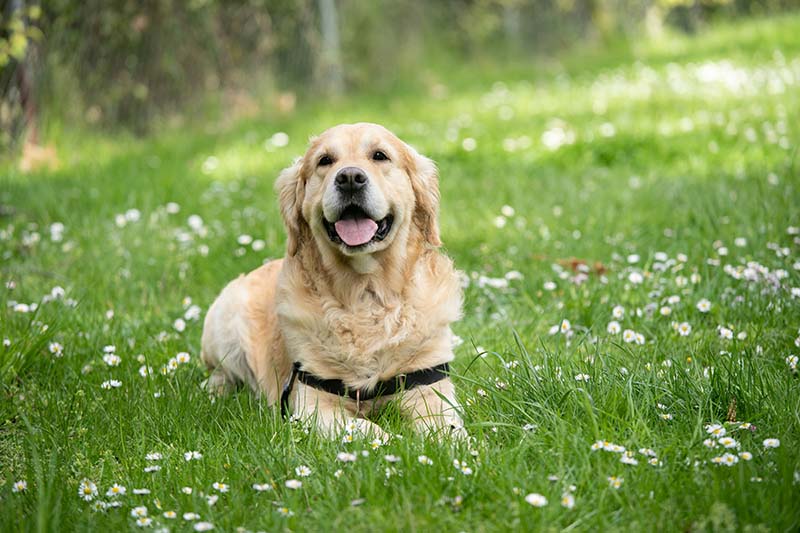
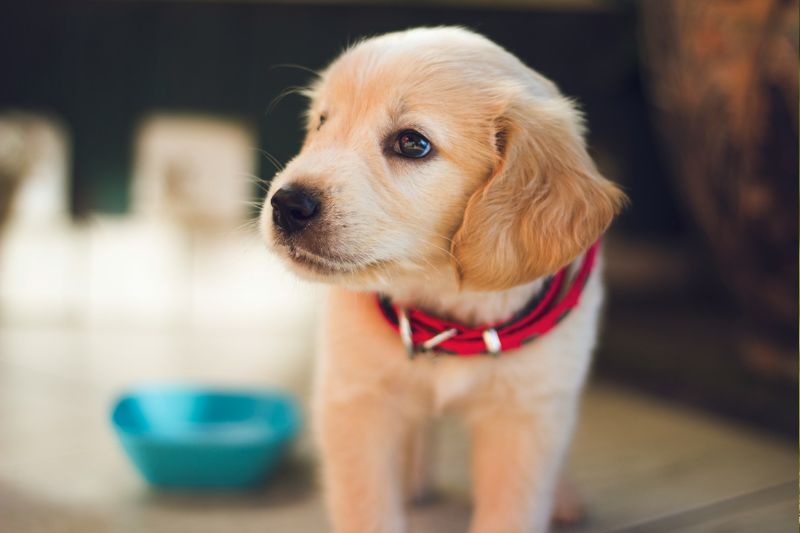
Bringing home a Golden Retriever puppy is one of life’s most exciting experiences. These intelligent, affectionate, and energetic dogs quickly become beloved family members, but they also require consistent care during their first year of life. Proper Golden Retriever puppy care lays the foundation for a healthy, well-behaved adult dog.
Many first-time owners unintentionally make mistakes such as overfeeding, exercising puppies too much, skipping socialization, or delaying training. While these errors may seem harmless, they can lead to health problems, behavioral issues, and unnecessary stress later on.
This comprehensive guide covers everything you need to know—from preparing your home and choosing the right food to potty training, grooming, exercise, vaccinations, and socialization. Whether you’re picking up your puppy next week or already have one sleeping at your feet, this guide will help you raise a confident, healthy, and happy Golden Retriever.
Quick Answer
Golden Retriever puppy care involves providing high-quality puppy food, regular veterinary care, positive reinforcement training, daily socialization, appropriate exercise, grooming, and plenty of love. Following a consistent routine during the first year helps your puppy develop into a healthy, well-mannered companion.
Why Golden Retriever Puppy Care Matters
Golden Retrievers grow rapidly during their first 12 months. During this period, their bones, joints, muscles, immune system, and brain are developing at an incredible pace.
Proper care helps:
- Build strong bones and healthy joints
- Prevent obesity during growth
- Reduce anxiety and unwanted behaviors
- Encourage positive social skills
- Create lifelong healthy habits
- Strengthen the bond between you and your puppy
Since Golden Retrievers are prone to joint problems such as hip and elbow dysplasia, proper nutrition and controlled exercise during puppyhood are especially important.
Step-by-Step Golden Retriever Puppy Care Guide
Step 1: Prepare Your Home Before Bringing Your Puppy Home
Your puppy sees the world as one giant toy. Puppy-proofing your home keeps them safe while preventing damage to your belongings.
Remove or secure:
- Electrical cords
- Cleaning chemicals
- Toxic plants
- Small objects
- Children’s toys
- Shoes
- Loose cables
Create a dedicated puppy area with:
- Comfortable crate
- Soft bed
- Water bowl
- Food bowl
- Puppy-safe chew toys
- Puppy pads (if needed)
A crate should never be used as punishment. Instead, it should become your puppy’s safe and comfortable space.
Step 2: Feed a High-Quality Puppy Diet
Nutrition is one of the biggest factors affecting your puppy’s lifelong health.
Choose a large-breed puppy food that meets the nutritional standards established by the Association of American Feed Control Officials (AAFCO). Large-breed formulas help support controlled growth and reduce the risk of orthopedic issues.
Recommended feeding schedule:
8–12 Weeks
- 4 meals per day
3–6 Months
- 3 meals per day
6–12 Months
- 2 meals per day
Always provide fresh water.
Avoid feeding:
- Chocolate
- Grapes
- Raisins
- Onions
- Garlic
- Cooked bones
- Xylitol
- Alcohol
- Excess fatty foods
Your veterinarian can help determine the ideal daily calorie intake based on your puppy’s age and activity level.
Step 3: Begin Training Immediately
Golden Retrievers are among the easiest dog breeds to train because they love learning and enjoy pleasing their owners.
Start training on day one.
Teach basic commands:
- Sit
- Stay
- Come
- Down
- Leave It
- Drop It
- Wait
Keep sessions:
- 5–10 minutes
- Positive
- Fun
- Reward-based
Reward good behavior with:
- Healthy treats
- Toys
- Praise
- Playtime
Avoid punishment or yelling, as these methods can damage trust and slow learning.
Step 4: Socialize Your Puppy
Socialization should begin early and continue throughout puppyhood.
Expose your puppy to:
- Different people
- Children
- Friendly vaccinated dogs
- Various sounds
- Cars
- Bicycles
- Parks
- Groomers
- Veterinary clinics
Positive experiences help reduce fear and anxiety later in life.
Aim to introduce your puppy to many different environments before 16 weeks of age while following your veterinarian’s vaccination recommendations.
Step 5: Follow a Daily Exercise Routine
Golden Retriever puppies have plenty of energy but should not be over-exercised while their joints are still developing.
Good activities include:
- Short walks
- Gentle games of fetch
- Tug toys
- Puzzle toys
- Basic obedience training
- Sniffing games
A common guideline is around five minutes of structured exercise per month of age, up to twice daily. Balance activity with plenty of rest, as puppies need significant sleep for healthy growth.
Avoid:
- Long-distance running
- Repeated stair climbing
- High jumps
- Intense agility exercises
Step 6: Establish a Grooming Routine
Golden Retriever puppies develop thicker coats as they mature.
Weekly brushing helps:
- Remove loose fur
- Prevent mats
- Reduce shedding
- Keep skin healthy
Brush:
- 2–3 times each week
- Daily during seasonal shedding
Bathing:
Only bathe every 6–8 weeks or when necessary using a dog-specific shampoo.
Don’t forget:
- Nail trimming every 3–4 weeks
- Weekly ear checks
- Teeth brushing several times per week
- Eye cleaning when necessary
Introducing grooming early makes future sessions much easier.
Step 7: Stay Up to Date with Veterinary Care
Routine veterinary visits are essential during your puppy’s first year.
Your veterinarian will monitor:
- Weight
- Growth
- Vaccinations
- Parasite prevention
- Dental development
- Overall health
Typical puppy care includes:
- Vaccinations
- Deworming
- Flea and tick prevention
- Heartworm prevention (where recommended)
- Microchipping
- Spaying or neutering discussions
For current vaccination recommendations, refer to the American Animal Hospital Association (AAHA) vaccination guidelines.
Step 8: Build a Consistent Daily Routine
Dogs thrive on consistency.
A daily routine may include:
Morning
- Potty break
- Breakfast
- Short walk
- Training session
Afternoon
- Playtime
- Nap
- Potty break
Evening
- Dinner
- Walk
- Family time
- Grooming
- Final potty break
Predictable routines reduce anxiety and speed up house training.
Common Mistakes
Mistake 1: Overfeeding
Golden Retrievers love food.
Too many treats or oversized meals can lead to obesity and joint problems.
Measure every meal instead of estimating portions.
Mistake 2: Skipping Early Socialization
Waiting until your puppy is older often leads to fearfulness around unfamiliar people, dogs, and environments.
Controlled, positive socialization during puppyhood is much easier than correcting behavioral problems later.
Mistake 3: Exercising Too Much
Many owners assume puppies need hours of running.
Excessive exercise may place unnecessary stress on growing joints.
Choose age-appropriate activities instead.
Expert Tips
Experienced trainers and veterinarians recommend the following:
- Start crate training on the first day.
- Keep training sessions short and enjoyable.
- Rotate toys to maintain interest.
- Reward calm behavior, not just excitement.
- Handle paws, ears, and mouth daily to prepare for grooming and veterinary visits.
- Schedule regular weigh-ins to monitor healthy growth.
- Introduce new experiences gradually using treats and praise.
- Teach your puppy to relax as well as to play.
Mental stimulation is just as important as physical exercise. Food puzzles, scent games, and short obedience sessions can tire a puppy without overworking developing joints.
Recommended Products
If you’re preparing for a new puppy, these essentials can make daily care easier and safer.
Large-Breed Puppy Food
Choose a premium formula designed specifically for large-breed puppies to support healthy growth and joint development.
Stainless Steel Food and Water Bowls
Durable, hygienic, and easy to clean compared with plastic bowls.
Puppy Crate
A correctly sized crate supports house training and gives your puppy a secure place to rest.
Adjustable Harness and Leash
A well-fitted harness helps reduce pressure on your puppy’s neck while walking.
Puppy Shampoo
Use a gentle shampoo formulated for puppies with sensitive skin.
Slicker Brush
Regular brushing removes loose fur and helps your puppy become comfortable with grooming.
Nail Clippers or Grinder
Routine nail care prevents discomfort and supports healthy posture.
Interactive Puzzle Toys
Mental enrichment toys help prevent boredom and encourage problem-solving skills.
Frequently Asked Questions
1. How often should I feed a Golden Retriever puppy?
Feed four meals daily until around 12 weeks, three meals until about six months, and then transition to two meals per day, following your veterinarian’s guidance.
2. How much exercise does a Golden Retriever puppy need?
Short walks, supervised play, and gentle training sessions are ideal. Avoid intense exercise while your puppy is still growing.
3. When should I start training?
Begin training as soon as your puppy arrives home. Early positive reinforcement builds good habits from the start.
4. Are Golden Retriever puppies easy to train?
Yes. Golden Retrievers are highly intelligent, eager to please, and respond exceptionally well to reward-based training.
5. How often should I bathe my puppy?
Most puppies only need a bath every six to eight weeks unless they become particularly dirty.
6. When do Golden Retriever puppies stop growing?
Most reach their full height between 12 and 18 months, but they may continue filling out until around two years of age.
7. Do Golden Retriever puppies shed?
Yes. Even puppies shed lightly, and shedding increases as the adult coat develops.
8. What is the best food for a Golden Retriever puppy?
Choose a complete, balanced large-breed puppy food that meets AAFCO nutritional standards and is appropriate for your puppy’s age and size.
9. How long can a puppy stay alone?
Young puppies should not be left alone for extended periods. Gradually increase alone time as they mature and become comfortable in their crate.
10. When should I switch to adult dog food?
Most Golden Retrievers transition to adult food between 12 and 18 months, depending on their growth and your veterinarian’s advice.
Final Thoughts
Raising a Golden Retriever puppy is a rewarding journey that requires patience, consistency, and commitment. By focusing on proper nutrition, early training, socialization, regular grooming, and preventive veterinary care, you’ll give your puppy the best possible start in life.
Remember that every puppy develops at its own pace. Celebrate small milestones, stay consistent with routines, and use positive reinforcement to build trust and confidence. The effort you invest during the first year will pay off with a loyal, healthy, and well-mannered companion for years to come.
For additional trusted guidance on puppy nutrition and care, consult the American Kennel Club (AKC) puppy resources, the American Animal Hospital Association (AAHA) vaccination guidelines, and the Association of American Feed Control Officials (AAFCO) pet food information.