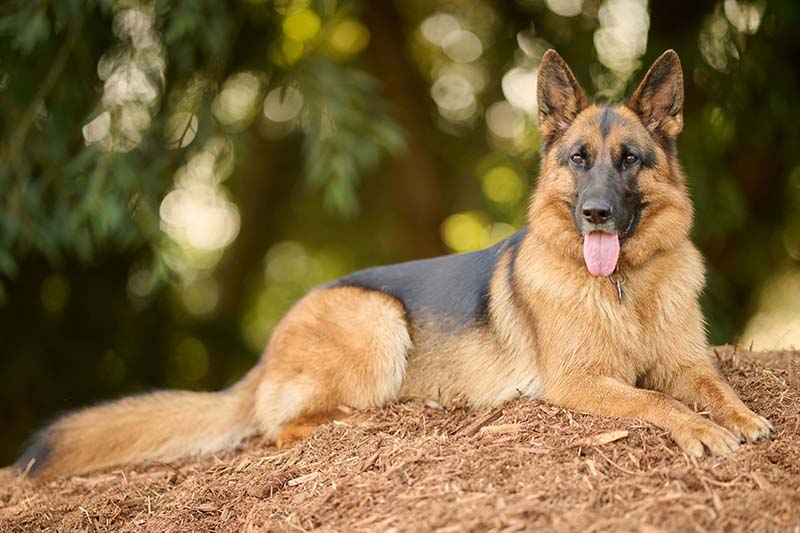

Welcoming a German Shepherd puppy into your home is an exciting experience. These intelligent, loyal, and energetic dogs quickly become beloved family members. However, German Shepherd puppies also require consistent training, proper nutrition, socialization, and regular veterinary care to grow into confident and healthy adult dogs.
Many first-time owners underestimate how much attention this German Shepherd breed needs during the first year. Without proper guidance, puppies can develop behavioral problems, poor social skills, or even long-term health issues. The good news is that most of these problems are preventable with the right care.
This comprehensive German Shepherd puppy care guide covers everything you need to know—from preparing your home and choosing the right food to training, grooming, exercise, and healthcare. You’ll also learn common mistakes to avoid, expert tips from experienced trainers, recommended products, and answers to frequently asked questions.
Whether you’re bringing home your first German Shepherd puppy or simply want to improve your care routine, this guide will help you raise a well-behaved, confident, and healthy companion.
Related Guides
Quick Answer
German Shepherd puppy care involves providing high-quality nutrition, early socialization, positive reinforcement training, regular veterinary care, proper exercise, grooming, and a safe home environment. Consistency during the first year is the key to raising a healthy, obedient, and confident adult German Shepherd.
Why German Shepherd Puppy Care Matters
German Shepherds are among the world’s smartest dog breeds. Their intelligence makes them highly trainable, but it also means they need mental stimulation and structured routines from an early age.
Without proper puppy care, German Shepherds may develop:
- Separation anxiety
- Excessive barking
- Destructive chewing
- Fearfulness around strangers
- Aggression due to poor socialization
- Joint problems from improper exercise
- Obesity from overfeeding
The first 12 months are the most important period in your puppy’s development. Investing time in training and proper care now will reward you with a loyal companion for the next 10–13 years.
Step-by-Step German Shepherd Puppy Care Guide
Step 1: Prepare Your Home Before Bringing Your Puppy Home
Your puppy will naturally explore everything using its mouth.
Puppy-proof your home by:
- Removing electrical cords
- Locking away cleaning products
- Storing medications safely
- Removing toxic plants
- Blocking unsafe staircases
- Keeping shoes and valuables out of reach
Prepare essential supplies including:
- Crate
- Comfortable bed
- Food and water bowls
- Collar and leash
- Puppy food
- Interactive toys
- Chew toys
- Grooming brush
- Nail clippers
Creating a safe environment reduces stress for both you and your puppy.
Step 2: Feed a High-Quality Puppy Diet
German Shepherds are a large breed that grows rapidly during the first year.
Choose food specifically formulated for large-breed puppies, as these diets provide balanced calcium and phosphorus levels to support healthy bone development.
Look for:
- Real meat as the first ingredient
- DHA for brain development
- Balanced calcium
- Omega-3 fatty acids
- High-quality protein
Feed according to age:
8–12 Weeks
4 meals per day
3–6 Months
3 meals daily
6–12 Months
2 meals daily
Avoid:
- Chocolate
- Grapes
- Onions
- Garlic
- Xylitol
- Cooked bones
For guidance on choosing complete and balanced pet foods, refer to the Association of American Feed Control Officials (AAFCO) feeding standards and nutritional recommendations.
Step 3: Begin Training Immediately
German Shepherd puppies learn incredibly fast.
Training should begin on the first day—not after several months.
Start with:
- Name recognition
- Sit
- Stay
- Come
- Leave it
- Down
- Crate training
- Potty training
Always use positive reinforcement:
- Praise
- Treats
- Toys
- Playtime
Avoid punishment or harsh corrections, which can damage trust.
Keep sessions short:
- 5–10 minutes
- Multiple sessions daily
Consistency is more important than long training sessions.
Step 4: Prioritize Early Socialization
The critical socialization window occurs before about 16 weeks of age.
Safely expose your puppy to:
- Different people
- Children
- Friendly vaccinated dogs
- Various sounds
- Different flooring
- Cars
- Parks
- Veterinary clinics
Positive experiences build confidence and reduce future anxiety.
Step 5: Follow a Vaccination Schedule
Regular veterinary care is essential.
Most puppies receive vaccinations at:
- 6–8 weeks
- 10–12 weeks
- 14–16 weeks
Your veterinarian may recommend vaccines against:
- Distemper
- Parvovirus
- Adenovirus
- Rabies
- Leptospirosis
- Bordetella
Routine deworming and parasite prevention are equally important.
Follow your veterinarian’s schedule rather than skipping appointments.
Step 6: Exercise Without Overdoing It
German Shepherd puppies have plenty of energy, but too much exercise can damage developing joints.
A simple guideline:
Approximately 5 minutes of structured exercise per month of age, up to twice daily.
Examples:
- 3 months = 15 minutes
- 4 months = 20 minutes
- 6 months = 30 minutes
Great activities include:
- Gentle walks
- Fetch
- Basic obedience
- Puzzle toys
- Sniffing games
Avoid:
- Long-distance running
- Repetitive jumping
- Stair climbing
- Intense agility
Step 7: Groom Your Puppy Regularly
German Shepherds have a thick double coat.
Weekly brushing helps:
- Remove loose fur
- Prevent mats
- Reduce shedding
- Keep skin healthy
Increase brushing during seasonal shedding.
Other grooming includes:
- Nail trimming every 3–4 weeks
- Ear cleaning as needed
- Dental brushing several times each week
- Bathing every 6–8 weeks or when dirty
Proper grooming also helps you spot skin issues early.
Step 8: Provide Mental Stimulation
German Shepherds become bored easily.
Mental exercise can be just as tiring as physical activity.
Ideas include:
- Puzzle feeders
- Hide-and-seek
- Scent games
- Basic trick training
- Food-dispensing toys
- Obedience games
A mentally stimulated puppy is far less likely to become destructive.
Step 9: Teach Good Household Manners
Start teaching everyday manners early.
Work on:
- Not jumping on guests
- Waiting at doors
- Walking politely on leash
- Calm greetings
- Not chewing furniture
- Respecting boundaries
Early habits become lifelong behaviors.
Step 10: Monitor Growth and Health
Large-breed puppies grow rapidly.
Watch for:
- Limping
- Excessive scratching
- Ear infections
- Diarrhea
- Vomiting
- Weight changes
- Lethargy
Early veterinary attention often prevents more serious health problems.
The American Kennel Club (AKC) also provides excellent breed-specific care information for German Shepherd owners.
Common Mistakes
1. Delaying Training
Waiting until your puppy is older makes unwanted habits harder to correct.
2. Skipping Socialization
Poor socialization often leads to fearful or reactive adult dogs.
3. Too Much Exercise
Excessive running can damage developing joints.
4. Using Harsh Punishment
Positive reinforcement builds trust and confidence.
5. Overfeeding
Rapid weight gain increases stress on growing bones and joints.
6. Inconsistent Rules
Everyone in the family should enforce the same rules.
7. Ignoring Dental Care
Dental disease begins earlier than many owners realize.
8. Leaving Puppies Alone Too Long
Young puppies need companionship and frequent potty breaks.
Expert Tips
Experienced trainers recommend:
- Train every day, even if only for five minutes.
- Reward desired behaviors immediately.
- Rotate toys to prevent boredom.
- Use meals as training rewards.
- Practice commands in different environments.
- Introduce grooming while your puppy is young.
- Schedule regular veterinary checkups.
- Keep your puppy lean rather than overweight.
- End every training session on a positive note.
- Be patient—consistency produces long-term results.
For additional advice on selecting appropriate diets, the World Small Animal Veterinary Association (WSAVA) publishes useful recommendations on choosing pet foods.
Recommended Products
Best Puppy Food for German Shepherds
- Royal Canin German Shepherd Puppy
- Purina Pro Plan Large Breed Puppy
- Hill’s Science Diet Large Breed Puppy
- Blue Buffalo Life Protection Large Breed Puppy
Training Essentials
- Treat pouch
- Clicker
- Long training leash
- Adjustable collar
- Front-clip harness
Grooming Supplies
- Slicker brush
- Undercoat rake
- Puppy shampoo
- Nail grinder
- Dog toothbrush and toothpaste
Interactive Toys
- Kong Classic
- Snuffle mat
- Puzzle feeders
- Durable chew toys
Sleeping & Safety
- Wire crate with divider
- Orthopedic puppy bed
- Baby gates
- Seat belt harness for travel
Frequently Asked Questions
1. When should I start training my German Shepherd puppy?
Training should begin as soon as your puppy arrives home, usually around eight weeks of age.
2. How much should a German Shepherd puppy eat?
The amount depends on age, weight, and the food you choose. Follow your veterinarian’s advice and the feeding guide on your puppy food.
3. How much exercise does a German Shepherd puppy need?
Provide age-appropriate exercise without overworking developing joints. Short play sessions and walks are ideal.
4. When can my puppy go outside?
After receiving the necessary vaccinations and your veterinarian confirms it is safe.
5. How often should I groom my puppy?
Brush at least once a week, increasing frequency during seasonal shedding.
6. Are German Shepherd puppies easy to train?
Yes. They are among the most intelligent and trainable breeds when trained consistently using positive reinforcement.
7. How long should crate training take?
Most puppies adjust within a few weeks if the crate is introduced positively and never used as punishment.
8. When do German Shepherds stop growing?
Most reach their full height around 12–18 months, while they continue filling out until about two years of age.
9. How can I stop my puppy from biting?
Provide appropriate chew toys, redirect biting, and teach bite inhibition through consistent positive training.
10. Is a German Shepherd a good family dog?
Yes. Well-trained and properly socialized German Shepherds are loyal, protective, affectionate, and excellent family companions.
Final Thoughts
Raising a German Shepherd puppy is a rewarding journey that requires patience, consistency, and dedication. By focusing on proper nutrition, early socialization, positive training, regular grooming, appropriate exercise, and routine veterinary care, you’ll build the foundation for a healthy and well-mannered adult dog.
Remember that every puppy develops at its own pace. Celebrate small milestones, stay consistent with your routines, and avoid rushing the process. The effort you invest during your puppy’s first year will pay off with a confident, loyal companion for years to come.
If you’re preparing for life with a German Shepherd, bookmark this guide and revisit it as your puppy grows. Small daily habits make a big difference in raising a happy, healthy dog.