
Disclosure: As an Amazon Associate, I earn from qualifying purchases. This comes at no additional cost to you and helps support this website.
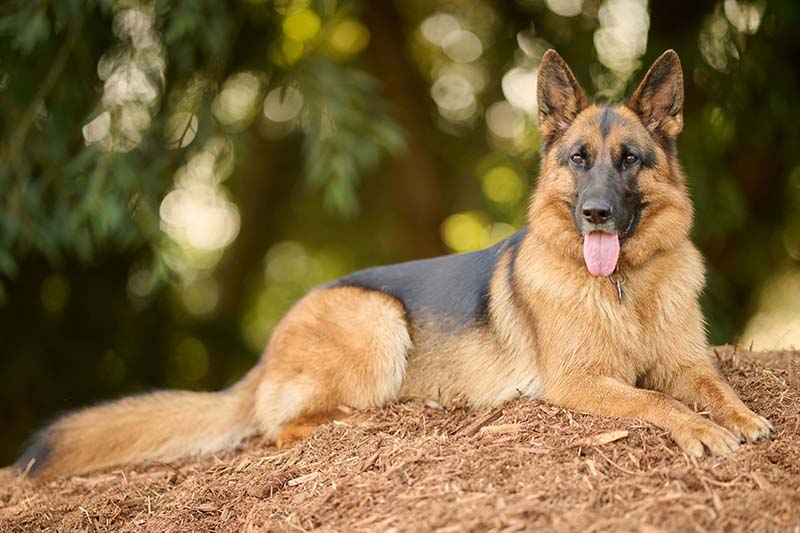
German Shepherd training is one of the most rewarding experiences for any dog owner. Known for their intelligence, loyalty, and eagerness to work, German Shepherds consistently rank among the easiest breeds to train. However, their intelligence also means they require consistent guidance, mental stimulation, and structured leadership.
Without proper training, a German Shepherd can develop unwanted behaviors such as excessive barking, chewing, jumping on guests, pulling on the leash, or becoming overly protective. Fortunately, with the right approach, these behaviors can be prevented or corrected.
Whether you’ve recently welcomed an energetic puppy or adopted an adult German Shepherd, this comprehensive guide will walk you through every stage of German Shepherd training. You’ll learn proven techniques, common mistakes to avoid, and the essential tools that make training easier.
If you’re new to the breed, we recommend reading our German Shepherd Breed Guide first. If you’re raising a young puppy, don’t miss our German Shepherd Puppy Care guide for feeding, health, and socialization tips.
Why German Shepherd Training Matters
Training is much more than teaching your dog to sit or stay. It creates a strong relationship built on trust, communication, and mutual respect.
A properly trained German Shepherd is:
- Well-mannered around family and visitors
- Safe around children and other pets
- Easier to manage in public places
- Less likely to develop behavioral problems
- More confident in unfamiliar situations
- Happier because they understand expectations
German Shepherds were originally bred as working dogs. Their minds crave learning and problem-solving. Daily training satisfies this natural instinct and prevents boredom.
According to the American Kennel Club (AKC), positive reinforcement is one of the most effective and humane training methods for dogs.
The American Veterinary Society of Animal Behavior (AVSAB) also recommends reward-based training rather than punishment.
When Should You Start German Shepherd Training?
The best time to begin German Shepherd training is around 8 weeks of age.
Don’t wait until your puppy is six months old.
Young puppies learn rapidly during their first few months. Early training helps establish lifelong habits.
However, remember the famous saying:
“You can’t teach an old dog new tricks” is simply a myth.
Adult German Shepherds can learn new behaviors with patience and consistency.
Step-by-Step German Shepherd Training
Step 1: Build Trust and Leadership
Every successful training program starts with trust.
Your German Shepherd should see you as a calm, confident leader—not someone to fear.
You can build trust by:
- Feeding on a schedule
- Using calm communication
- Being consistent with rules
- Rewarding good behavior
- Spending quality time together
Avoid yelling or physical punishment.
Dogs learn faster when they feel safe.
Step 2: Teach Basic Obedience Commands
Basic obedience creates the foundation for advanced training.
Start with short sessions of 5–10 minutes.
Teach one command at a time.
Sit
Hold a treat above your dog’s nose.
Move it slowly backward.
As their head follows the treat, their bottom naturally touches the ground.
Say:
“Sit.”
Immediately reward.
Stay
Ask your dog to sit.
Hold your hand forward.
Say:
“Stay.”
Take one small step backward.
Return and reward.
Increase distance gradually.
Come
Use a cheerful voice.
Call your dog:
“Come!”
Reward immediately when they reach you.
Never punish your dog after they come to you.
Down
Guide a treat toward the floor.
Move it slowly away.
When your dog lies down:
Reward immediately.
Leave It
Place a treat on the floor.
Cover it with your hand.
When your dog stops trying to grab it:
Reward with a different treat.
This command can prevent dangerous situations.
Step 3: Socialize Your German Shepherd
Socialization is just as important as obedience.
Expose your puppy to:
- Different people
- Children
- Other vaccinated dogs
- Cars
- Bicycles
- Loud sounds
- Different surfaces
- Parks
- Grooming
Positive experiences build confidence.
Poor socialization often causes fear-based aggression later in life.
Step 4: Leash Training
Many German Shepherds naturally pull on the leash.
Teach loose-leash walking early.
How
Start indoors.
Reward your dog whenever they walk beside you.
If they pull:
Stop walking immediately.
Wait until the leash becomes loose.
Continue walking.
Your dog quickly learns that pulling doesn’t move them forward.
Step 5: Potty Training
Create a schedule.
Take your puppy outside:
- After waking up
- After eating
- After playing
- Before bedtime
Always use the same potty location.
Reward immediately after successful elimination.
Never punish accidents.
Simply clean thoroughly and continue training.
Step 6: Crate Training
Crate training provides a safe space.
Choose a crate large enough for your dog to:
- Stand
- Turn around
- Lie comfortably
Never use the crate for punishment.
Feed meals inside the crate.
Offer toys during crate time.
Gradually increase duration.
For more puppy advice, read our German Shepherd Puppy Care guide.
Step 7: Stop Jumping on People
Ignore jumping.
Only give attention when all four paws remain on the ground.
Reward calm greetings.
Ask visitors to follow the same rule.
Consistency is essential.
Step 8: Reduce Excessive Barking
German Shepherds naturally alert their owners.
Teach the “Quiet” command.
Allow one or two barks.
Say:
“Quiet.”
Wait for silence.
Reward immediately.
Avoid shouting.
Dogs often think you’re joining the barking.
Step 9: Mental Stimulation
German Shepherds become destructive when bored.
Provide:
- Puzzle toys
- Obedience games
- Hide-and-seek
- Scent work
- Fetch
- Agility
- Trick training
A mentally tired dog is usually a well-behaved dog.
Step 10: Advanced Training
Once basic obedience becomes reliable, move to advanced skills.
Examples include:
- Heel
- Place
- Recall under distractions
- Fetch specific objects
- Agility
- Tracking
- Protection training (professional supervision only)
Working dogs thrive when challenged.
Training Schedule by Age
8–12 Weeks
- Name recognition
- Sit
- Come
- Potty training
- Socialization
- Crate training
3–6 Months
- Stay
- Down
- Loose leash walking
- Bite inhibition
- Basic manners
6–12 Months
- Advanced obedience
- Longer stays
- Recall around distractions
- Public training
- Confidence building
Adult German Shepherd
Continue:
- Daily obedience practice
- Exercise
- Brain games
- Socialization
- Advanced skills
Training never truly ends.
Positive Reinforcement: The Best Training Method
Modern dog trainers recommend positive reinforcement because it encourages desired behaviors without creating fear or anxiety.
Reward your German Shepherd with:
- Healthy treats
- Praise
- Toys
- Playtime
- Affection
Keep rewards immediate so your dog understands what behavior earned them.
Mistakes to Avoid
Many owners accidentally slow their dog’s progress by making avoidable mistakes.
1. Being Inconsistent
If jumping is allowed today but discouraged tomorrow, your dog becomes confused.
2. Long Training Sessions
Keep sessions short.
Five to fifteen minutes works best.
3. Using Punishment
Fear damages trust.
Reward good behavior instead.
4. Skipping Socialization
Poorly socialized dogs often become fearful.
5. Expecting Too Much Too Soon
Learning takes time.
Celebrate small improvements.
6. Lack of Exercise
German Shepherds have high energy.
Exercise before training often improves focus.
7. Ignoring Mental Stimulation
A bored German Shepherd invents their own entertainment—which usually means chewing furniture.
Recommended Training Tools
Below are some essential tools that make German Shepherd training easier and more effective.
High-Value Training Treats
Use small, soft treats your dog can eat quickly.
Product Suggestion: Zuke’s Mini Naturals, Blue Buffalo Bits, Wellness Soft Puppy Bites
Why Buy
- Low calorie
- Highly motivating
- Easy to carry
- Great for obedience training
Dog Training Clicker
Clicker training helps mark desired behaviors precisely.
Product Suggestion: Karen Pryor Clicker or HoAoOo Pet Training Clicker
Benefits
- Easy for beginners
- Improves communication
- Speeds up learning
Adjustable Training Leash
Choose a durable 6-foot training leash.
Product Suggestion: PetSafe Nylon Training Leash or BAAPET Heavy Duty Leash
Ideal for:
- Loose leash walking
- Recall practice
- Public training
Durable Chew Toys
German Shepherd puppies love chewing.
Offer safe alternatives.
Product Suggestion
These toys reduce destructive chewing while providing mental stimulation.
Dog Crate
A quality crate supports house training and creates a safe resting area.
Product Suggestion
Choose the correct size for your dog’s age and weight.
Puzzle Toys
Puzzle feeders keep intelligent dogs mentally engaged.
Popular choices include:
Nutrition Supports Training
A healthy dog learns faster.
Feed a balanced diet with high-quality protein and appropriate calories.
Read our complete Best Foods for German Shepherd guide to choose the right food for your dog’s age and activity level.
Frequently Asked Questions
1. At what age should German Shepherd training start?
Training can begin at 8 weeks old with simple commands and socialization.
2. Are German Shepherds easy to train?
Yes. They are among the most intelligent and trainable dog breeds.
3. How long should training sessions be?
Aim for 5–15 minutes per session, two or three times each day.
4. How much exercise does a German Shepherd need?
Most adult German Shepherds require 1–2 hours of physical activity daily, along with mental stimulation.
5. Should I use punishment during training?
No. Positive reinforcement produces better long-term results and strengthens your relationship with your dog.
6. Can older German Shepherds still learn?
Absolutely. Adult dogs can successfully learn new commands with consistency and patience.
7. Why does my German Shepherd keep barking?
Common reasons include boredom, lack of exercise, territorial instincts, or insufficient mental stimulation.
8. Is crate training necessary?
While not mandatory, crate training is highly recommended for house training, travel, and providing your dog with a secure space.
9. How often should I reward my dog?
Reward every successful repetition when teaching a new command. As your dog becomes reliable, gradually switch to intermittent rewards while continuing verbal praise.
10. What is the hardest stage of German Shepherd training?
Adolescence (around 6–18 months) is often the most challenging because dogs become more independent and energetic. Consistency and regular practice are key during this phase.
Final Thoughts
German Shepherd training is an ongoing journey rather than a one-time task. By combining positive reinforcement, consistent routines, early socialization, regular exercise, and mental enrichment, you can raise a well-behaved, confident, and loyal companion.
Remember that every dog learns at a different pace. Be patient, celebrate progress, and keep training sessions enjoyable. The time you invest today will pay off with years of trust, obedience, and companionship.
To continue learning about this incredible breed, explore our related resources:
- German Shepherd Breed Guide
- German Shepherd Puppy Care
- Best Foods for German Shepherd
- German Shepherd Grooming Guide
- German Shepherd Health Problems
- German Shepherd Exercise Guide
With the right training approach and consistent practice, your German Shepherd can become an exceptional family companion, working partner, or adventure buddy for years to come.